 PlantLegit
Native plants for Southeast Virginia & Hampton Roads: what to plant where
Sources (8)
- Native Plants for Southeast Virginia, including Hampton Roads (Virginia Coastal Zone Management Program / Plant Virginia Natives, 2nd ed. 2025)
- Plant Virginia Natives: Plant Southeast Virginia Natives (guide download, area covered, local native plant sources)
- Virginia Native Plant Society, South Hampton Roads Chapter
- Virginia DCR Natural Heritage: Native Plant Finder
- Virginia DCR Natural Heritage: Virginia Invasive Plant Species List
- Virginia Cooperative Extension: Find your local office
- USDA NRCS Web Soil Survey
- USDA ARS Plant Hardiness Zone Map (2023)
By Jacob Knapp, Virginia-licensed home inspector, Virginia Beach. Sources checked November 11, 2026. General guidance, not engineering or legal advice.
I live and inspect houses in Virginia Beach. Yards here can be sandy and dry, soggy clay, deep shade under pines and oaks, or salty near the water, sometimes all on one lot. The good news is that the regional guide already sorts native plants by those spots. Here's the short version, so you can plant the right thing in the right place.
What area this covers
The guide covers the Southern Coastal Plain (south of the James River, east to the coast and west to the Fall Line), part of the Northern Coastal Plain, and part of the Outer Coastal Plain (SEVA guide). Plant Virginia Natives lists the cities of Chesapeake, Virginia Beach, Norfolk, Hampton, Poquoson, Newport News, Hopewell, Colonial Heights, Portsmouth, Petersburg, Emporia and Suffolk, and Prince George, Sussex, Surry, Southampton, Isle of Wight, James City, York, eastern Greensville and Gloucester counties (Plant Virginia Natives).
The guide puts the region in USDA hardiness zones 7b to 8a. It also notes that topsoil is often removed or compacted during building, and recommends a soil test every three years through your local Extension office (SEVA guide).
Native plants by spot
Hot, dry streetside and sunny front beds
The guide's streetside list is for dry, harsh, compacted spots near pavement: perennials like common yarrow, swamp rose mallow, spotted beebalm, garden phlox, three-lobed coneflower and common yucca; shrubs like beautyberry, sweet pepperbush, winterberry, Virginia sweetspire, wax myrtle and arrowwood; and trees like serviceberry, redbud, fringetree, sweetbay magnolia, willow oak and bald cypress (SEVA guide).
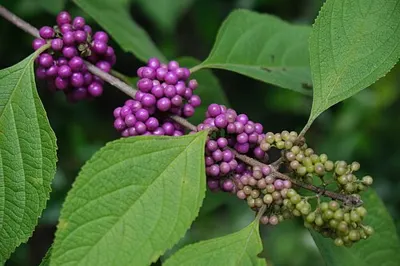
Photo: Alex Abair, CC BY 4.0, source

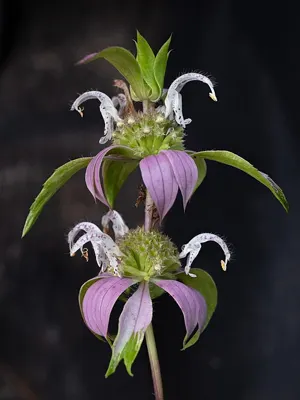
Photo: Alex Abair, CC BY 4.0, source

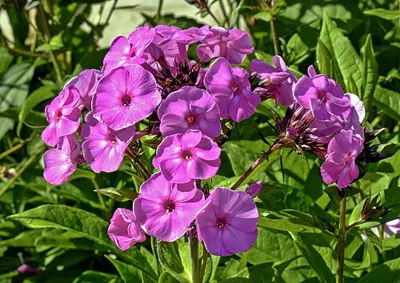
Photo: Didier Descouens, CC BY-SA 4.0, source

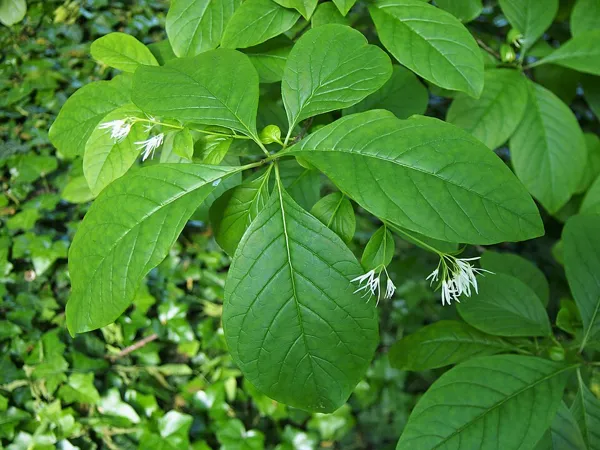
Photo: Agnieszka Kwiecień, Nova, CC BY-SA 4.0, source

Wet shade and slow-draining spots
For soil that's "periodically or frequently flooded or just slow to drain," the guide lists red chokeberry, buttonbush, sweet pepperbush, winterberry, yaupon holly and swamp azalea; red maple, sweetbay magnolia and black tupelo; and cardinal flower, blue mistflower and New York ironweed. Its advice: "It is easier to work with the conditions on your site than trying to adjust the site to fit the plant needs" (SEVA guide). More wet-ground picks: what to plant in wet clay in Hampton Roads.
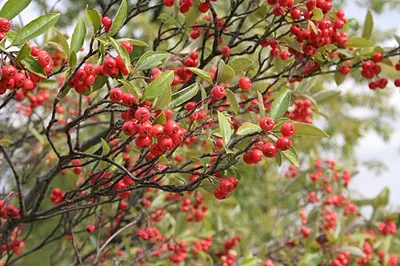
Photo: No machine-readable author provided. Abrahami assumed (based on copyright claims)., CC BY-SA 2.5, source

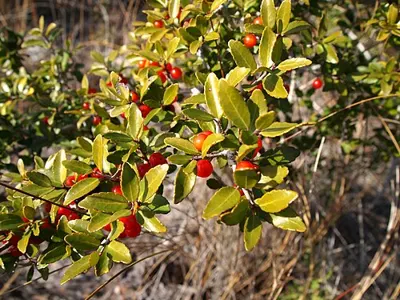
Photo: Luteus, CC BY 3.0, source

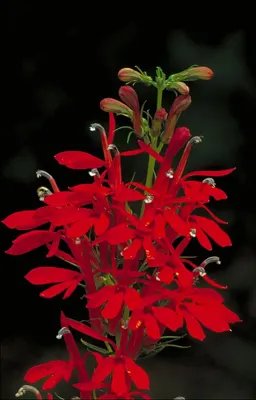
Photo: Barnes, Dr. Thomas G., Public domain, source

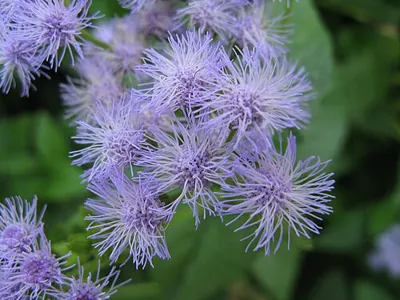
Photo: KENPEI, CC BY 3.0, source

Dry shade under pines and oaks
The guide says dry shade conditions "exist in much of Hampton Roads." Picks include wild columbine, wild ginger, green and gold, blue mistflower and Solomon's seal; Christmas fern; shrubs like sweet pepperbush, strawberry-bush, witch hazel and arrowwood; and small trees like serviceberry, pawpaw, American hornbeam, redbud and sweetbay magnolia. Adding compost and chopped-leaf or pine-needle mulch helps them through dry spells (SEVA guide).
Salty and sandy edges near the water
For shoreline yards, the guide's salty and sandy edges lists include butterfly weed, swamp rose mallow, seashore mallow, seaside goldenrod, prickly pear and yucca; American beachgrass, switchgrass and little bluestem; and shrubs like groundsel tree, inkberry and wax myrtle. The guide also says tidal wetlands "should never be mowed or sprayed with herbicide" (SEVA guide).
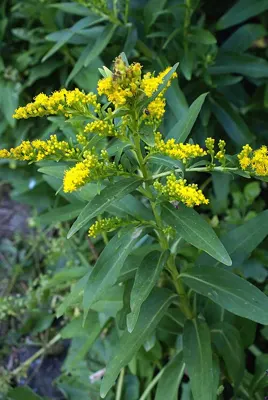
Photo: José Luís Ávila Silveira/Pedro Noronha e Costa, Public domain, source

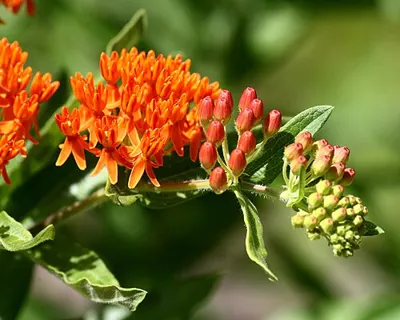
Photo: Ragesoss, CC BY-SA 3.0, source

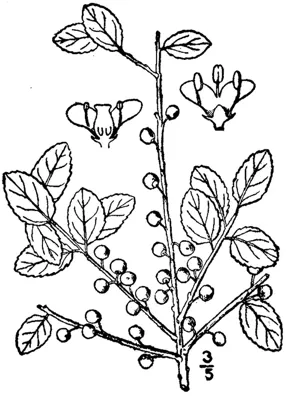
Photo: USDA-NRCS PLANTS Database / Britton, N.L., and A. Brown. 1913. An illustrated flora of the northern United States, Canada and the British Possessions. Vol. 2: 487., Public domain, source

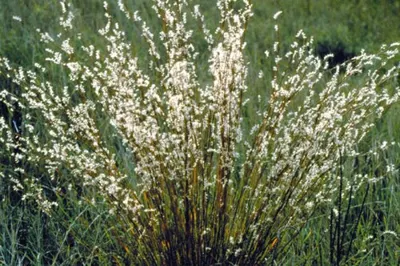
Photo: Unknown author, Public domain, source

Rain gardens
The guide has its own rain garden list, with low, middle and high planting zones. I broke it down with sizing and a planting plan here: rain garden plants for Virginia's Coastal Plain.
Patios, balconies and small spaces
For full-sun containers the guide suggests common yarrow, swamp milkweed, butterfly weed, New Jersey tea, common sneezeweed, garden phlox, narrow-leaved mountain mint and dwarf azalea. It even notes sweetspire "makes a great container plant" (SEVA guide).
Swap the invasives the guide flags
The guide's "Invasives of Particular Concern in Southeast Virginia" page names plants on the Virginia Invasive Plant Species List and gives native alternatives. A few common ones:
| Instead of | Try (guide's native alternatives) | Our page |
|---|---|---|
| English ivy | Wild ginger, cross-vine, galax, yellow jessamine, partridge-berry, Virginia creeper, golden ragwort | English ivy in Virginia |
| Bradford / Callery pear | Serviceberries, pawpaw, hawthorns, redbud, dogwood, persimmon | Bradford pear |
| Chinese privet | Red chokeberry, inkberry, northern spicebush, wax myrtle, black haw | Chinese privet in Virginia |
| Japanese honeysuckle | Cross-vine, trumpet creeper, yellow jessamine, coral honeysuckle, Virginia creeper, maypop | Japanese honeysuckle in Virginia |
| Miscanthus (Chinese silvergrass) | Switchgrass | Miscanthus in Virginia |
| Mimosa (silk tree) | Serviceberry, redbud, white fringetree, silky dogwood, northern spicebush, river birch | Mimosa in Virginia |
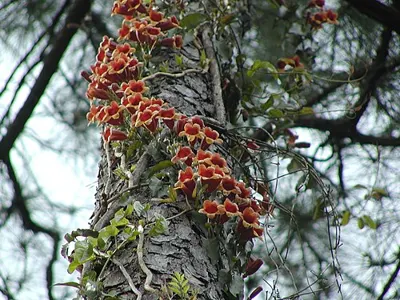
Photo: Susan Adams from Dallas-ish, TX, USA, CC BY-SA 2.0, source

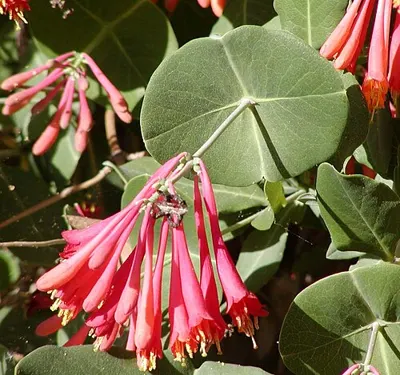
Photo: Stan Shebs, CC BY-SA 3.0, source

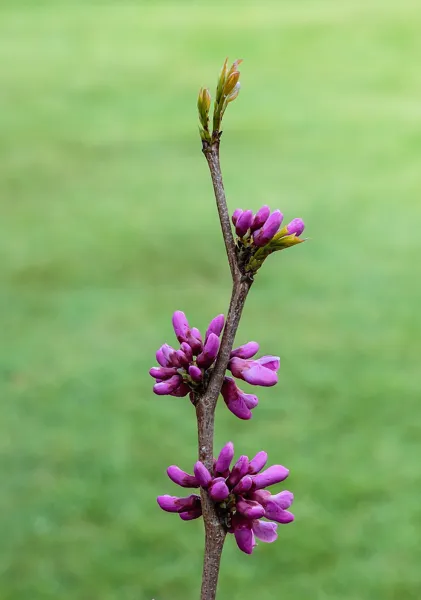
Photo: Agnes Monkelbaan, CC BY-SA 4.0, source

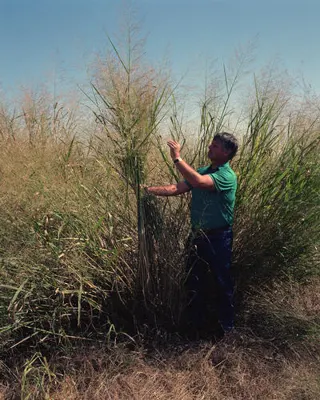
Photo: Warren Gretz, DOE/NREL, Public domain, source

Where to buy and where to see them
Plant Virginia Natives lists local native plant sources: Jack Frost Landscapes & Garden Center (Virginia Beach), Southern Branch Nursery (Chesapeake), Lady Fern's Native Plants (Norfolk), Wild Woods Farm Native Nursery, the Virginia Living Museum's spring and fall plant sales, and the John Clayton and South Hampton Roads chapters of the Virginia Native Plant Society (Plant Virginia Natives). The VNPS South Hampton Roads chapter held its fall 2026 sale on October 10 at the Hampton Roads AREC in Virginia Beach.
Want to see natives in the ground first? The guide lists places like the Norfolk Botanical Garden, the Hermitage Museum & Gardens, the Hampton Roads AREC demonstration gardens and the Brock Environmental Center in Virginia Beach, the Chesapeake Arboretum, and the Virginia Living Museum in Newport News (SEVA guide). The Virginia DCR Native Plant Finder filters by region, moisture and light if you want more choices.
Turn the list into a garden
The guide's own design tips: tall plants in the back or center, smaller ones in front, and at least 3–5 plants of each kind instead of one of everything (SEVA guide). I walk through layout, plant counts and a planting calendar in native plant garden plans by ZIP code.
Start free: check your ZIP. Enter your ZIP to see which natives fit your zone and which plants Virginia lists as invasive. It takes a few seconds.
Want it laid out for you? My Yard Plan ($11.99): plants picked for your ZIP with each one’s legal status cited, beds drawn to scale with plant counts and spacing, a shopping list, and a month-by-month calendar. Delivered in 24 hours or a full refund. Get my plan · See a sample plan →
Common questions
Is there a free native plant guide for Hampton Roads?
Yes. Native Plants for Southeast Virginia, including Hampton Roads (2nd edition, 2025) is a free download from Plant Virginia Natives and the City of Newport News. It was produced through the Virginia Coastal Zone Management Program with reviewers including Virginia Tech’s Hampton Roads AREC and Virginia Native Plant Society chapters.
What growing zone is Hampton Roads?
The Southeast Virginia guide says the region ranges from USDA Plant Hardiness Zones 7b to 8a, and that all plants in the guide suit that range. Check your exact ZIP on the USDA map or our free zone lookup.
What native plants can replace English ivy in Southeast Virginia?
The Southeast Virginia guide lists wild ginger, cross-vine, galax, yellow jessamine, partridge-berry, Virginia creeper and golden ragwort as native alternatives to English ivy, which is on the Virginia Invasive Plant Species List.
Where can I buy native plants in Hampton Roads?
Plant Virginia Natives lists local sources including Jack Frost Landscapes & Garden Center (Virginia Beach), Southern Branch Nursery (Chesapeake), Lady Fern’s Native Plants (Norfolk), Wild Woods Farm, the Virginia Living Museum plant sales, and Virginia Native Plant Society chapter sales.
Related: Virginia plant laws · find your planting zone · native plants for Virginia (259 plants) · native plants by state · native swaps for popular plants