 PlantLegit
Virginia: invasive & noxious plant laws
Free ZIP check + email reminders
Virginia’s 39 plants that need a store warning sign from Jan 1, 2027 (full list)
Native plants for Virginia (259 plants)
In Virginia: 26 plants are named on Virginia's legal plant lists (noxious-weed or invasive-plant law, so restrictions apply). 39 must have a store warning sign from Jan 1, 2027. That is not a ban. 103 are on an advisory invasive list: a warning, not a ban. Some plants appear on more than one list.
Plain English: a “noxious weed” is a plant named on a state’s legal list, so selling or moving it is restricted; an “advisory” or “educational” invasive list is a warning, not a ban. Here, Tier 3 means sale and movement are banned but you are not required to remove it, and DCR is the Virginia Department of Conservation and Recreation, which publishes the advisory list.
Sources (9)
- 2VAC5-317-20 Tier 1/2/3 noxious weeds (VDACS; eff. July 4, 2024) – Virginia Legislative Information System
- 2VAC5-317 full chapter (prohibitions, permits) – Virginia Legislative Information System
- VDACS Noxious Weeds program – Virginia Department of Agriculture and Consumer Services
- VA DCR Invasive Plant Species List 2024 – Virginia Department of Conservation and Recreation
- Virginia Code § 15.2-901.1 – Running bamboo control by localities (Virginia Legislative Information System)
- Va. Code § 3.2-3801.1 (effective Jan 1, 2027) — retail signage for 39 invasive species – Virginia Legislative Information System
- Va. Code § 3.2-800 et seq. — Noxious Weeds Law (definitions, phase-out, stop sale, penalties) – Virginia Legislative Information System
- Va. Code § 10.1-104.6:2 — DCR invasive plant list; state agencies may not plant, sell or propagate listed plants – Virginia Legislative Information System
- Federal Noxious Weed List, 7 CFR § 360.200 (USDA APHIS) — applies in every state – Electronic Code of Federal Regulations (eCFR)
New laws coming: several states phase in plant bans 2027–2030. See dates and sources →
Check a plant against these lists for your Virginia ZIP →
Top 10 plants to remove in Virginia (with photos)
These are common yard plants on Virginia's official or state-agency lists. Legally regulated plants come first, then plants covered only by a store-sign law, then plants listed as invasive for education only, which are not banned. Legal status is not the same as having to remove a plant you already own, so check the category under each photo. Swap them for natives: native alternatives →
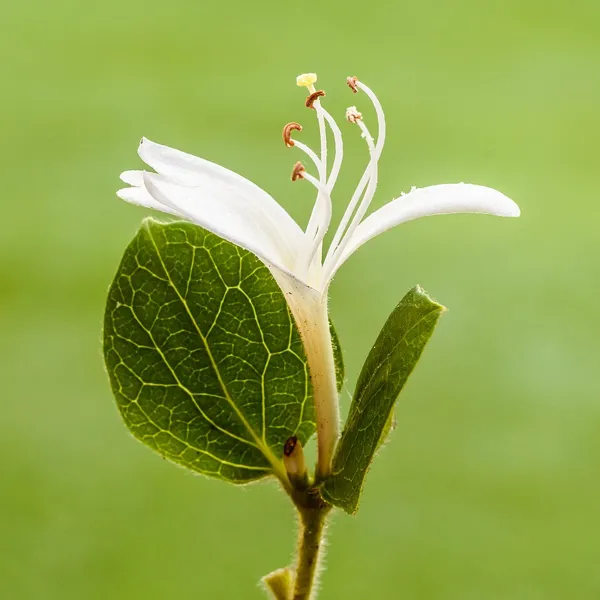
Legally regulated
Tier 3 noxious weed — sale and movement prohibited; control not required · detailsPhoto: Dominicus Johannes Bergsma, CC BY-SA 4.0, Wikimedia Commons

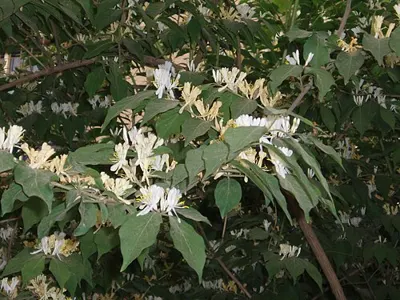
Legally regulated
Tier 3 noxious weed — sale and movement prohibited; control not required · detailsPhoto: Taken by Fanghong, CC BY 2.5, Wikimedia Commons

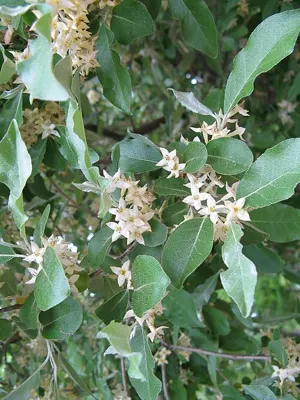
Legally regulated
Tier 3 noxious weed — sale and movement prohibited; control not required · detailsPhoto: KENPEI, CC BY-SA 3.0, Wikimedia Commons

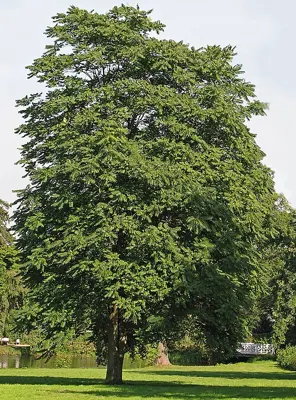
Legally regulated
Tier 3 noxious weed — sale and movement prohibited; control not required · detailsPhoto: Darkone (talk · contribs), CC BY-SA 2.5, Wikimedia Commons

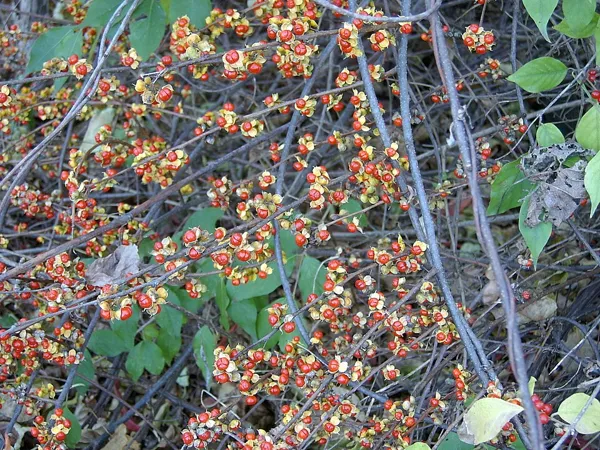
Legally regulated
Tier 3 noxious weed — sale and movement prohibited; control not required · detailsPhoto: Cbaile19, CC0, Wikimedia Commons

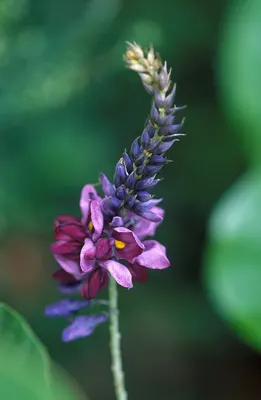
Legally regulated
Tier 3 noxious weed — sale and movement prohibited; control not required · detailsPhoto: Photo by Peggy Greb., Public domain, Wikimedia Commons

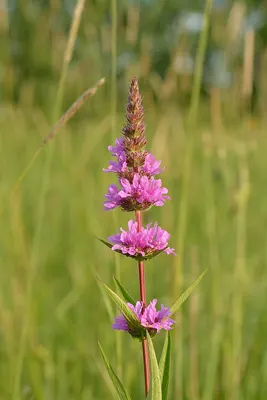
Legally regulated
Tier 2 noxious weed — sale and movement prohibited · detailsPhoto: Ivar Leidus, CC BY-SA 3.0, Wikimedia Commons

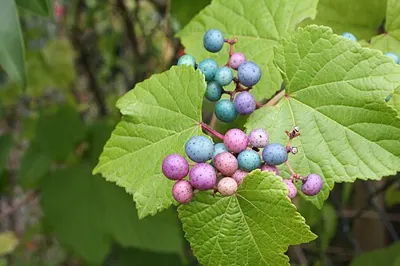
Legally regulated
Tier 3 noxious weed — sale and movement prohibited; control not requiredPhoto: Olivier Vanpé, CC BY-SA 3.0, Wikimedia Commons

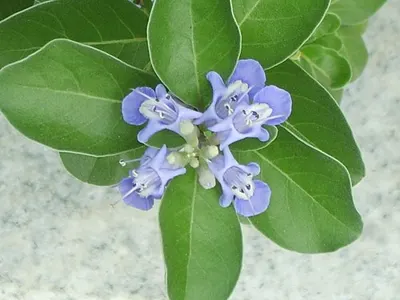
Legally regulated
Tier 2 noxious weed — sale and movement prohibitedPhoto: Dalgial, CC BY-SA 3.0, Wikimedia Commons

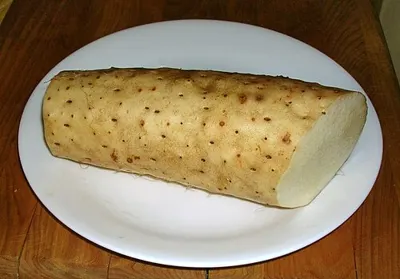
Legally regulated
Tier 3 noxious weed — sale and movement prohibited; control not requiredPhoto: Unknown author, Public domain, Wikimedia Commons

Tier 1 noxious weed — not known to be present in Virginia; sale and movement prohibited (moving it requires a VDACS certificate or permit) (3)
| Scientific name | Common name / notes |
|---|---|
| Salvinia molesta | Giant salvinia |
| Solanum viarum | Tropical soda apple |
| Heracleum mantegazzianum | Giant hogweed |
Tier 2 noxious weed — sale and movement prohibited (7)
| Scientific name | Common name / notes |
|---|---|
| Imperata cylindrica | Cogon grass |
| Lythrum salicaria | Purple loosestrife |
| Ipomoea aquatica | Water spinach |
| Vitex rotundifolia | Beach vitex |
| Oplismenus hirtellus spp. undulatifolius | Wavyleaf basketgrass |
| Corydalis incisa | Incised fumewort |
| Trapa bispinosa | Two-horned trapa |
Tier 3 noxious weed — sale and movement prohibited; control not required (16)
| Scientific name | Common name / notes |
|---|---|
| Ailanthus altissima | Tree of heaven |
| Ampelopsis brevipedunculata | Porcelain berry |
| Celastrus orbiculatus | Oriental bittersweet |
| Hydrilla verticillata | Hydrilla |
| Persicaria perfoliata | Mile-a-minute weed |
| Alliaria petiolata | Garlic mustard |
| Dioscorea polystachya | Chinese yam |
| Elaeagnus umbellata | Autumn olive |
| Ficaria verna | Lesser celandine |
| Lespedeza bicolor | Bicolor lespedeza |
| Lonicera maackii | Amur honeysuckle |
| Lonicera japonica | Japanese honeysuckle |
| Phragmites australis | Common reed |
| Pueraria montana | Kudzu |
| Reynoutria japonica | Japanese knotweed |
| Ulmus pumila | Siberian elm |
DCR invasive — High (educational, not a legal ban) (44)
| Scientific name | Common name / notes |
|---|---|
| Ailanthus altissima | Tree-of-heaven |
| Aldrovanda vesiculosa* | Waterwheel |
| Alliaria petiolata | Garlic Mustard |
| Alternanthera philoxeroides | Alligator-weed |
| Ampelopsis glandulosa | Porcelain-berry |
| Arum italicum* | Italian arum |
| Carex kobomugi | Japanese Sand Sedge |
| Celastrus orbiculatus | Oriental Bittersweet |
| Centaurea stoebe ssp. micranthos | Spotted Knapweed |
| Cirsium arvense | Canada Thistle |
| Citrus trifoliata | Trifoliate orange |
| Dioscorea polystachya | Cinnamon Vine |
| Elaeagnus umbellata | Autumn Olive |
| Euonymus alatus | Winged Euonymus |
| Ficaria verna | Lesser Celandine |
| Hydrilla verticillata | Hydrilla |
| Imperata cylindrica* | Cogon Grass |
| Iris pseudacorus | Yellow Flag |
| Lespedeza cuneata | Sericea Lespedeza |
| Ligustrum sinense | Chinese Privet |
| Lonicera japonica | Japanese Honeysuckle |
| Lonicera maackii | Amur Honeysuckle |
| Lonicera morrowii | Morrow's Honeysuckle |
| Ludwigia hexapetala* | Large flower primrose willow |
| Ludwigia peploides var. glabrescens* | Floating primrose-willow |
| Lythrum salicaria | Purple Loosestrife |
| Microstegium vimineum | Japanese Stiltgrass |
| Murdannia keisak | Marsh dewflower |
| Myriophyllum aquaticum | Parrot Feather |
| Myriophyllum spicatum | Eurasian Water-milfoil |
| Oplismenus undulatifolius | Wavyleaf Grass |
| Oshuna crassipes* | Water Hyacinth |
| Persicaria perfoliata | Mile-a-minute |
| Phragmites australis ssp. australis | Common Reed |
| Pueraria montana var. lobata | Kudzu |
| Reynoutria japonica var. japonica | Japanese knotweed |
| Rosa multiflora | Multiflora Rose |
| Rubus phoenicolasius | Wineberry |
| Sorghum halepense | Johnson Grass |
| Trapa bispinosa var. iinumai* | Two-horned trapa |
| Triadica sebifera* | Chinese tallow-tree |
| Tripidium ravennae* | Ravenna grass |
| Urtica dioica | European Stinging Nettle |
| Vitex rotundifolia | Beach Vitex |
DCR invasive — Medium (educational, not a legal ban) (41)
| Scientific name | Common name / notes |
|---|---|
| Acetosa acetosella | Sheep sorrel |
| Acer platanoides | Norway Maple |
| Agrostis capillaris | Colonial bent-grass |
| Akebia quinata | Five-leaf Akebia |
| Albizia julibrissin | Mimosa |
| Arthraxon hispidus var. hispidus | Joint Head Grass |
| Berberis thunbergii | Japanese Barberry |
| Cenchrus purpurascens* | Fountain grass |
| Cirsium vulgare | Bull Thistle |
| Clematis terniflora | Sweet autumn clematis |
| Corydalis incisa* | Incised fumewort |
| Dipsacus fullonum | Wild Teasel |
| Egeria densa | Brazilian Waterweed |
| Euonymus fortunei | Winter Creeper |
| Glechoma hederacea | Gill-over-the-ground |
| Hedera helix | English ivy |
| Heracleum mantegazzianum* | Giant Hogweed |
| Holcus lanatus | Common Velvet Grass |
| Humulus japonicus | Japanese Hops |
| Ipomoea aquatica* | Water spinach |
| Ligustrum obtusifolium var. obtusifolium | Border privet |
| Lonicera tatarica | Tartarian Honeysuckle |
| Lysimachia nummularia | Moneywort |
| Mahonia bealei* | leatherleaf mahonia |
| Miscanthus sinensis | Chinese Silvergrass |
| Najas minor | Brittle Naiad |
| Paulownia tomentosa | Royal Paulowina |
| Persicaria longiseta | Long-bristled Smartweed |
| Phyllostachys aurea | Golden Bamboo |
| Poa compressa | Flat-stemmed Bluegrass |
| Poa trivialis ssp. trivialis | Rough Bluegrass |
| Potamogeton crispus | Curled pondweed |
| Pyrus calleryana | Callery Pear |
| Rhodotypos scandens | Jetbead |
| Salvinia molesta* | Giant Salvinia |
| Solanum viarum* | Tropical Soda Apple |
| Spiraea japonica | Japanese Spiraea |
| Stellaria media | Common Chickweed |
| Veronica hederifolia | Ivy-leaved Speedwell |
| Viburnum dilatatum | Linden arrow-wood |
| Wisteria sinensis | Chinese Wisteria |
DCR invasive — Low (educational, not a legal ban) (18)
| Scientific name | Common name / notes |
|---|---|
| Buddleja davidii* | Orange-eye butterfly-bush |
| Commelina communis | Asiatic Dayflower |
| Elaeagnus pungens | Thorny Olive |
| Lespedeza bicolor | Shrubby Bushclover |
| Lonicera fragrantissima | Winter Honeysuckle |
| Melia azedarach | Chinaberry |
| Morus alba | White Mulberry |
| Nandina domestica | Nandina |
| Perilla frutescens | Beefsteak Plant |
| Phleum pratense | Timothy |
| Populus alba | Silver Poplar |
| Rumex crispus ssp. crispus | Curly dock |
| Securigera varia | Crown-vetch |
| Trapa natans | European Water Chestnut |
| Ulmus pumila | Siberian Elm |
| Vinca major | Greater Periwinkle |
| Vinca minor | Periwinkle |
| Wisteria floribunda | Japanese Wisteria |
Running bamboo
Virginia does not ban bamboo statewide. Va. Code §15.2-901.1 (2017) lets any locality adopt an ordinance requiring running bamboo (defined as bamboo with aggressive spreading behavior, including the genus Phyllostachys) to be contained (barriers/trenching) and kept from spreading to public rights-of-way or neighboring property. Civil penalties: up to $50 first violation, up to $200 subsequent violations within 12 months, max $3,000 per 12 months for one set of facts. §15.2-901 also lets localities require cutting of running bamboo with other overgrowth. None of the bamboos listed here are on the 2VAC5-317 noxious weed tiers; only Phyllostachys aurea appears on the DCR 2024 invasive list (Medium).
Informational only, not legal advice. Lists change; always check the official source linked above before you buy, sell, plant or move a plant. Lists checked 2026-10-14.
Is it illegal in Virginia? Quick answers
Is Amur honeysuckle illegal?Is Autumn olive illegal?Is Border privet illegal?Is Bradford (Callery) pear illegal?Is Burning bush illegal?Is Chinese privet illegal?Is Chinese wisteria illegal?Is English ivy illegal?Is Golden bamboo illegal?Is Japanese barberry illegal?Is Japanese honeysuckle illegal?Is Japanese knotweed illegal?Is Japanese wisteria illegal?Is Kudzu illegal?Is Mimosa tree illegal?Is Miscanthus (maiden grass) illegal?Is Multiflora rose illegal?Is Nandina (heavenly bamboo) illegal?Is Norway maple illegal?Is Oriental bittersweet illegal?Is Purple loosestrife illegal?Is Tree of heaven illegal?
Running bamboo in Virginia: local ordinances, fines and who pays →
Additional official listings (checked 2026-10-15)
Additional official listings (checked 2026-10-15)
From the sources added to this page's source list: Va. Code § 3.2-3801.1 (effective Jan 1, 2027) — retail signage for 39 invasive species, Va. Code § 3.2-800 et seq. — Noxious Weeds Law (definitions, phase-out, stop sale, penalties), Va. Code § 10.1-104.6:2 — DCR invasive plant list; state agencies may not plant, sell or propagate listed plants.
| Plant | Category | Note / date |
|---|---|---|
| Beefsteak plant (Perilla frutescens) | Retail invasive-plant signage (Va. Code § 3.2-3801.1, effective Jan 1, 2027) — sale allowed, but retailers must post an "invasive" sign at the display; not a sale ban | Beefsteak plant — signage required from Jan 1, 2027 |
| Bigleaf periwinkle (Vinca major) | Retail invasive-plant signage (Va. Code § 3.2-3801.1, effective Jan 1, 2027) — sale allowed, but retailers must post an "invasive" sign at the display; not a sale ban | Bigleaf periwinkle — signage required from Jan 1, 2027 |
| Brazilian waterweed (Egeria densa) | Retail invasive-plant signage (Va. Code § 3.2-3801.1, effective Jan 1, 2027) — sale allowed, but retailers must post an "invasive" sign at the display; not a sale ban | Brazilian waterweed — signage required from Jan 1, 2027 |
| Burning bush (Euonymus alatus) | Retail invasive-plant signage (Va. Code § 3.2-3801.1, effective Jan 1, 2027) — sale allowed, but retailers must post an "invasive" sign at the display; not a sale ban | Burning bush — signage required from Jan 1, 2027 |
| Butterfly bush (Buddleja davidii) | Retail invasive-plant signage (Va. Code § 3.2-3801.1, effective Jan 1, 2027) — sale allowed, but retailers must post an "invasive" sign at the display; not a sale ban | Butterfly bush — signage required from Jan 1, 2027 |
| Callery pear (Pyrus calleryana) | Retail invasive-plant signage (Va. Code § 3.2-3801.1, effective Jan 1, 2027) — sale allowed, but retailers must post an "invasive" sign at the display; not a sale ban | Callery pear — signage required from Jan 1, 2027 |
| Chinese privet (Ligustrum sinense) | Retail invasive-plant signage (Va. Code § 3.2-3801.1, effective Jan 1, 2027) — sale allowed, but retailers must post an "invasive" sign at the display; not a sale ban | Chinese privet — signage required from Jan 1, 2027 |
| Chinese silvergrass (Miscanthus sinensis) | Retail invasive-plant signage (Va. Code § 3.2-3801.1, effective Jan 1, 2027) — sale allowed, but retailers must post an "invasive" sign at the display; not a sale ban | Chinese silvergrass — signage required from Jan 1, 2027 |
| Chinese tallow tree (Triadica sebifera) | Retail invasive-plant signage (Va. Code § 3.2-3801.1, effective Jan 1, 2027) — sale allowed, but retailers must post an "invasive" sign at the display; not a sale ban | Chinese tallow tree — signage required from Jan 1, 2027 |
| Chinese wisteria (Wisteria sinensis) | Retail invasive-plant signage (Va. Code § 3.2-3801.1, effective Jan 1, 2027) — sale allowed, but retailers must post an "invasive" sign at the display; not a sale ban | Chinese wisteria — signage required from Jan 1, 2027 |
| Common periwinkle (Vinca minor) | Retail invasive-plant signage (Va. Code § 3.2-3801.1, effective Jan 1, 2027) — sale allowed, but retailers must post an "invasive" sign at the display; not a sale ban | Common periwinkle — signage required from Jan 1, 2027 |
| Creeping Jenny (Lysimachia nummularia) | Retail invasive-plant signage (Va. Code § 3.2-3801.1, effective Jan 1, 2027) — sale allowed, but retailers must post an "invasive" sign at the display; not a sale ban | Creeping Jenny — signage required from Jan 1, 2027 |
| Crown vetch (Securigera varia) | Retail invasive-plant signage (Va. Code § 3.2-3801.1, effective Jan 1, 2027) — sale allowed, but retailers must post an "invasive" sign at the display; not a sale ban | Crown vetch — signage required from Jan 1, 2027 |
| English ivy (Hedera helix) | Retail invasive-plant signage (Va. Code § 3.2-3801.1, effective Jan 1, 2027) — sale allowed, but retailers must post an "invasive" sign at the display; not a sale ban | English ivy — signage required from Jan 1, 2027 |
| Five-leaf akebia (Akebia quinata) | Retail invasive-plant signage (Va. Code § 3.2-3801.1, effective Jan 1, 2027) — sale allowed, but retailers must post an "invasive" sign at the display; not a sale ban | Five-leaf akebia — signage required from Jan 1, 2027 |
| Fountain grass (Cenchrus purpurascens) | Retail invasive-plant signage (Va. Code § 3.2-3801.1, effective Jan 1, 2027) — sale allowed, but retailers must post an "invasive" sign at the display; not a sale ban | Fountain grass — signage required from Jan 1, 2027 |
| Golden bamboo (Phyllostachys aurea) | Retail invasive-plant signage (Va. Code § 3.2-3801.1, effective Jan 1, 2027) — sale allowed, but retailers must post an "invasive" sign at the display; not a sale ban | Golden bamboo — signage required from Jan 1, 2027 |
| Ground ivy (Glechoma hederacea) | Retail invasive-plant signage (Va. Code § 3.2-3801.1, effective Jan 1, 2027) — sale allowed, but retailers must post an "invasive" sign at the display; not a sale ban | Ground ivy — signage required from Jan 1, 2027 |
| Heavenly bamboo (nandina) (Nandina domestica) | Retail invasive-plant signage (Va. Code § 3.2-3801.1, effective Jan 1, 2027) — sale allowed, but retailers must post an "invasive" sign at the display; not a sale ban | Heavenly bamboo (nandina) — signage required from Jan 1, 2027 |
| Italian arum (Arum italicum) | Retail invasive-plant signage (Va. Code § 3.2-3801.1, effective Jan 1, 2027) — sale allowed, but retailers must post an "invasive" sign at the display; not a sale ban | Italian arum — signage required from Jan 1, 2027 |
| Japanese barberry (Berberis thunbergii) | Retail invasive-plant signage (Va. Code § 3.2-3801.1, effective Jan 1, 2027) — sale allowed, but retailers must post an "invasive" sign at the display; not a sale ban | Japanese barberry — signage required from Jan 1, 2027 |
| Japanese spiraea (Spiraea japonica) | Retail invasive-plant signage (Va. Code § 3.2-3801.1, effective Jan 1, 2027) — sale allowed, but retailers must post an "invasive" sign at the display; not a sale ban | Japanese spiraea — signage required from Jan 1, 2027 |
| Japanese wisteria (Wisteria floribunda) | Retail invasive-plant signage (Va. Code § 3.2-3801.1, effective Jan 1, 2027) — sale allowed, but retailers must post an "invasive" sign at the display; not a sale ban | Japanese wisteria — signage required from Jan 1, 2027 |
| Leatherleaf mahonia (Mahonia bealei) | Retail invasive-plant signage (Va. Code § 3.2-3801.1, effective Jan 1, 2027) — sale allowed, but retailers must post an "invasive" sign at the display; not a sale ban | Leatherleaf mahonia — signage required from Jan 1, 2027 |
| Marsh dewflower (Murdannia keisak) | Retail invasive-plant signage (Va. Code § 3.2-3801.1, effective Jan 1, 2027) — sale allowed, but retailers must post an "invasive" sign at the display; not a sale ban | Marsh dewflower — signage required from Jan 1, 2027 |
| Mimosa (Albizia julibrissin) | Retail invasive-plant signage (Va. Code § 3.2-3801.1, effective Jan 1, 2027) — sale allowed, but retailers must post an "invasive" sign at the display; not a sale ban | Mimosa — signage required from Jan 1, 2027 |
| Norway maple (Acer platanoides) | Retail invasive-plant signage (Va. Code § 3.2-3801.1, effective Jan 1, 2027) — sale allowed, but retailers must post an "invasive" sign at the display; not a sale ban | Norway maple — signage required from Jan 1, 2027 |
| Parrot feather (Myriophyllum aquaticum) | Retail invasive-plant signage (Va. Code § 3.2-3801.1, effective Jan 1, 2027) — sale allowed, but retailers must post an "invasive" sign at the display; not a sale ban | Parrot feather — signage required from Jan 1, 2027 |
| Princess tree (Paulownia tomentosa) | Retail invasive-plant signage (Va. Code § 3.2-3801.1, effective Jan 1, 2027) — sale allowed, but retailers must post an "invasive" sign at the display; not a sale ban | Princess tree — signage required from Jan 1, 2027 |
| Ravenna grass (Tripidium ravennae) | Retail invasive-plant signage (Va. Code § 3.2-3801.1, effective Jan 1, 2027) — sale allowed, but retailers must post an "invasive" sign at the display; not a sale ban | Ravenna grass — signage required from Jan 1, 2027 |
| Sweet autumn clematis (Clematis terniflora) | Retail invasive-plant signage (Va. Code § 3.2-3801.1, effective Jan 1, 2027) — sale allowed, but retailers must post an "invasive" sign at the display; not a sale ban | Sweet autumn clematis — signage required from Jan 1, 2027 |
| Thorny olive (Elaeagnus pungens) | Retail invasive-plant signage (Va. Code § 3.2-3801.1, effective Jan 1, 2027) — sale allowed, but retailers must post an "invasive" sign at the display; not a sale ban | Thorny olive — signage required from Jan 1, 2027 |
| Trifoliate orange (Citrus trifoliata) | Retail invasive-plant signage (Va. Code § 3.2-3801.1, effective Jan 1, 2027) — sale allowed, but retailers must post an "invasive" sign at the display; not a sale ban | Trifoliate orange — signage required from Jan 1, 2027 |
| Water hyacinth (Pontederia crassipes) | Retail invasive-plant signage (Va. Code § 3.2-3801.1, effective Jan 1, 2027) — sale allowed, but retailers must post an "invasive" sign at the display; not a sale ban | Water hyacinth — signage required from Jan 1, 2027 |
| White mulberry (Morus alba) | Retail invasive-plant signage (Va. Code § 3.2-3801.1, effective Jan 1, 2027) — sale allowed, but retailers must post an "invasive" sign at the display; not a sale ban | White mulberry — signage required from Jan 1, 2027 |
| Wineberry (Rubus phoenicolasius) | Retail invasive-plant signage (Va. Code § 3.2-3801.1, effective Jan 1, 2027) — sale allowed, but retailers must post an "invasive" sign at the display; not a sale ban | Wineberry — signage required from Jan 1, 2027 |
| Winter honeysuckle (Lonicera fragrantissima) | Retail invasive-plant signage (Va. Code § 3.2-3801.1, effective Jan 1, 2027) — sale allowed, but retailers must post an "invasive" sign at the display; not a sale ban | Winter honeysuckle — signage required from Jan 1, 2027 |
| Wintercreeper (Euonymus fortunei) | Retail invasive-plant signage (Va. Code § 3.2-3801.1, effective Jan 1, 2027) — sale allowed, but retailers must post an "invasive" sign at the display; not a sale ban | Wintercreeper — signage required from Jan 1, 2027 |
| Yellow flag iris (Iris pseudacorus) | Retail invasive-plant signage (Va. Code § 3.2-3801.1, effective Jan 1, 2027) — sale allowed, but retailers must post an "invasive" sign at the display; not a sale ban | Yellow flag iris — signage required from Jan 1, 2027 |
Native swaps for Virginia
Instead of Amur honeysuckleInstead of Autumn oliveInstead of Border privetInstead of Bradford (Callery) pearInstead of Burning bushInstead of Chinese privetInstead of Chinese wisteriaInstead of English ivyInstead of Golden bambooInstead of Japanese barberryInstead of Japanese honeysuckleInstead of Japanese knotweedInstead of Japanese wisteriaInstead of KudzuInstead of Mimosa treeInstead of Miscanthus (maiden grass)Instead of Multiflora roseInstead of Nandina (heavenly bamboo)Instead of Norway mapleInstead of Oriental bittersweetInstead of Purple loosestrifeInstead of Tree of heaven
How the law works in Virginia
Virginia has two separate lists. The legal one is the VDACS noxious-weed regulation, 2VAC5-317-20, adopted under the Noxious Weeds Law (Va. Code § 3.2-800 et seq.): it names Tier 1, 2 and 3 noxious weeds. Moving one (shipping, offering for shipment, carrying or otherwise transporting it) is prohibited unless it is accompanied by a VDACS certificate or permit (2VAC5-317-30), and VDACS may stop the sale or delivery of, seize, destroy or treat noxious weeds at the owner's expense (Va. Code § 3.2-805). The DCR Virginia Invasive Plant Species List (2024) is educational only: it ranks plants High/Medium/Low but does not ban them. Separately, Va. Code § 15.2-901.1 lets cities and counties require containment of running bamboo. Tier definitions (2VAC5-317-10): Tier 1 weeds are not known to be present in Virginia; Tier 2 weeds are present and eradication or suppression is feasible; Tier 3 weeds are present, eradication or suppression is not feasible, and restrictions on movement may slow their spread. The current list took effect July 4, 2024 (earlier versions January 29, 2015, November 30, 2017 and July 23, 2020). When a plant that is commercially propagated in Virginia is newly designated, the law gives a phase-out period of two years for grasses, forbs and vines, four years for shrubs and seven years for trees (Va. Code § 3.2-802(A)). Violating the Noxious Weeds Law or its regulations is a Class 1 misdemeanor (§ 3.2-809(A)). State agencies may not plant, sell or propagate plants on the DCR list except for scientific, educational or bona fide agricultural purposes (§ 10.1-104.6:2(B)). § 3.2-802(C) also directs the Board of Agriculture and Consumer Services to adopt regulations requiring tradespersons who propose or install plants to tell property owners in writing about proposed plants on the DCR list, with civil penalties of up to $250, $500 and $1,000 (§ 3.2-809(B)); as of October 19, 2026, chapter 2VAC5-317 contained no such regulation.