 PlantLegit
Utah: invasive & noxious plant laws
Free ZIP check + email reminders
In Utah: 59 plants are named on Utah's legal plant lists (noxious-weed or invasive-plant law, so restrictions apply). Some plants appear on more than one list.
Plain English: a “noxious weed” is a plant named on a state’s legal list, so selling or moving it is restricted; an “advisory” or “educational” invasive list is a warning, not a ban.
Sources (5)
- Utah Admin. Code R68-9-3 (LII) – Cornell Law School Legal Information Institute
- UDAF — State of Utah noxious weed list – Utah Department of Agriculture and Food
- Utah Code title 4 ch. 17 Utah Noxious Weed Act (PDF) – Utah Legislature
- Utah Admin. Code R68-9-4(2) — no person may sell, barter or give away any noxious weed plants or seeds – Cornell Law School Legal Information Institute
- Federal Noxious Weed List, 7 CFR § 360.200 (USDA APHIS) — applies in every state – Electronic Code of Federal Regulations (eCFR)
New laws coming: several states phase in plant bans 2027–2030. See dates and sources →
Top 10 plants to remove in Utah (with photos)
These are common yard plants on Utah's official or state-agency lists. Legally regulated plants come first, then plants covered only by a store-sign law, then plants listed as invasive for education only, which are not banned. Legal status is not the same as having to remove a plant you already own, so check the category under each photo. Swap them for natives: native alternatives →
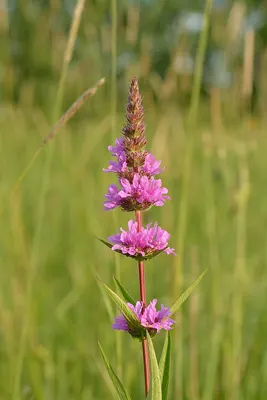
Legally regulated
Class 2 control noxious weed (R68-9-3) — may not be sold, bartered or given away (R68-9-4(2)) · detailsPhoto: Ivar Leidus, CC BY-SA 3.0, Wikimedia Commons

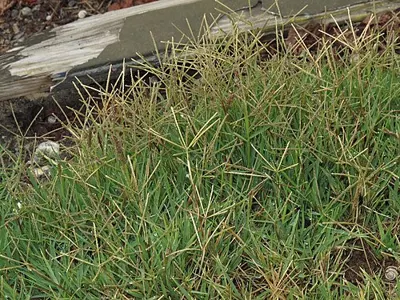
Legally regulated
Class 3 containment noxious weed (R68-9-3) — may not be sold, bartered or given away (R68-9-4(2)); Bermudagrass exceptions per R68-9-3Photo: Robert Flogaus-Faust, CC BY 4.0, Wikimedia Commons

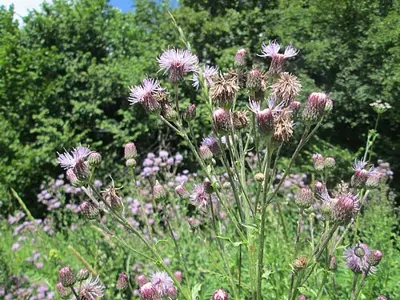
Legally regulated
Class 3 containment noxious weed (R68-9-3) — may not be sold, bartered or given away (R68-9-4(2)); Bermudagrass exceptions per R68-9-3Photo: AnRo0002, CC0, Wikimedia Commons

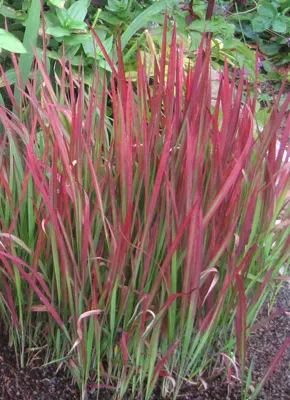
Legally regulated
Class 4 prohibited (R68-9-3) — prohibited for sale or propagationPhoto: GearedBull at English Wikipedia, CC BY 3.0, Wikimedia Commons

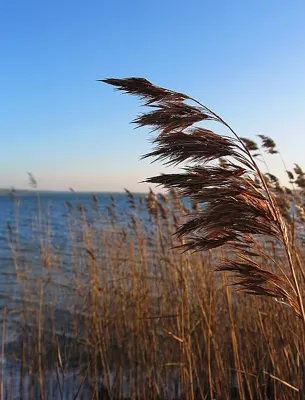
Legally regulated
Class 3 containment noxious weed (R68-9-3) — may not be sold, bartered or given away (R68-9-4(2)); Bermudagrass exceptions per R68-9-3Photo: Darkone (talk · contribs), CC BY-SA 2.0, Wikimedia Commons

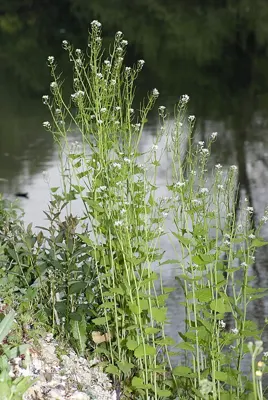
Legally regulated
Class 1B EDRR noxious weed (R68-9-3) — may not be sold, bartered or given away (R68-9-4(2))Photo: O. Pichard, CC BY-SA 3.0, Wikimedia Commons

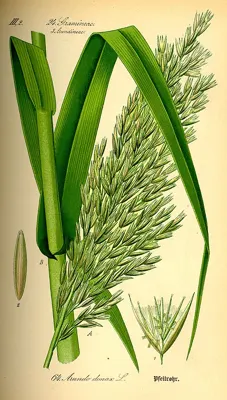
Legally regulated
Class 1B EDRR noxious weed (R68-9-3) — may not be sold, bartered or given away (R68-9-4(2))Photo: Unknown author, Public domain, Wikimedia Commons

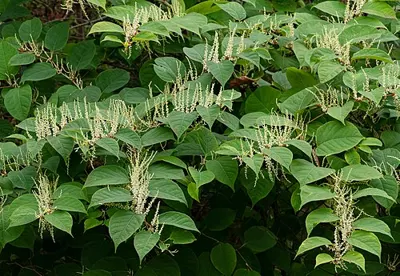
Legally regulated
Class 1B EDRR noxious weed (R68-9-3) — may not be sold, bartered or given away (R68-9-4(2))Photo: W.carter, CC0, Wikimedia Commons

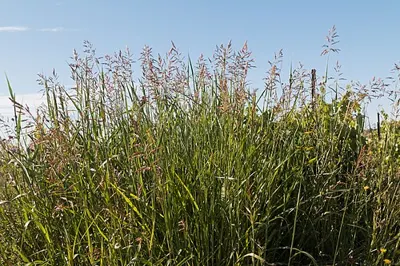
Legally regulated
Class 3 containment noxious weed (R68-9-3) — may not be sold, bartered or given away (R68-9-4(2)); Bermudagrass exceptions per R68-9-3Photo: Daniel VILLAFRUELA., CC BY-SA 4.0, Wikimedia Commons

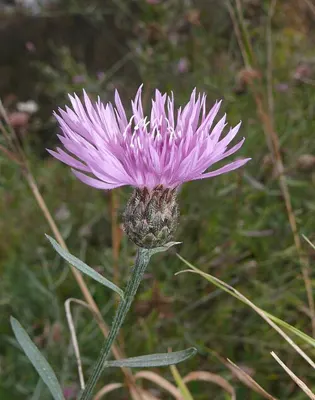
Legally regulated
Class 2 control noxious weed (R68-9-3) — may not be sold, bartered or given away (R68-9-4(2))Photo: Bernd Haynold, CC BY-SA 3.0, Wikimedia Commons

Class 1A EDRR watch list noxious weed (Utah Admin. Code R68-9-3) — may not be sold, bartered or given away (R68-9-4(2)) (6)
| Scientific name | Common name / notes |
|---|---|
| Crupina vulgaris | common crupina |
| Salvia aethiopis | Mediterranean sage |
| Carduus acanthoides | plumeless thistle |
| Anchusa arvensis | small bugloss |
| Milium vernale | spring millet |
| Zygophyllum fabago | Syrian bean caper |
Class 1B EDRR noxious weed (R68-9-3) — may not be sold, bartered or given away (R68-9-4(2)) (17)
| Scientific name | Common name / notes |
|---|---|
| Brassica tournefortii | African mustard |
| Peganum harmala | African rue |
| Echium vulgare | blueweed |
| Alhagi maurorum | camelthorn |
| Hypericum perforatum | common St. Johnswort |
| Scorzonera laciniata | cutleaf vipergrass |
| Brassica elongata | elongated mustard |
| Myriophyllum spicatum | Eurasian watermilfoil |
| Alliaria petiolata | garlic mustard |
| Arundo donax | giant reed |
| Galega officinalis | goat's rue |
| Polygonum cuspidatum | Japanese knotweed |
| Centaurea melitensis | Malta starthistle |
| Leucanthemum vulgare | oxeye daisy |
| Myriophyllum aquaticum | parrot feather |
| Centaurea calcitrapa | purple starthistle |
| Ventenata dubia | ventenata |
Class 2 control noxious weed (R68-9-3) — may not be sold, bartered or given away (R68-9-4(2)) (12)
| Scientific name | Common name / notes |
|---|---|
| Hyoscyamus niger | black henbane |
| Linaria dalmatica | Dalmatian toadflax |
| Centaurea diffusa | diffuse knapweed |
| Isatis tinctoria | dyer's woad |
| Euphorbia esula | leafy spurge |
| Taeniatherum caput-medusae | medusahead |
| Lythrum salicaria | purple loosestrife |
| Chondrilla juncea | rush skeletonweed |
| Centaurea stoebe | spotted knapweed |
| Centaurea virgata | squarrose knapweed |
| Centaurea solstitialis | yellow starthistle |
| Linaria vulgaris | yellow toadflax |
Class 3 containment noxious weed (R68-9-3) — may not be sold, bartered or given away (R68-9-4(2)); Bermudagrass exceptions per R68-9-3 (19)
| Scientific name | Common name / notes |
|---|---|
| Cynodon dactylon | Bermudagrass — not noxious in Washington County; triploid hybrid Bermudagrass is not noxious |
| Cirsium arvense | Canada thistle |
| Convolvulus spp. | field bindweed, wild morning-glory |
| Lepidium draba | hoary cress |
| Lepidium chalepense | hoary cress |
| Lepidium appelianum | hoary cress |
| Cynoglossum officinale | houndstongue |
| Aegilops cylindrica | jointed goatgrass |
| Carduus nutans | musk thistle |
| Lepidium latifolium | perennial pepperweed |
| Sorghum halepense | Johnson grass |
| Sorghum almum | Columbus grass |
| Phragmites australis | common reed |
| Conium maculatum | poison hemlock |
| Tribulus terrestris | puncturevine |
| Elymus repens | quackgrass |
| Acroptilon repens | Russian knapweed |
| Onopordum acanthium | Scotch thistle |
| Tamarix ramosissima | tamarisk, saltcedar |
Class 4 prohibited (R68-9-3) — prohibited for sale or propagation (5)
| Scientific name | Common name / notes |
|---|---|
| Imperata cylindrica | cogongrass, Japanese blood grass |
| Hesperis matronalis | dame's rocket |
| Euphorbia myrsinites | myrtle spurge |
| Elaeagnus angustifolia | Russian olive |
| Cytisus scoparius | Scotch broom |
Check plants against Utah law →
Informational only, not legal advice. Lists change; always check the official source linked above before you buy, sell, plant or move a plant. Lists checked 2026-10-14.
Is it illegal in Utah? Quick answers
Is Japanese knotweed illegal?Is Purple loosestrife illegal?
Native swaps for Utah
How the law works in Utah
Utah's Noxious Weed Act (Utah Code title 4 ch. 17) and rule R68-9 (last amended June 28, 2024) set five classes of state noxious weeds. Landowners must control them, and counties may reprioritize them. Class 4 plants are designated as prohibited for sale or propagation in the nursery and greenhouse trade. Classes 1A through 3 are control and containment categories.