 PlantLegit
Tennessee: invasive & noxious plant laws
Free ZIP check + email reminders
In Tennessee: 13 plants are named on Tennessee's legal plant lists (noxious-weed or invasive-plant law, so restrictions apply).
Plain English: a “noxious weed” is a plant named on a state’s legal list, so selling or moving it is restricted; an “advisory” or “educational” invasive list is a warning, not a ban.
Sources (6)
- Tenn. Comp. R. & Regs. ch. 0080-06-24 Pest Plant Regulations (Tennessee Secretary of State, PDF rev. April 2009)
- Tennessee SOS — Department of Agriculture rules index – Tennessee Secretary of State (Rules)
- Tenn. Comp. R. & Regs. 0080-06-24-.02 Pest Plant List (LII) – Cornell Law School Legal Information Institute
- Tennessee Department of Agriculture — Pest Plants (the 13 regulated species; non-regulated invasives) – tn.gov
- Tenn. Comp. R. & Regs. 0080-06-01-.15 Stop movement orders (LII) – Cornell Law School Legal Information Institute
- Federal Noxious Weed List, 7 CFR § 360.200 (USDA APHIS) — applies in every state – Electronic Code of Federal Regulations (eCFR)
New laws coming: several states phase in plant bans 2027–2030. See dates and sources →
Top 9 plants to remove in Tennessee (with photos)
These are common yard plants on Tennessee's official or state-agency lists. Legally regulated plants come first, then plants covered only by a store-sign law, then plants listed as invasive for education only, which are not banned. Legal status is not the same as having to remove a plant you already own, so check the category under each photo. Swap them for natives: native alternatives →
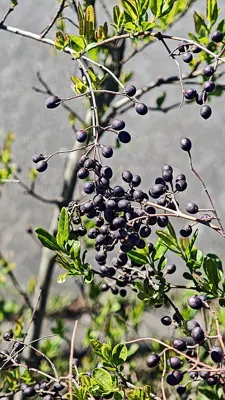
Legally regulated
Pest plant (Tenn. Comp. R. & Regs. 0080-06-24-.02) — may not be propagated, sold, offered for sale or released · detailsPhoto: Didier Descouens, CC BY-SA 4.0, Wikimedia Commons

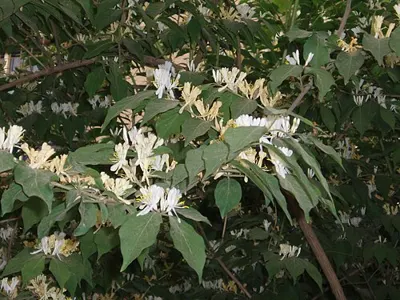
Legally regulated
Pest plant (Tenn. Comp. R. & Regs. 0080-06-24-.02) — may not be propagated, sold, offered for sale or released · detailsPhoto: Taken by Fanghong, CC BY 2.5, Wikimedia Commons

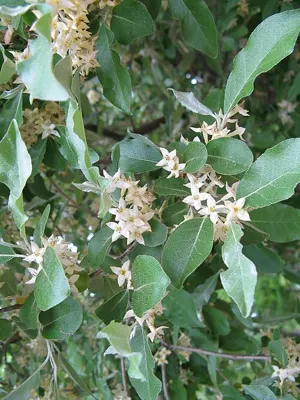
Legally regulated
Pest plant (Tenn. Comp. R. & Regs. 0080-06-24-.02) — may not be propagated, sold, offered for sale or released · detailsPhoto: KENPEI, CC BY-SA 3.0, Wikimedia Commons

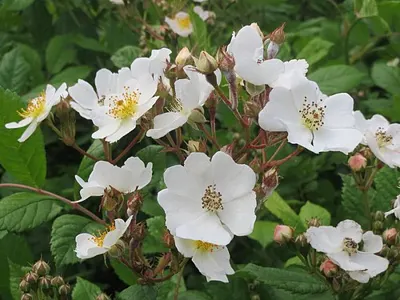
Legally regulated
Pest plant (Tenn. Comp. R. & Regs. 0080-06-24-.02) — may not be propagated, sold, offered for sale or released · detailsPhoto: AnRo0002, CC0, Wikimedia Commons

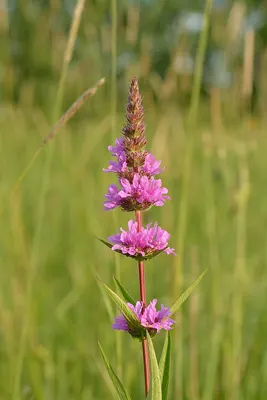
Legally regulated
Pest plant (Tenn. Comp. R. & Regs. 0080-06-24-.02) — may not be propagated, sold, offered for sale or released · detailsPhoto: Ivar Leidus, CC BY-SA 3.0, Wikimedia Commons

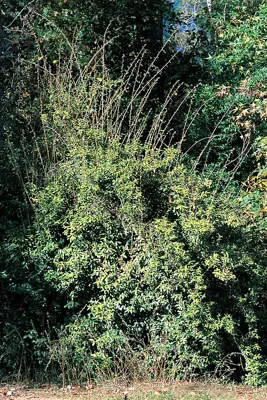
Legally regulated
Pest plant (Tenn. Comp. R. & Regs. 0080-06-24-.02) — may not be propagated, sold, offered for sale or releasedPhoto: James H. Miller, USDA Forest Service, Bugwood.org, CC BY 3.0 US, Wikimedia Commons

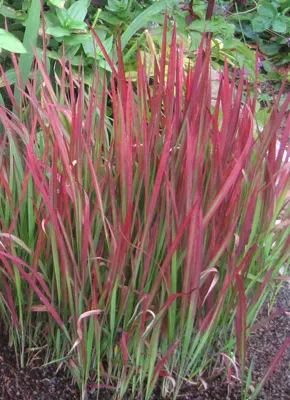
Legally regulated
Pest plant (Tenn. Comp. R. & Regs. 0080-06-24-.02) — may not be propagated, sold, offered for sale or releasedPhoto: GearedBull at English Wikipedia, CC BY 3.0, Wikimedia Commons

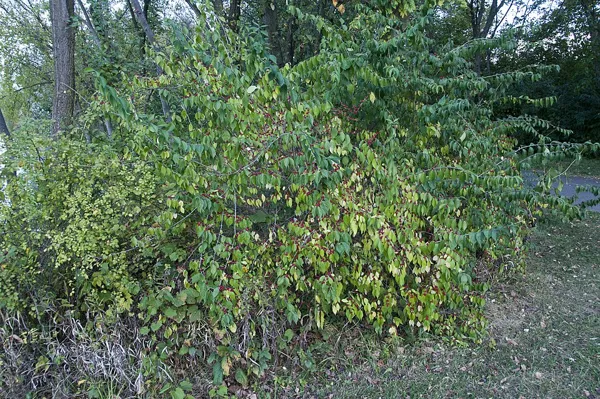
Legally regulated
Pest plant (Tenn. Comp. R. & Regs. 0080-06-24-.02) — may not be propagated, sold, offered for sale or releasedPhoto: Sixflashphoto, CC BY-SA 4.0, Wikimedia Commons

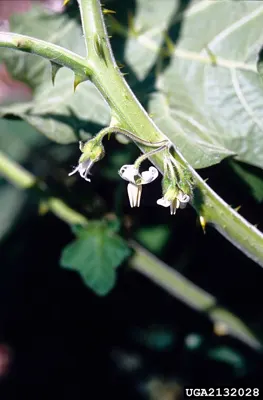
Legally regulated
Pest plant (Tenn. Comp. R. & Regs. 0080-06-24-.02) — may not be propagated, sold, offered for sale or releasedPhoto: James H. Miller, USDA Forest Service, Bugwood.org, CC BY 3.0 US, Wikimedia Commons

Pest plant (Tenn. Comp. R. & Regs. 0080-06-24-.02) — may not be propagated, sold, offered for sale or released (13)
| Scientific name | Common name / notes |
|---|---|
| Lythrum salicaria, Lythrum virgatum and related cultivars | purple loosestrife |
| Solanum viarum | tropical soda apple |
| Ligustrum sinense | Chinese privet (retail Jan 2010; wholesale Jan 2012) |
| Ligustrum vulgare | common/European privet (retail Jan 2010; wholesale Jan 2012) |
| Imperata cylindrica | cogongrass |
| Lonicera maackii | Amur honeysuckle (retail Jan 2010; wholesale Jan 2012) |
| Lonicera morrowii | Morrow's honeysuckle (retail Jan 2010; wholesale Jan 2012) |
| Lonicera x bella | Bell's honeysuckle (retail Jan 2010; wholesale Jan 2012) |
| Rosa multiflora | multiflora rose (retail Jan 2010; wholesale Jan 2012) |
| Elaeagnus umbellata | autumn olive (retail Jan 2010; wholesale Jan 2012) |
| Elaeagnus pungens | thorny olive (retail Jan 2012; wholesale Jan 2014) |
| Salvinia molesta | giant salvinia |
| Commelina benghalensis | tropical spiderwort |
Check plants against Tennessee law →
Informational only, not legal advice. Lists change; always check the official source linked above before you buy, sell, plant or move a plant. Lists checked 2026-10-14.
Is it illegal in Tennessee? Quick answers
Is Amur honeysuckle illegal?Is Autumn olive illegal?Is Chinese privet illegal?Is Multiflora rose illegal?Is Purple loosestrife illegal?
Native swaps for Tennessee
Instead of Amur honeysuckleInstead of Autumn oliveInstead of Chinese privetInstead of Multiflora roseInstead of Purple loosestrife
How the law works in Tennessee
Tennessee Department of Agriculture rule 0080-06-24-.02 designates pest plants that 'shall not be propagated, sold, offered for sale, or released within the state', except as provided in Rule 0080-06-24-.03 (permits). Several entries carried phase-in dates for retail and wholesale sale (2010–2014), all now past. Text checked against the Tennessee Secretary of State's official copy of the chapter (filed January 28, 2009, effective April 13, 2009). Under Rule 0080-06-24-.03 the Commissioner may grant permits for propagating, collecting and selling pest plants under a compliance agreement for research and propagative purposes, as long as the plants are safeguarded from being sold, offered for sale or released in Tennessee. The rule does not order owners to remove pest plants already growing, and it does not define the word released. The Department of Agriculture may issue a stop movement order for a plant being moved in violation of its plant rules; if the owner does not treat, return or destroy the plant within 10 days, the department may order it destroyed at the owner's expense (Rule 0080-06-01-.15). The Department's Pest Plants page names the same 13 species and lists bamboo and tree-of-heaven as non-regulated invasive plants (checked October 20, 2026). Rule history: first adopted effective January 28, 1999, amended effective June 28, 2007, and replaced by the current rule effective April 13, 2009.