 PlantLegit
Nebraska: invasive & noxious plant laws
Free ZIP check + email reminders
In Nebraska: 13 are on a noxious-weed control list: control duties may apply, but we found no sale ban in that law.
Plain English: a “noxious weed” is a plant named on a state’s legal list, so selling or moving it is restricted; an “advisory” or “educational” invasive list is a warning, not a ban.
Sources (4)
- 25 NAC 10 Noxious Weed Regulations (NDA, PDF) – Nebraska Department of Agriculture
- 25 NAC 10-001 (LII) – Cornell Law School Legal Information Institute
- NDA — noxious weeds – Nebraska Department of Agriculture
- Federal Noxious Weed List, 7 CFR § 360.200 (USDA APHIS) — applies in every state – Electronic Code of Federal Regulations (eCFR)
New laws coming: several states phase in plant bans 2027–2030. See dates and sources →
Top 6 plants to remove in Nebraska (with photos)
These are common yard plants on Nebraska's official or state-agency lists. Legally regulated plants come first, then plants covered only by a store-sign law, then plants listed as invasive for education only, which are not banned. Legal status is not the same as having to remove a plant you already own, so check the category under each photo. Swap them for natives: native alternatives →
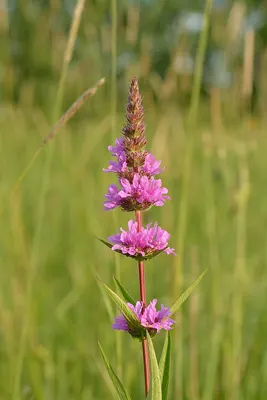
Legally regulated
Nebraska noxious weed (25 NAC 10-001) — landowners must control it; infested nursery stock can't be moved (25 NAC 10-004) · detailsPhoto: Ivar Leidus, CC BY-SA 3.0, Wikimedia Commons

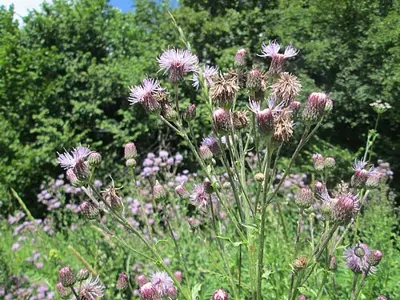
Legally regulated
Nebraska noxious weed (25 NAC 10-001) — landowners must control it; infested nursery stock can't be moved (25 NAC 10-004)Photo: AnRo0002, CC0, Wikimedia Commons

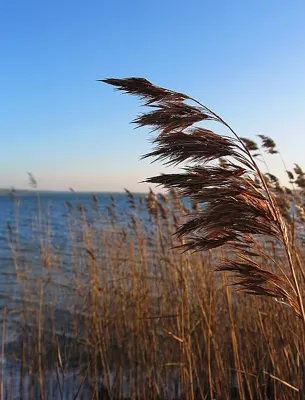
Legally regulated
Nebraska noxious weed (25 NAC 10-001) — landowners must control it; infested nursery stock can't be moved (25 NAC 10-004)Photo: Darkone (talk · contribs), CC BY-SA 2.0, Wikimedia Commons

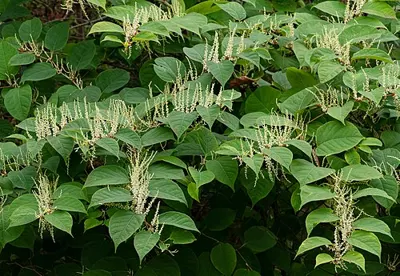
Legally regulated
Nebraska noxious weed (25 NAC 10-001) — landowners must control it; infested nursery stock can't be moved (25 NAC 10-004)Photo: W.carter, CC0, Wikimedia Commons

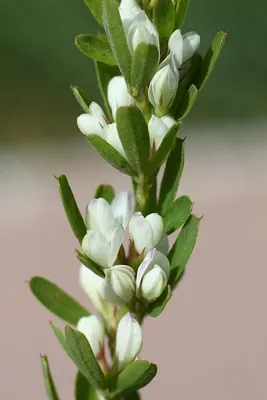
Legally regulated
Nebraska noxious weed (25 NAC 10-001) — landowners must control it; infested nursery stock can't be moved (25 NAC 10-004)Photo: Dalgial, CC BY-SA 4.0, Wikimedia Commons

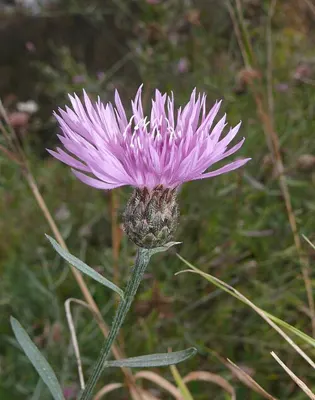
Legally regulated
Nebraska noxious weed (25 NAC 10-001) — landowners must control it; infested nursery stock can't be moved (25 NAC 10-004)Photo: Bernd Haynold, CC BY-SA 3.0, Wikimedia Commons

State noxious weed (25 NAC 10-001), control list — owners must control; articles that spread it can be restricted — not a sale ban (13)
| Scientific name | Common name / notes |
|---|---|
| Cirsium arvense | Canada thistle |
| Euphorbia esula | leafy spurge |
| Carduus nutans | musk thistle |
| Carduus acanthoides | plumeless thistle |
| Centaurea maculosa (syn. C. stoebe) | spotted knapweed |
| Centaurea diffusa | diffuse knapweed |
| Lythrum salicaria | purple loosestrife, incl. cultivars and hybrids |
| Lythrum virgatum | European wand loosestrife, incl. cultivars and hybrids |
| Tamarix ramosissima | saltcedar |
| Fallopia japonica (syn. Reynoutria japonica) | Japanese knotweed, incl. cultivars and hybrids |
| Fallopia sachalinensis (syn. Reynoutria sachalinensis) | giant knotweed, incl. cultivars and hybrids |
| Lespedeza cuneata | sericea lespedeza |
| Phragmites australis subsp. australis | common reed (non-native subspecies) |
Check plants against Nebraska law →
Informational only, not legal advice. Lists change; always check the official source linked above before you buy, sell, plant or move a plant. Lists checked 2026-10-14.
Is it illegal in Nebraska? Quick answers
Is Japanese knotweed illegal?Is Purple loosestrife illegal?
Native swaps for Nebraska
Instead of Japanese knotweedInstead of Purple loosestrife
How the law works in Nebraska
Nebraska's Noxious Weed Control Act (Neb. Rev. Stat. § 2-945.01 et seq.) requires every landowner to control the noxious weeds designated in 25 NAC 10 (amended June 17, 2024). The rule defines a noxious weed as the plant, seed or seedlings, and lets the Department restrict movement of articles (hay, seed, soil, equipment) capable of spreading them. Counties may designate additional weeds locally. This is a control law rather than an explicit sale ban.