 PlantLegit
North Carolina: invasive & noxious plant laws
Free ZIP check + email reminders
In North Carolina: 19 plants are named on North Carolina's legal plant lists (noxious-weed or invasive-plant law, so restrictions apply). Some plants appear on more than one list.
Plain English: a “noxious weed” is a plant named on a state’s legal list, so selling or moving it is restricted; an “advisory” or “educational” invasive list is a warning, not a ban.
Sources (4)
- 02 NCAC 48A .1702 Noxious weeds (list) – NC Administrative Code (Office of Administrative Hearings)
- 02 NCAC 48A .1703 Regulated areas / prohibitions – NC Administrative Code (Office of Administrative Hearings)
- NCDA&CS Noxious Weeds List – NC Department of Agriculture & Consumer Services
- Federal Noxious Weed List, 7 CFR § 360.200 (USDA APHIS) — applies in every state – Electronic Code of Federal Regulations (eCFR)
New laws coming: several states phase in plant bans 2027–2030. See dates and sources →
Top 5 plants to remove in North Carolina (with photos)
These are common yard plants on North Carolina's official or state-agency lists. Legally regulated plants come first, then plants covered only by a store-sign law, then plants listed as invasive for education only, which are not banned. Legal status is not the same as having to remove a plant you already own, so check the category under each photo. Swap them for natives: native alternatives →
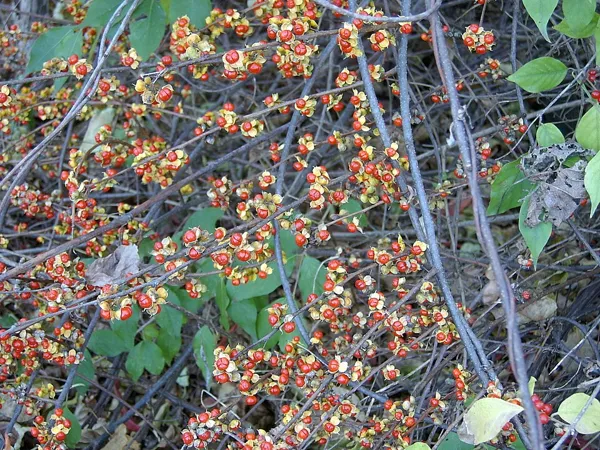
Legally regulated
Class C noxious weed (02 NCAC 48A .1702–.1703) · detailsPhoto: Cbaile19, CC0, Wikimedia Commons

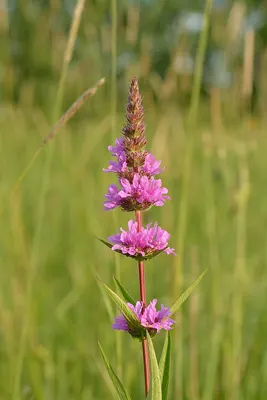
Legally regulated
Class B noxious weed (02 NCAC 48A .1702–.1703) — sale or distribution prohibited; no movement into North Carolina · detailsPhoto: Ivar Leidus, CC BY-SA 3.0, Wikimedia Commons

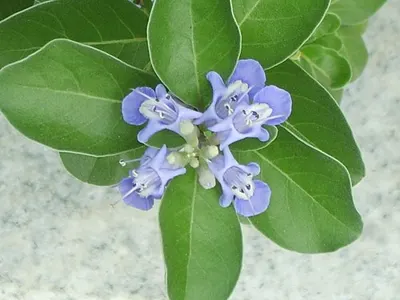
Legally regulated
Class B noxious weed (02 NCAC 48A .1702–.1703) — sale or distribution prohibited; no movement into North CarolinaPhoto: Dalgial, CC BY-SA 3.0, Wikimedia Commons

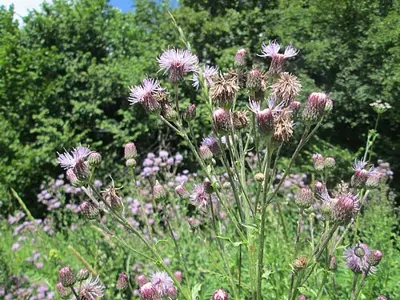
Legally regulated
Class B noxious weed (02 NCAC 48A .1702–.1703) — sale or distribution prohibited; no movement into North CarolinaPhoto: AnRo0002, CC0, Wikimedia Commons

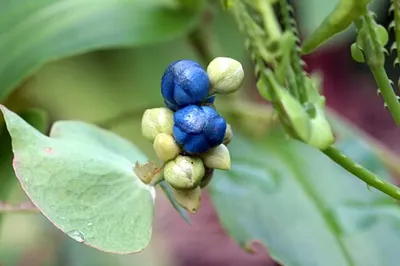
Legally regulated
Class B noxious weed (02 NCAC 48A .1702–.1703) — sale or distribution prohibited; no movement into North CarolinaPhoto: Dalgial, CC BY 3.0, Wikimedia Commons

Class A noxious weed (02 NCAC 48A .1702–.1703; all federal noxious weeds, plus the species below) — sale, distribution and movement into or within North Carolina prohibited (7)
| Scientific name | Common name / notes |
|---|---|
| Lagarosiphon spp. | African elodea |
| Salvinia spp. (all except S. minima) | Water fern |
| Nymphoides cristata | Crested floating heart |
| Nymphoides peltata | Yellow floating heart |
| Crassula helmsii | Swamp stonecrop |
| Trapa spp. | Water-chestnut |
| Nymphoides indica | Water snowflake |
Class B noxious weed (02 NCAC 48A .1702–.1703) — sale or distribution prohibited; no movement into North Carolina (11)
| Scientific name | Common name / notes |
|---|---|
| Cayratia japonica | Bushkiller |
| Rorippa sylvestris | Yellow fieldcress |
| Lythrum spp. (non-native to NC) | Lythrum / purple loosestrife |
| Persicaria perfoliata | Mile-a-minute |
| Tribulus terrestris | Puncturevine |
| Cirsium arvense | Canada thistle |
| Carduus nutans | Musk thistle |
| Carduus acanthoides | Plumeless thistle |
| Vitex rotundifolia | Beach vitex |
| Myriophyllum spicatum | Eurasian watermilfoil |
| Ludwigia hexapetala | Uruguay waterprimrose |
Class C noxious weed (02 NCAC 48A .1702–.1703) (1)
| Scientific name | Common name / notes |
|---|---|
| Celastrus orbiculatus | Oriental bittersweet |
Check plants against North Carolina law →
Informational only, not legal advice. Lists change; always check the official source linked above before you buy, sell, plant or move a plant. Lists checked 2026-10-14.
Is it illegal in North Carolina? Quick answers
Is Oriental bittersweet illegal?Is Purple loosestrife illegal?
Native swaps for North Carolina
Instead of Oriental bittersweetInstead of Purple loosestrife
How the law works in North Carolina
NCDA&CS regulates noxious weeds under 02 NCAC 48A .1702 (the list) and .1703 (restrictions). Class A and B noxious weeds may not be sold or distributed in North Carolina; Class C weeds may not be sold outside regulated areas. Class A automatically includes every federal noxious weed. Both rules were last amended effective October 1, 2011 and were retained in the 2019 periodic rule review (effective March 24, 2019). Several Class B weeds also may not be moved out of specific counties named in .1703(a), for example beach vitex out of 8 coastal counties.