 PlantLegit
Missouri: invasive & noxious plant laws
Free ZIP check + email reminders
In Missouri: 18 plants are named on Missouri's legal plant lists (noxious-weed or invasive-plant law, so restrictions apply). Some plants appear on more than one list.
Plain English: a “noxious weed” is a plant named on a state’s legal list, so selling or moving it is restricted; an “advisory” or “educational” invasive list is a warning, not a ban.
Sources (5)
- 2 CSR 70-45 Noxious Weed Rules (Missouri SOS, PDF) – Missouri Secretary of State (CSR)
- RSMo § 263.190 (Missouri Revisor)
- Missouri Dept. of Agriculture — noxious weed list
- RSMo § 263.070 (nursery dealer affidavit; Callery pear, burning bush, Japanese honeysuckle and others) – Missouri Revisor of Statutes
- Federal Noxious Weed List, 7 CFR § 360.200 (USDA APHIS) — applies in every state – Electronic Code of Federal Regulations (eCFR)
New laws coming: several states phase in plant bans 2027–2030. See dates and sources →
Top 10 plants to remove in Missouri (with photos)
These are common yard plants on Missouri's official or state-agency lists. Legally regulated plants come first, then plants covered only by a store-sign law, then plants listed as invasive for education only, which are not banned. Legal status is not the same as having to remove a plant you already own, so check the category under each photo. Swap them for natives: native alternatives →
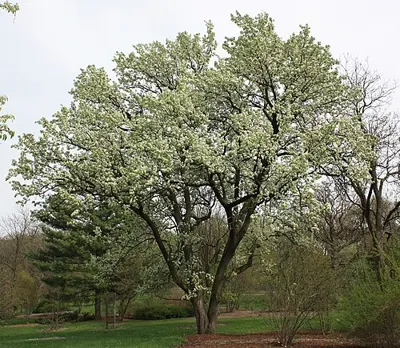
Legally regulated
Nursery-dealer prohibition (RSMo § 263.070.5(1)(d)) — registered nursery dealers may not knowingly import, export, buy, sell, transport, distribute or propagate it · detailsPhoto: Bruce Marlin, CC BY 3.0, Wikimedia Commons

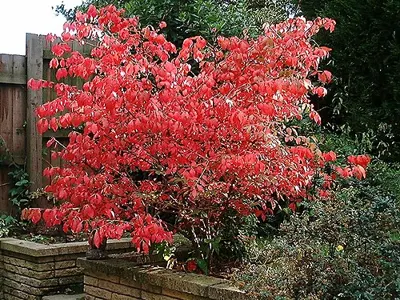
Legally regulated
Nursery-dealer prohibition (RSMo § 263.070.5(1)(d)) — registered nursery dealers may not knowingly import, export, buy, sell, transport, distribute or propagate it · detailsPhoto: Chris Barton/Gif absarnt, CC BY-SA 3.0, Wikimedia Commons

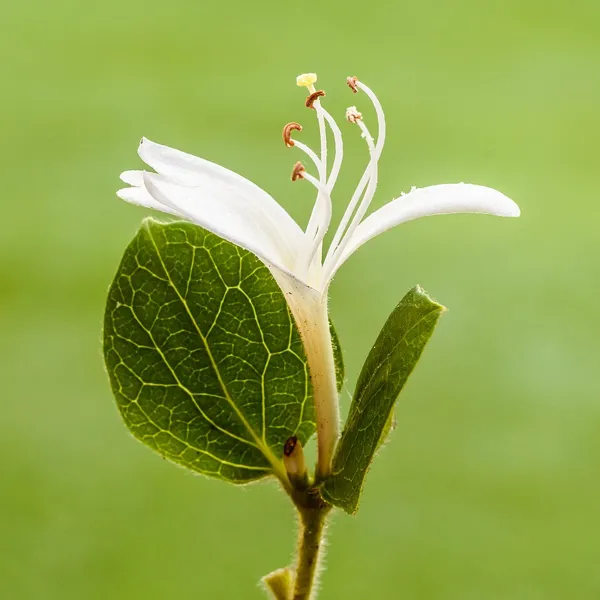
Legally regulated
Nursery-dealer prohibition (RSMo § 263.070.5(1)(d)) — registered nursery dealers may not knowingly import, export, buy, sell, transport, distribute or propagate it · detailsPhoto: Dominicus Johannes Bergsma, CC BY-SA 4.0, Wikimedia Commons

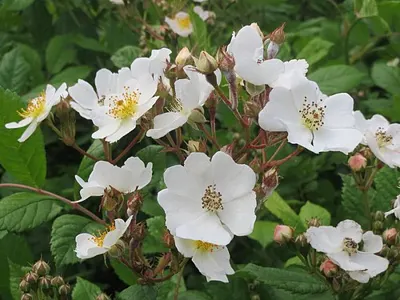
Legally regulated
Noxious weed (2 CSR 70-45.005) — sale prohibited (RSMo § 263.190.4); owners must control · detailsPhoto: AnRo0002, CC0, Wikimedia Commons

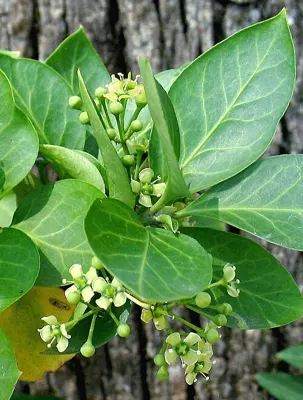
Legally regulated
Nursery-dealer prohibition (RSMo § 263.070.5(1)(d)) — registered nursery dealers may not knowingly import, export, buy, sell, transport, distribute or propagate itPhoto: James H. Miller, USDA Forest Service, Bugwood.org, CC BY 3.0, Wikimedia Commons

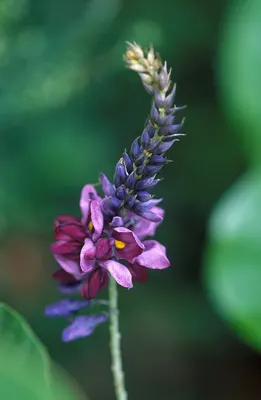
Legally regulated
Noxious weed (2 CSR 70-45.005) — sale prohibited (RSMo § 263.190.4); owners must control · detailsPhoto: Photo by Peggy Greb., Public domain, Wikimedia Commons

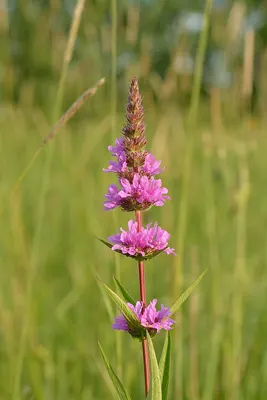
Legally regulated
Noxious weed (2 CSR 70-45.005) — sale prohibited (RSMo § 263.190.4); owners must control · detailsPhoto: Ivar Leidus, CC BY-SA 3.0, Wikimedia Commons

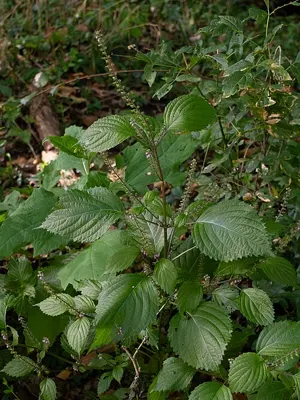
Legally regulated
Nursery-dealer prohibition (RSMo § 263.070.5(1)(d)) — registered nursery dealers may not knowingly import, export, buy, sell, transport, distribute or propagate itPhoto: Alex Abair, CC BY 4.0, Wikimedia Commons

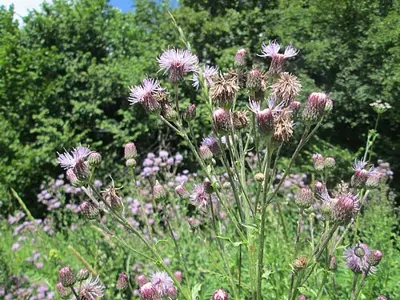
Legally regulated
Noxious weed (2 CSR 70-45.005) — sale prohibited (RSMo § 263.190.4); owners must controlPhoto: AnRo0002, CC0, Wikimedia Commons

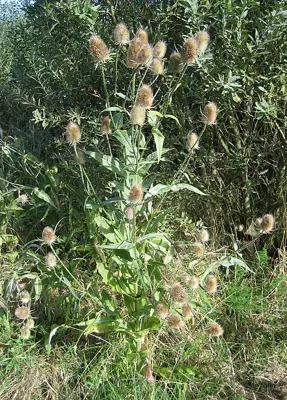
Legally regulated
Noxious weed (2 CSR 70-45.005) — sale prohibited (RSMo § 263.190.4); owners must controlPhoto: MPF, CC BY-SA 3.0, Wikimedia Commons

Noxious weed (2 CSR 70-45.005) — sale prohibited (RSMo § 263.190.4); owners must control (12)
| Scientific name | Common name / notes |
|---|---|
| Cirsium arvense | Canada thistle |
| Dipsacus fullonum | common teasel |
| Dipsacus laciniatus | cutleaf teasel |
| Convolvulus arvensis | field bindweed |
| Sorghum halepense | Johnson grass |
| Pueraria montana | kudzu |
| Cannabis sativa | marijuana |
| Rosa multiflora | multiflora rose |
| Carduus nutans | musk thistle |
| Lythrum salicaria | purple loosestrife, and any hybrids |
| Onopordum acanthium | Scotch thistle |
| Centaurea stoebe | spotted knapweed, all subspecies |
Check plants against Missouri law →
Informational only, not legal advice. Lists change; always check the official source linked above before you buy, sell, plant or move a plant. Lists checked 2026-10-14.
Is it illegal in Missouri? Quick answers
Is Bradford (Callery) pear illegal?Is Burning bush illegal?Is Japanese honeysuckle illegal?Is Kudzu illegal?Is Multiflora rose illegal?Is Purple loosestrife illegal?
Additional official listings (checked 2026-10-15)
Additional official listings (checked 2026-10-15)
From the sources added to this page's source list: RSMo § 263.070 (nursery dealer affidavit; Callery pear, burning bush, Japanese honeysuckle and others).
| Plant | Category | Note / date |
|---|---|---|
| Beefsteak plant (Perilla frutescens) | Nursery-dealer prohibition (RSMo § 263.070.5(1)(d)) — registered nursery dealers may not knowingly import, export, buy, sell, transport, distribute or propagate it | Perilla mint — prohibited from January 1, 2027 |
| Burning bush (Euonymus alatus) | Nursery-dealer prohibition (RSMo § 263.070.5(1)(d)) — registered nursery dealers may not knowingly import, export, buy, sell, transport, distribute or propagate it | Burning bush — statute names Euonymus alatus 'Compactus' — prohibited from January 1, 2029 |
| Callery pear (Pyrus calleryana) | Nursery-dealer prohibition (RSMo § 263.070.5(1)(d)) — registered nursery dealers may not knowingly import, export, buy, sell, transport, distribute or propagate it | Callery pear, all varieties and cultivars — prohibited from January 1, 2029 |
| Japanese honeysuckle (Lonicera japonica) | Nursery-dealer prohibition (RSMo § 263.070.5(1)(d)) — registered nursery dealers may not knowingly import, export, buy, sell, transport, distribute or propagate it | Japanese honeysuckle, all varieties and cultivars — prohibited from January 1, 2027 |
| Sericea lespedeza (Lespedeza cuneata) | Nursery-dealer prohibition (RSMo § 263.070.5(1)(d)) — registered nursery dealers may not knowingly import, export, buy, sell, transport, distribute or propagate it | Sericea lespedeza, all varieties and cultivars — prohibited from January 1, 2027 |
| Wintercreeper (Euonymus fortunei) | Nursery-dealer prohibition (RSMo § 263.070.5(1)(d)) — registered nursery dealers may not knowingly import, export, buy, sell, transport, distribute or propagate it | Climbing euonymus (statute names variety Coloratus only) — prohibited from January 1, 2027 |
Native swaps for Missouri
Instead of Bradford (Callery) pearInstead of Burning bushInstead of Japanese honeysuckleInstead of KudzuInstead of Multiflora roseInstead of Purple loosestrife
How the law works in Missouri
RSMo § 263.190 defines noxious weeds as those the Department of Agriculture designates by rule, requires owners to control them to prevent seeding, and states that "all sales of noxious weed species are prohibited." The list is 2 CSR 70-45.005 (12 species, effective March 30, 2012). Owners who knowingly let noxious weeds grow after a certified-mail notice and 15 days forfeit $100 per offense to the county (RSMo § 263.190.2-.3). Separately, since August 28, 2025 (2025 S.B. 105), nursery dealers and nurseries must swear in their annual affidavit not to knowingly import, export, buy, sell, transport, distribute or propagate Japanese honeysuckle, sericea lespedeza, perilla mint and climbing euonymus (Euonymus fortunei var. Coloratus) from January 1, 2027, or Callery pear and burning bush (the statute names "Euonymus alatus Compactus") from January 1, 2029 (RSMo § 263.070.3, .5(1)(d)).