 PlantLegit
Michigan: invasive & noxious plant laws
Free ZIP check + email reminders
In Michigan: 25 plants are named on Michigan's legal plant lists (noxious-weed or invasive-plant law, so restrictions apply). Some plants appear on more than one list.
Plain English: a “noxious weed” is a plant named on a state’s legal list, so selling or moving it is restricted; an “advisory” or “educational” invasive list is a warning, not a ban.
Sources (6)
- MCL 324.41301 (definitions of prohibited and restricted species) – Michigan Legislature
- MDARD — Michigan Prohibited and Restricted Weeds (PDF) – Michigan Department of Agriculture & Rural Development (Michigan.gov)
- Michigan Invasive Species — State laws and regulations (orders) – Michigan Department of Agriculture & Rural Development (Michigan.gov)
- MDARD news, May 21, 2026: six species added – Michigan Department of Agriculture & Rural Development (Michigan.gov)
- MCL 324.41303 and 324.41305 — possession and introduction of prohibited and restricted species (Michigan Legislature)
- Federal Noxious Weed List, 7 CFR § 360.200 (USDA APHIS) — applies in every state – Electronic Code of Federal Regulations (eCFR)
New laws coming: several states phase in plant bans 2027–2030. See dates and sources →
Top 10 plants to remove in Michigan (with photos)
These are common yard plants on Michigan's official or state-agency lists. Legally regulated plants come first, then plants covered only by a store-sign law, then plants listed as invasive for education only, which are not banned. Legal status is not the same as having to remove a plant you already own, so check the category under each photo. Swap them for natives: native alternatives →
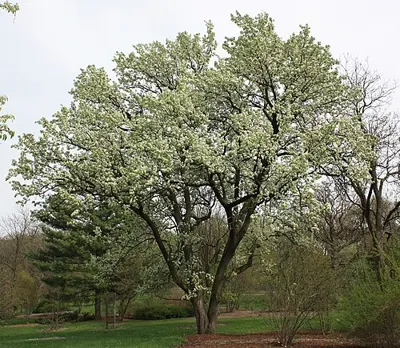
Legally regulated
Restricted species — MDARD order (Commission of Agriculture and Rural Development vote May 20, 2026, under NREPA Part 413), effective January 1, 2028 — no introduction, import, sale, possession with intent to distribute, or intentional propagation · detailsPhoto: Bruce Marlin, CC BY 3.0, Wikimedia Commons

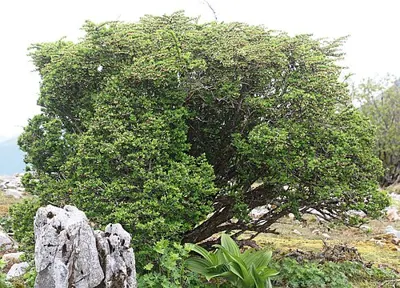
Legally regulated
Restricted species — MDARD order (Commission of Agriculture and Rural Development vote May 20, 2026, under NREPA Part 413), effective January 1, 2028 — no introduction, import, sale, possession with intent to distribute, or intentional propagation · detailsPhoto: Alpsdake, CC BY-SA 4.0, Wikimedia Commons

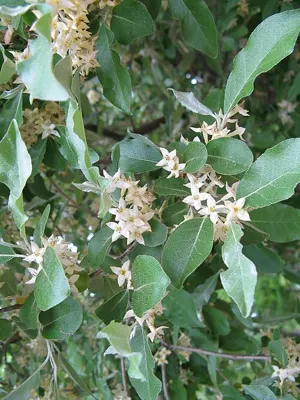
Legally regulated
Restricted species (NREPA Part 413, MCL 324.41301 and 324.41303) — no possessing, introducing, importing or selling as a live plant, except as the law allows · detailsPhoto: KENPEI, CC BY-SA 3.0, Wikimedia Commons

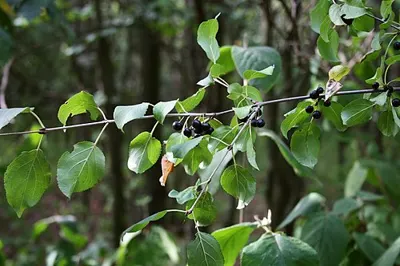
Legally regulated
Restricted species — MDARD order (Commission of Agriculture and Rural Development vote May 20, 2026, under NREPA Part 413), effective January 1, 2028 — no introduction, import, sale, possession with intent to distribute, or intentional propagation · detailsPhoto: Franz Xaver, CC BY-SA 3.0, Wikimedia Commons

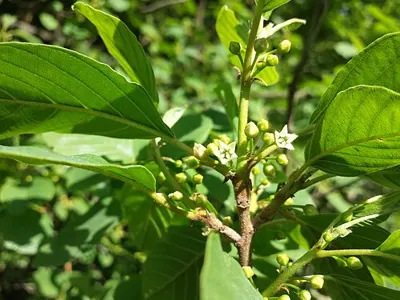
Legally regulated
Restricted species — MDARD order (Commission of Agriculture and Rural Development vote May 20, 2026, under NREPA Part 413), effective January 1, 2028 — no introduction, import, sale, possession with intent to distribute, or intentional propagation · detailsPhoto: Stefan.lefnaer, CC BY-SA 4.0, Wikimedia Commons

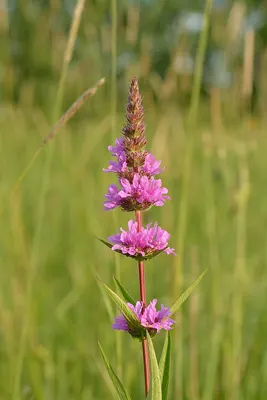
Legally regulated
Restricted species (NREPA Part 413, MCL 324.41301 and 324.41303) — no possessing, introducing, importing or selling as a live plant, except as the law allows · detailsPhoto: Ivar Leidus, CC BY-SA 3.0, Wikimedia Commons

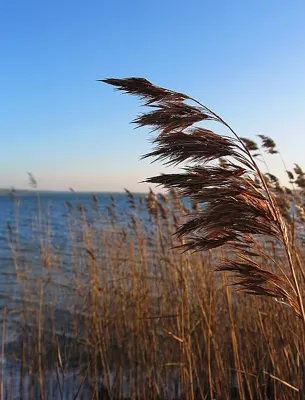
Legally regulated
Restricted species (NREPA Part 413, MCL 324.41301 and 324.41303) — no possessing, introducing, importing or selling as a live plant, except as the law allowsPhoto: Darkone (talk · contribs), CC BY-SA 2.0, Wikimedia Commons

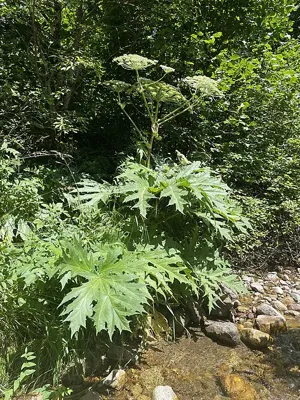
Legally regulated
Prohibited species (NREPA Part 413, MCL 324.41301) — no possession, import, sale or introductionPhoto: anastasiiamerkulova, CC BY 4.0, Wikimedia Commons

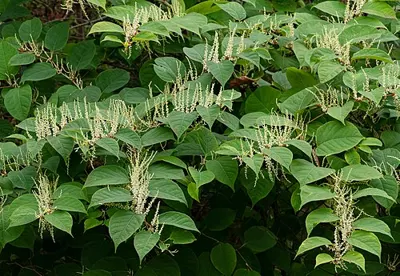
Legally regulated
Prohibited species (NREPA Part 413, MCL 324.41301) — no possession, import, sale or introductionPhoto: W.carter, CC0, Wikimedia Commons

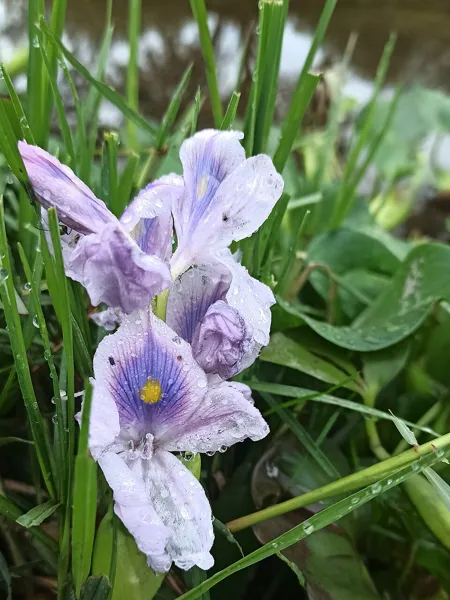
Legally regulated
Prohibited species (NREPA Part 413, MCL 324.41301) — no possession, import, sale or introductionPhoto: Juan Carlos Fonseca Mata, CC BY-SA 4.0, Wikimedia Commons

Prohibited species (NREPA Part 413, MCL 324.41301) — no possession, import, sale or introduction (15)
| Scientific name | Common name / notes |
|---|---|
| Cabomba caroliniana | fanwort |
| Egeria densa | Brazilian elodea |
| Fallopia japonica (syn. Reynoutria japonica), incl. hybrids Fallopia x bohemica | Japanese knotweed |
| Heracleum mantegazzianum | giant hogweed |
| Hydrilla verticillata | hydrilla |
| Hydrocharis morsus-ranae | European frogbit |
| Lagarosiphon major | African oxygen weed |
| Myriophyllum aquaticum | parrot's feather |
| Nitellopsis obtusa | starry stonewort (an alga) |
| Nymphoides peltata | yellow floating heart |
| Salvinia molesta, S. auriculata, S. biloba, S. herzogii | giant salvinia |
| Stratiotes aloides | water soldier |
| Trapa natans | water chestnut |
| Eichhornia crassipes (syn. Pontederia crassipes) | water hyacinth — prohibited from June 19, 2026 |
| Pistia stratiotes | water lettuce — prohibited from June 19, 2026 |
Restricted species (NREPA Part 413, MCL 324.41301 and 324.41303) — no possessing, introducing, importing or selling as a live plant, except as the law allows (10)
| Scientific name | Common name / notes |
|---|---|
| Butomus umbellatus | flowering rush |
| Elaeagnus umbellata | autumn olive |
| Lythrum salicaria | purple loosestrife (MDARD-approved sterile cultivars excepted) |
| Myriophyllum spicatum | Eurasian watermilfoil |
| Phragmites australis | phragmites, common reed |
| Potamogeton crispus | curly leaf pondweed |
| Pyrus calleryana | callery pear — restricted from January 1, 2028 |
| Rhamnus cathartica | common buckthorn — restricted from January 1, 2028 |
| Frangula alnus (syn. Rhamnus frangula) | glossy buckthorn — restricted from January 1, 2028 |
| Berberis thunbergii | Japanese barberry — restricted from January 1, 2028 |
Check plants against Michigan law →
Informational only, not legal advice. Lists change; always check the official source linked above before you buy, sell, plant or move a plant. Lists checked 2026-10-14.
Is it illegal in Michigan? Quick answers
Is Autumn olive illegal?Is Bradford (Callery) pear illegal?Is Common buckthorn illegal?Is Glossy buckthorn illegal?Is Japanese barberry illegal?Is Japanese knotweed illegal?Is Purple loosestrife illegal?
Native swaps for Michigan
Instead of Autumn oliveInstead of Bradford (Callery) pearInstead of Common buckthornInstead of Glossy buckthornInstead of Japanese barberryInstead of Japanese knotweedInstead of Purple loosestrife
How the law works in Michigan
Michigan's Natural Resources and Environmental Protection Act, Part 413 (MCL 324.41301 et seq.), defines prohibited and restricted species; MDARD and DNR add species by Invasive Species Order. Water soldier was added by order in 2015; MDARD Invasive Species Order of May 20, 2026 added water hyacinth and water lettuce (prohibited from June 19, 2026) and callery pear, common buckthorn, glossy buckthorn and Japanese barberry (restricted from January 1, 2028). Michigan's Seed Law also lists noxious weed seeds that may not contaminate seed for sale (not shown). Under Part 413 it is unlawful to possess, introduce, import, sell or offer for sale a live prohibited or restricted species, except in limited cases such as control work or a permit (Michigan Invasive Species Program; MCL 324.41303, 324.41305). A plant growing on your land does not count as possession unless you knowingly introduced it there (MCL 324.41301(2)(a)).