 PlantLegit
Maryland: invasive & noxious plant laws
Free ZIP check + email reminders
In Maryland: 26 plants are named on Maryland's legal plant lists (noxious-weed or invasive-plant law, so restrictions apply).
Plain English: a “noxious weed” is a plant named on a state’s legal list, so selling or moving it is restricted; an “advisory” or “educational” invasive list is a warning, not a ban.
Sources (6)
- MDA — Maryland Prohibited Invasive Plant Law and Regulations (list updated July 2026) – Maryland Department of Agriculture
- COMAR 15.06.04.04 Prohibitions – Code of Maryland Regulations
- COMAR 15.06.04.06 Prohibited plants and Watch List – Code of Maryland Regulations
- COMAR 15.06.04 Regulation of Invasive Plants — chapter page with administrative history (amended effective Jan 15, 2026, adopted permanently July 20, 2026; Tier 2 sign rule .07 repealed) – Code of Maryland Regulations
- COMAR 15.06.05.03 Noxious Weed List (Maryland's separate agricultural noxious-weed law) – Code of Maryland Regulations
- Federal Noxious Weed List, 7 CFR § 360.200 (USDA APHIS) — applies in every state – Electronic Code of Federal Regulations (eCFR)
New laws coming: several states phase in plant bans 2027–2030. See dates and sources →
Top 10 plants to remove in Maryland (with photos)
These are common yard plants on Maryland's official or state-agency lists. Legally regulated plants come first, then plants covered only by a store-sign law, then plants listed as invasive for education only, which are not banned. Legal status is not the same as having to remove a plant you already own, so check the category under each photo. Swap them for natives: native alternatives →
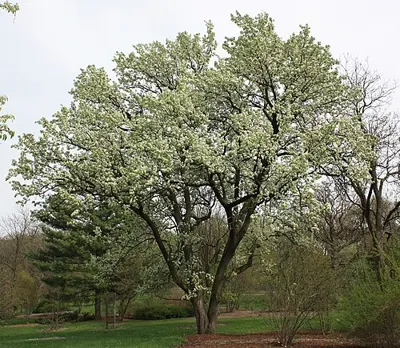
Legally regulated
Prohibited invasive plant (MD Consolidated List) · detailsPhoto: Bruce Marlin, CC BY 3.0, Wikimedia Commons

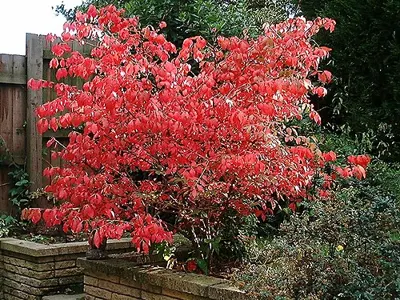
Legally regulated
Prohibited invasive plant (MD Consolidated List) · detailsPhoto: Chris Barton/Gif absarnt, CC BY-SA 3.0, Wikimedia Commons

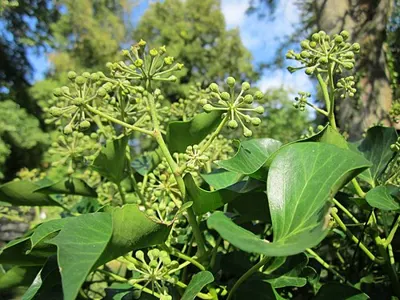
Legally regulated
Prohibited invasive plant (MD Consolidated List) · detailsPhoto: AnRo0002, CC0, Wikimedia Commons

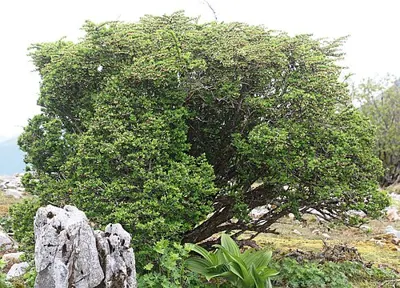
Legally regulated
Prohibited invasive plant (MD Consolidated List) · detailsPhoto: Alpsdake, CC BY-SA 4.0, Wikimedia Commons

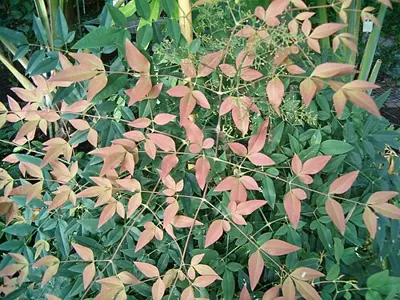
Legally regulated
Prohibited invasive plant (MD Consolidated List) · detailsPhoto: BotBln (Commons uploader; see source page), CC BY-SA 3.0, Wikimedia Commons

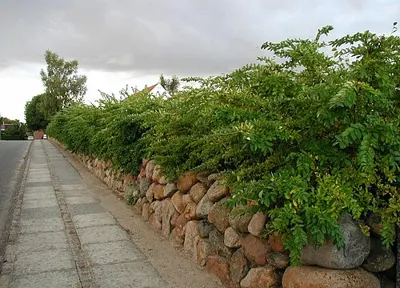
Legally regulated
Prohibited invasive plant (MD Consolidated List) · detailsPhoto: Sten Porse, CC BY-SA 3.0, Wikimedia Commons

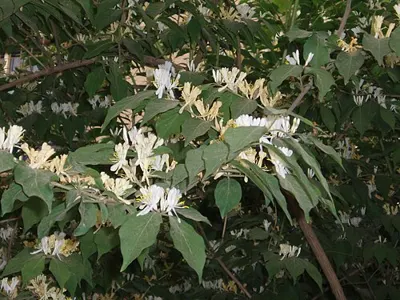
Legally regulated
Prohibited invasive plant (MD Consolidated List) · detailsPhoto: Taken by Fanghong, CC BY 2.5, Wikimedia Commons

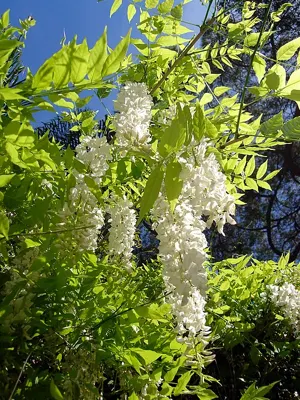
Legally regulated
Prohibited invasive plant (MD Consolidated List) · detailsPhoto: RedCoat, CC BY-SA 2.0, Wikimedia Commons

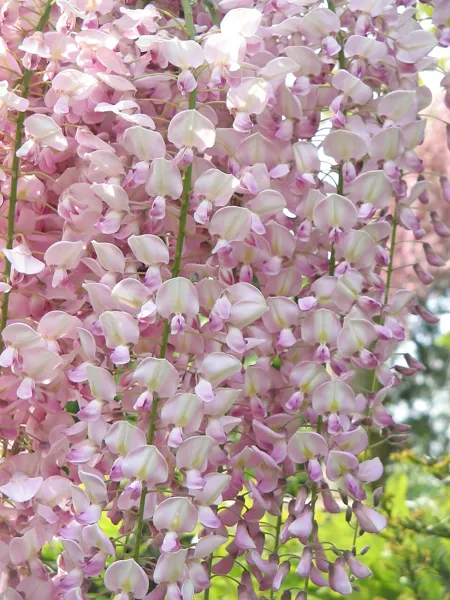
Legally regulated
Prohibited invasive plant (MD Consolidated List) · detailsPhoto: Meneerke bloem, CC BY-SA 3.0, Wikimedia Commons

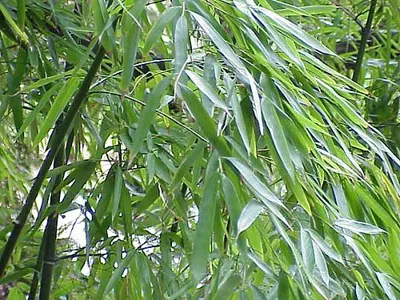
Legally regulated
Prohibited invasive plant (MD Consolidated List) · detailsPhoto: Kurt Stüber [1], CC BY-SA 3.0, Wikimedia Commons

Prohibited invasive plant (MD Consolidated List) (26)
| Scientific name | Common name / notes |
|---|---|
| Akebia quinata | Chocolate vine — listed effective 7/15/2026 |
| Aralia elata | Japanese angelica tree — listed effective 1/15/2026 |
| Berberis bealei (syn. Mahonia bealei) | Leatherleaf mahonia — listed effective 7/15/2026 |
| Berberis thunbergii | Japanese barberry — listed effective 1/15/2026 |
| Cenchrus alopecuroides (syn. C. purpurascens, Pennisetum alopecuroides) | Chinese fountain grass — listed effective 7/15/2026 |
| Corydalis incisa | Incised fumewort — listed effective 6/1/2024 |
| Cytisus scoparius | Scotch broom — listed effective 1/15/2026 |
| Euonymus alatus | Burning bush, winged euonymus — listed effective 1/15/2026 |
| Euonymus fortunei | Wintercreeper — listed effective 6/1/2024 |
| Ficaria verna | Fig buttercup, lesser celandine — listed effective 6/1/2024 |
| Geranium lucidum | Shining geranium — listed effective 6/1/2024 |
| Hedera helix | English ivy — listed effective 7/15/2026 |
| Hedera hibernica | Atlantic ivy — listed effective 7/15/2026 |
| Hemerocallis fulva | Orange daylily, ditch lily — listed effective 7/15/2026 |
| Iris pseudacorus | Yellow flag iris — listed effective 6/1/2024 |
| Ligustrum obtusifolium | Border privet — listed effective 1/15/2026 |
| Lonicera maackii | Amur honeysuckle — listed effective 6/1/2024 |
| Miscanthus sinensis | Chinese silvergrass — listed effective 7/15/2026 |
| Nandina domestica | Nandina, sacred bamboo — listed effective 1/15/2026 |
| Phyllostachys aurea | Golden bamboo — listed effective 1/15/2026 |
| Phyllostachys aureosulcata | Yellow groove bamboo — listed effective 1/15/2026 |
| Pyrus calleryana | Callery pear — listed effective 1/15/2026 |
| Tetradium daniellii | Bee bee tree — listed effective 1/15/2026 |
| Wisteria floribunda | Japanese wisteria — listed effective 1/15/2026 |
| Wisteria sinensis | Chinese wisteria — listed effective 1/15/2026 |
| Wisteria x formosa | Japanese x Chinese wisteria hybrid — listed effective 1/15/2026 |
Exempt cultivars (4)
These named cultivars are exempt from the listing above (official source). The species itself remains listed.
| Scientific name | Common name / notes |
|---|---|
| Berberis thunbergii 'UCONNBTB048' Lemon Glow | exempt |
| Nandina domestica 'AKA' (Blush Pink) | exempt |
| Nandina domestica 'Firepower' | exempt |
| Nandina domestica 'Lemon-Lime' | exempt |
Check plants against Maryland law →
Informational only, not legal advice. Lists change; always check the official source linked above before you buy, sell, plant or move a plant. Lists checked 2026-10-14.
Is it illegal in Maryland? Quick answers
Is Amur honeysuckle illegal?Is Border privet illegal?Is Bradford (Callery) pear illegal?Is Burning bush illegal?Is Chinese wisteria illegal?Is English ivy illegal?Is Golden bamboo illegal?Is Japanese barberry illegal?Is Japanese wisteria illegal?Is Miscanthus (maiden grass) illegal?Is Nandina (heavenly bamboo) illegal?Is Yellow groove bamboo illegal?
Native swaps for Maryland
Instead of Amur honeysuckleInstead of Border privetInstead of Bradford (Callery) pearInstead of Burning bushInstead of Chinese wisteriaInstead of English ivyInstead of Golden bambooInstead of Japanese barberryInstead of Japanese wisteriaInstead of Miscanthus (maiden grass)Instead of Nandina (heavenly bamboo)Instead of Yellow groove bamboo
How the law works in Maryland
Under Md. Code, Agriculture Title 9.5 and COMAR 15.06.04, nobody may propagate, import, transfer, sell, purchase, transport or introduce a living part of a plant on the Maryland Prohibited Invasive Plant List (MDA). Existing stock gets a phase-out period (1 year potted, 2 years in-ground). MDA has exempted a few cultivars, e.g. Berberis thunbergii 'UCONNBTB048' (Lemon Glow) and Nandina domestica 'Firepower', 'Lemon-Lime' and 'AKA' (Blush Pink). Maryland also has a separate agricultural noxious-weed law; its list (COMAR 15.06.05.03) names Johnsongrass, shattercane, four thistles (Canada, musk, plumless and bull), Palmer amaranth and tall waterhemp. Maryland no longer splits its list into Tier 1 and Tier 2: the rules were amended effective January 15, 2026 (made permanent July 20, 2026), and the old Tier 2 store-sign rule (COMAR 15.06.04.07) was repealed. After a plant's effective date, sellers may not acquire new stock of it, and during the phase-out they may sell only stock they already had (COMAR 15.06.04.06B). The MDA table gives the species listed June 1, 2024 no later phase-out date.