 PlantLegit
Iowa: invasive & noxious plant laws
Free ZIP check + email reminders
In Iowa: 9 plants are named on Iowa's legal plant lists (noxious-weed or invasive-plant law, so restrictions apply). 26 are on a noxious-weed control list: control duties may apply, but we found no sale ban in that law. Some plants appear on more than one list.
Plain English: a “noxious weed” is a plant named on a state’s legal list, so selling or moving it is restricted; an “advisory” or “educational” invasive list is a warning, not a ban.
Sources (3)
New laws coming: several states phase in plant bans 2027–2030. See dates and sources →
Top 10 plants to remove in Iowa (with photos)
These are common yard plants on Iowa's official or state-agency lists. Legally regulated plants come first, then plants covered only by a store-sign law, then plants listed as invasive for education only, which are not banned. Legal status is not the same as having to remove a plant you already own, so check the category under each photo. Swap them for natives: native alternatives →
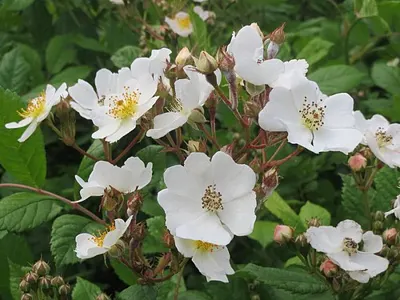
Legally regulated
Invasive plant sale ban (Iowa Code § 317.25) — no importing, selling, offering for sale or distributing in any form, including seeds · detailsPhoto: AnRo0002, CC0, Wikimedia Commons

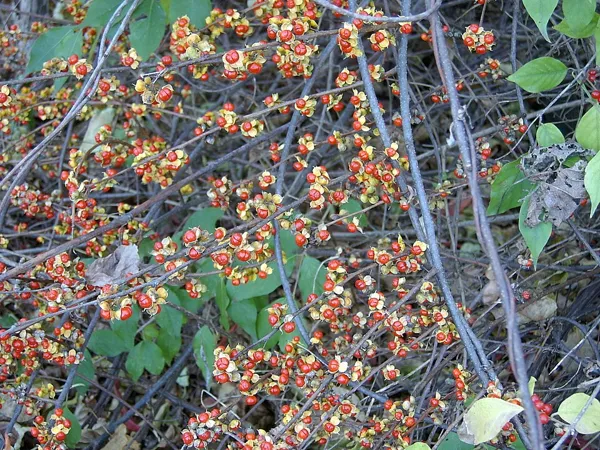
Legally regulated
Invasive plant sale ban (Iowa Code § 317.25) — no importing, selling, offering for sale or distributing in any form, including seeds · detailsPhoto: Cbaile19, CC0, Wikimedia Commons

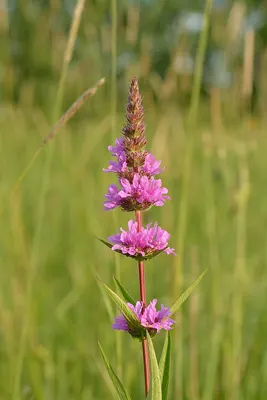
Legally regulated
Invasive plant sale ban (Iowa Code § 317.25) — no importing, selling, offering for sale or distributing in any form, including seeds · detailsPhoto: Ivar Leidus, CC BY-SA 3.0, Wikimedia Commons

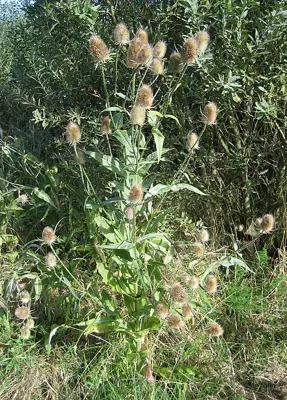
Legally regulated
Invasive plant sale ban (Iowa Code § 317.25) — no importing, selling, offering for sale or distributing in any form, including seedsPhoto: MPF, CC BY-SA 3.0, Wikimedia Commons

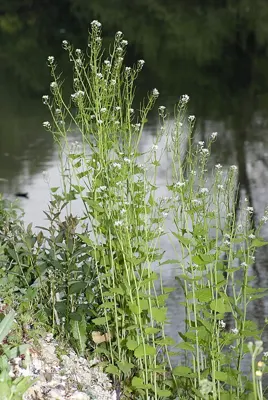
Legally regulated
Invasive plant sale ban (Iowa Code § 317.25) — no importing, selling, offering for sale or distributing in any form, including seedsPhoto: O. Pichard, CC BY-SA 3.0, Wikimedia Commons

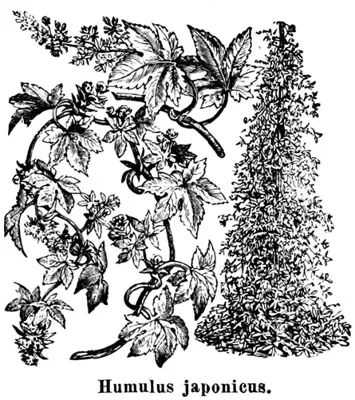
Legally regulated
Invasive plant sale ban (Iowa Code § 317.25) — no importing, selling, offering for sale or distributing in any form, including seedsPhoto: Prof. Dr. Carl Lebrecht Udo Dammer (8.1.1860–20.11.1919), Public domain, Wikimedia Commons

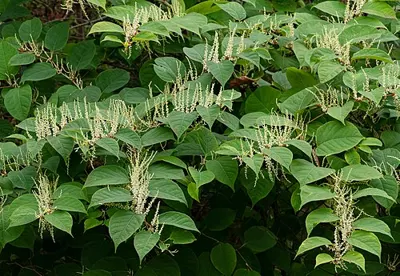
Legally regulated
Invasive plant sale ban (Iowa Code § 317.25) — no importing, selling, offering for sale or distributing in any form, including seedsPhoto: W.carter, CC0, Wikimedia Commons

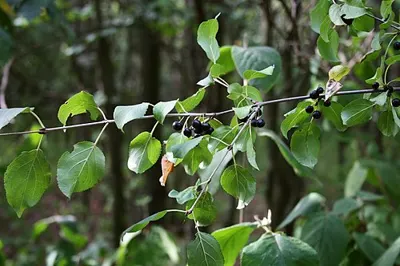
Listed invasive, not a ban
Primary noxious weed (Iowa Code § 317.1A), control list — not a sale ban · detailsPhoto: Franz Xaver, CC BY-SA 3.0, Wikimedia Commons

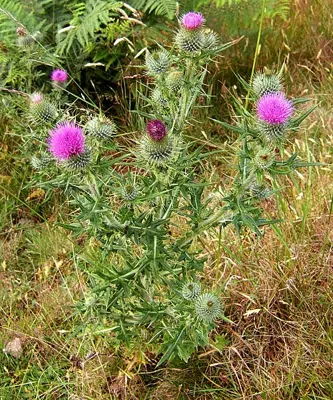
Listed invasive, not a ban
Primary noxious weed (Iowa Code § 317.1A), control list — not a sale banPhoto: Sciadopitys from UK, CC BY-SA 2.0, Wikimedia Commons

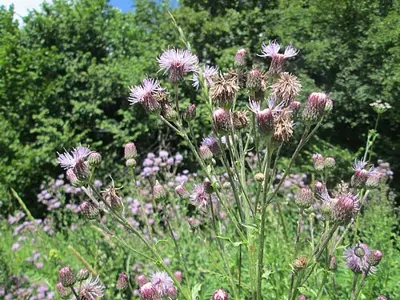
Listed invasive, not a ban
Primary noxious weed (Iowa Code § 317.1A), control list — not a sale banPhoto: AnRo0002, CC0, Wikimedia Commons

Primary noxious weed (Iowa Code § 317.1A), control list — not a sale ban (12)
| Scientific name | Common name / notes |
|---|---|
| Elymus repens | quack grass |
| Sonchus arvensis | perennial sow thistle |
| Cirsium arvense | Canada thistle |
| Cirsium vulgare | bull thistle |
| Convolvulus arvensis | European morning glory, field bindweed |
| Solanum carolinense | horse nettle (a native plant) |
| Euphorbia esula | leafy spurge |
| Cardaria draba (syn. Lepidium draba) | perennial pepper-grass |
| Acroptilon repens | Russian knapweed |
| Rhamnus spp. (not Frangula alnus) | buckthorn |
| Cirsium spp. and Carduus spp. | all other thistles in these genera, including native Cirsium |
| Amaranthus palmeri | Palmer amaranth |
Secondary noxious weed (Iowa Code § 317.1A), control list — § 317.1A is not a sale ban, but teasel and multiflora rose are also on the § 317.25 sale-ban list (14)
| Scientific name | Common name / notes |
|---|---|
| Abutilon theophrasti | butterprint, velvetleaf |
| Xanthium strumarium | cocklebur |
| Sinapis arvensis | wild mustard |
| Daucus carota | wild carrot |
| Plantago lanceolata | buckhorn |
| Rumex acetosella | sheep sorrel |
| Rumex crispus | sour dock |
| Rumex altissimus | smooth dock |
| Conium maculatum | poison hemlock |
| Rosa multiflora | multiflora rose — not noxious when cultivated as rose understock or garden ornamental, or where the county board says so |
| Helianthus annuus (wild strain) | wild sunflower |
| Tribulus terrestris | puncture vine |
| Dipsacus spp. | teasel |
| Sorghum bicolor | shattercane — not noxious when cultivated |
Check plants against Iowa law →
Informational only, not legal advice. Lists change; always check the official source linked above before you buy, sell, plant or move a plant. Lists checked 2026-10-14.
Is it illegal in Iowa? Quick answers
Is Common buckthorn illegal?Is Japanese knotweed illegal?Is Multiflora rose illegal?Is Oriental bittersweet illegal?Is Purple loosestrife illegal?
Additional official listings (checked 2026-10-15)
Additional official listings (checked 2026-10-15)
From the sources added to this page's source list: Iowa Code § 317.25 — invasive plants prohibited: no import, sale, offer for sale or distribution (teasel, multiflora rose, purple loosestrife, garlic mustard, Oriental bittersweet, Japanese knotweed, Japanese hop, Palmer amaranth).
| Plant | Category | Note / date |
|---|---|---|
| Common teasel (Dipsacus fullonum) | Invasive plant sale ban (Iowa Code § 317.25) — no importing, selling, offering for sale or distributing in any form, including seeds | teasel (all Dipsacus) |
| Garlic mustard (Alliaria petiolata) | Invasive plant sale ban (Iowa Code § 317.25) — no importing, selling, offering for sale or distributing in any form, including seeds | garlic mustard |
| Japanese hops (Humulus japonicus) | Invasive plant sale ban (Iowa Code § 317.25) — no importing, selling, offering for sale or distributing in any form, including seeds | Japanese hop |
| Japanese knotweed (Reynoutria japonica) | Invasive plant sale ban (Iowa Code § 317.25) — no importing, selling, offering for sale or distributing in any form, including seeds | Japanese knotweed |
| Multiflora rose (Rosa multiflora) | Invasive plant sale ban (Iowa Code § 317.25) — no importing, selling, offering for sale or distributing in any form, including seeds | multiflora rose — exception: sale as understock for cultivated roses or ornamental shrubs in gardens (§ 317.25(1)(b)) |
| Oriental bittersweet (Celastrus orbiculatus) | Invasive plant sale ban (Iowa Code § 317.25) — no importing, selling, offering for sale or distributing in any form, including seeds | Oriental bittersweet |
| Palmer amaranth (Amaranthus palmeri) | Invasive plant sale ban (Iowa Code § 317.25) — no importing, selling, offering for sale or distributing in any form, including seeds | Palmer amaranth |
| Purple loosestrife (Lythrum salicaria) | Invasive plant sale ban (Iowa Code § 317.25) — no importing, selling, offering for sale or distributing in any form, including seeds | purple loosestrife |
| Wand loosestrife (Lythrum virgatum) | Invasive plant sale ban (Iowa Code § 317.25) — no importing, selling, offering for sale or distributing in any form, including seeds | purple loosestrife (the statute lists Lythrum virgatum as a separate entry) |
Native swaps for Iowa
Instead of Common buckthornInstead of Japanese knotweedInstead of Multiflora roseInstead of Oriental bittersweetInstead of Purple loosestrife
How the law works in Iowa
Iowa Code chapter 317 requires landowners to control or destroy the noxious weeds named in § 317.1A, enforced by county weed commissioners; counties may declare more weeds noxious locally. The law is a control duty, not a ban on growing or selling these plants (seed sold in Iowa must meet the separate Iowa seed law limits). Multiflora rose and shattercane are not noxious when cultivated as the statute describes.