 PlantLegit
Arizona: invasive & noxious plant laws
Free ZIP check + email reminders
In Arizona: 60 plants are named on Arizona's legal plant lists (noxious-weed or invasive-plant law, so restrictions apply). Some plants appear on more than one list.
Plain English: a “noxious weed” is a plant named on a state’s legal list, so selling or moving it is restricted; an “advisory” or “educational” invasive list is a warning, not a ban.
Sources (7)
- A.A.C. R3-4-245 Noxious Weeds – Cornell Law School Legal Information Institute
- Table 4 Class A – Cornell Law School Legal Information Institute
- Table 5 Class B – Cornell Law School Legal Information Institute
- Table 6 Class C – Cornell Law School Legal Information Institute
- Arizona Dept. of Agriculture — Noxious Weeds – Arizona Department of Agriculture
- 3 A.A.C. 4 (official text, Supp. 25-1) — R3-4-245 Noxious Weeds and Tables 4–6 (Class A, B and C) – Arizona Secretary of State
- Federal Noxious Weed List, 7 CFR § 360.200 (USDA APHIS) — applies in every state – Electronic Code of Federal Regulations (eCFR)
New laws coming: several states phase in plant bans 2027–2030. See dates and sources →
Top 10 plants to remove in Arizona (with photos)
These are common yard plants on Arizona's official or state-agency lists. Legally regulated plants come first, then plants covered only by a store-sign law, then plants listed as invasive for education only, which are not banned. Legal status is not the same as having to remove a plant you already own, so check the category under each photo. Swap them for natives: native alternatives →
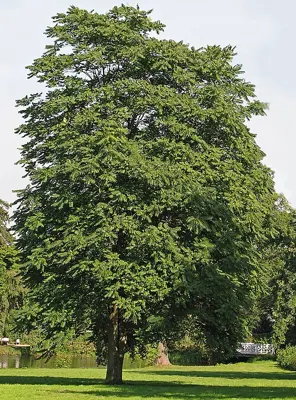
Legally regulated
Class C noxious weed (Table 6) · detailsPhoto: Darkone (talk · contribs), CC BY-SA 2.5, Wikimedia Commons

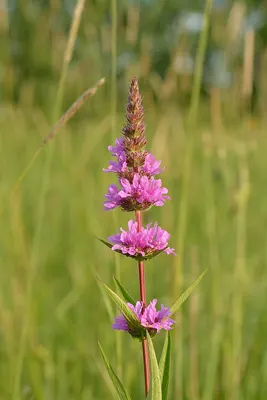
Legally regulated
Class A noxious weed (A.A.C. R3-4-245, Table 4) · detailsPhoto: Ivar Leidus, CC BY-SA 3.0, Wikimedia Commons

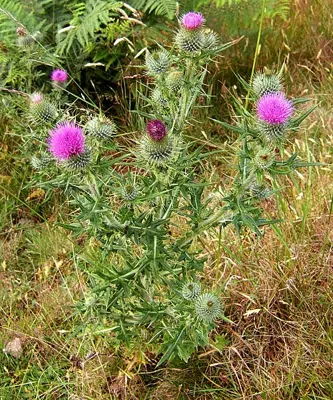
Legally regulated
Class B noxious weed (Table 5)Photo: Sciadopitys from UK, CC BY-SA 2.0, Wikimedia Commons

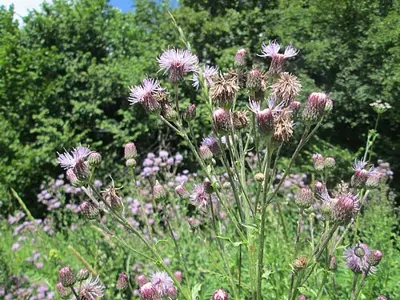
Legally regulated
Class A noxious weed (A.A.C. R3-4-245, Table 4)Photo: AnRo0002, CC0, Wikimedia Commons

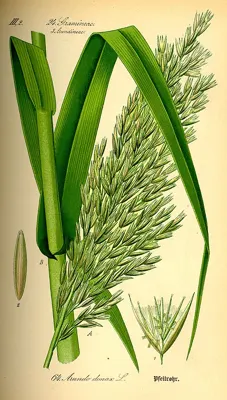
Legally regulated
Class B noxious weed (Table 5)Photo: Unknown author, Public domain, Wikimedia Commons

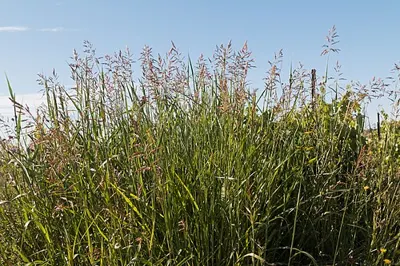
Legally regulated
Class C noxious weed (Table 6)Photo: Daniel VILLAFRUELA., CC BY-SA 4.0, Wikimedia Commons

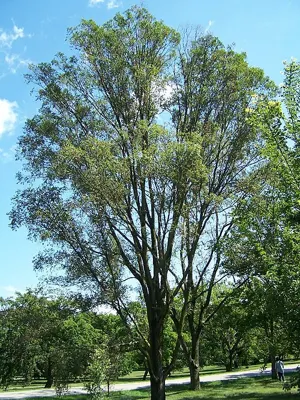
Legally regulated
Class B noxious weed (Table 5)Photo: Bruce Marlin, CC BY-SA 3.0, Wikimedia Commons

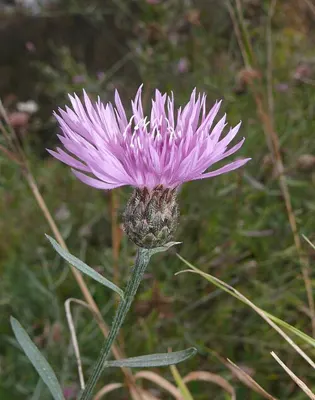
Legally regulated
Class A noxious weed (A.A.C. R3-4-245, Table 4)Photo: Bernd Haynold, CC BY-SA 3.0, Wikimedia Commons

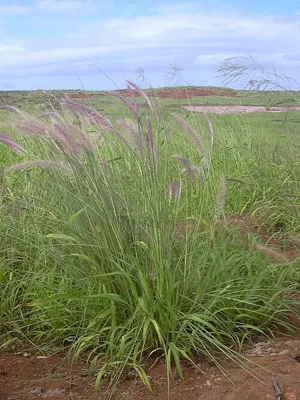
Legally regulated
Class C noxious weed (Table 6)Photo: Forest & Kim Starr, CC BY 3.0, Wikimedia Commons

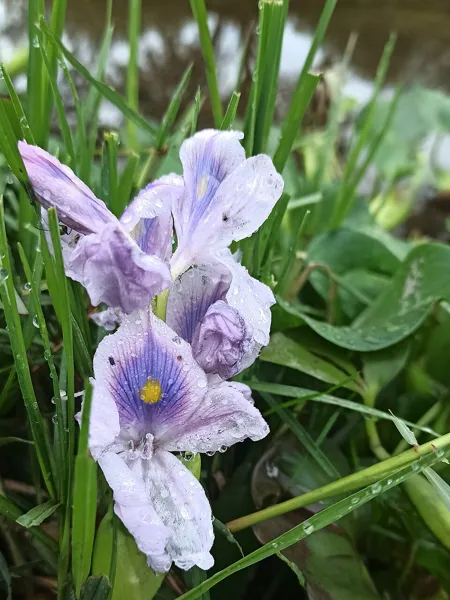
Legally regulated
Class A noxious weed (A.A.C. R3-4-245, Table 4)Photo: Juan Carlos Fonseca Mata, CC BY-SA 4.0, Wikimedia Commons

Class A noxious weed (A.A.C. R3-4-245, Table 4) (19)
| Scientific name | Common name / notes |
|---|---|
| Peganum harmala | African rue |
| Cirsium arvense | Canada thistle |
| Cucumis melo v. Dudaim Naudin | Dudaim melon |
| Isatis tinctoria | Dyer's woad |
| Eichhornia crassipes | Floating water hyacinth |
| Salvinia molesta | Giant salvinia |
| Lepidium (Cardaria) draba | Globe-podded hoary cress |
| Hydrilla verticillata | Hydrilla |
| Euphorbia esula | Leafy spurge |
| Carduus acanthoides | Plumeless thistle |
| Lythrum salicaria | Purple loosestrife |
| Centaurea calcitrapa | Purple starthistle |
| Elymus repens (Elytrigia repens) | Quackgrass |
| Chondrilla juncea | Rush skeletonweed |
| Cenchrus echinatus | Southern sandbur |
| Centaurea stoebe ssp. micranthos | Spotted knapweed |
| Euryops subcarnosus | Sweet resinbush |
| Carrichtera annua | Ward's weed |
| Sinapis arvensis | Wild mustard |
Class B noxious weed (Table 5) (24)
| Scientific name | Common name / notes |
|---|---|
| Searsia lancea | African sumac |
| Brassica nigra | Black mustard |
| Orobanche ramosa | Branched broomrape |
| Cirsium vulgare | Bull thistle |
| Alhagi maurorum (A. pseudalhagi) | Camelthorn |
| Linaria dalmatica (L genistifolia v. dalmatica) | Dalmatian toadflax |
| Centaurea diffusa | Diffuse knapweed |
| Cenchrus spinifex (synonym: C. incertus) | Field sandbur |
| Arundo donax | Giant reed |
| Halogeton glomeratus | Halogeton |
| Aegilops cylindrica | Jointed goatgrass |
| Centaurea melitensis | Malta starthistle |
| Carduus nutans | Musk thistle |
| Melinis repens | Natal grass |
| Asphodelus fistulosus | Onionweed |
| Bromus diandrus | Ripgut brome |
| Acroptilon repens | Russian knapweed |
| Elaeagnus angustifolia | Russian olive |
| Brassica tournefortii | Saharan mustard |
| Ulmus pumila | Siberian elm |
| Oncosiphon pilulifer (O. piluliferum) | Stinknet (Globe chamomile) |
| Onopordum acanthium | Scotch thistle |
| Bothriochloa ischaemum | Yellow bluestem |
| Centaurea solstitialis | Yellow starthistle |
Class C noxious weed (Table 6) (17)
| Scientific name | Common name / notes |
|---|---|
| Cenchrus ciliaris (Pennisetum ciliare) | Buffelgrass |
| Bromus tectorum | Cheatgrass |
| Convolvulus arvensis | Field bindweed |
| Pennisetum setaceum | Fountain grass |
| Ipomoea purpurea | Garden or common morning glory |
| Ipomoea tricolor | Grannyvine |
| Ipomoea hederacea | Ivy-leaf morning glory |
| Sorghum halepense | Johnsongrass |
| Kochia scoparia | Kochia |
| Eragrostis lehmanniana | Lehman's lovegrass |
| Ipomoea triloba | Morning glory |
| Ipomoea x leucantha | Morning glory |
| Tribulus terrestris | Puncturevine |
| Bromus rubens | Red brome |
| Tamarix spp. | Salt cedar |
| Ulmus pumila | Siberian elm |
| Ailanthus altissima | Tree of heaven |
Check plants against Arizona law →
Informational only, not legal advice. Lists change; always check the official source linked above before you buy, sell, plant or move a plant. Lists checked 2026-10-14.
Is it illegal in Arizona? Quick answers
Are olive trees illegal?purple-loosestrife/arizona/">Is Purple loosestrife illegal?Is Tree of heaven illegal?
Native swaps for Arizona
How the law works in Arizona
Arizona Department of Agriculture rule A.A.C. R3-4-245 lists Class A, B and C noxious weeds (tables last amended eff. February 4, 2024). No listed noxious weed, or commodity infested with one, may be brought into Arizona unless authorized by the Associate Director, and the Department may quarantine and abate an area infested with a Class A or B noxious weed if the Associate Director determines there is an imminent threat to agriculture or horticulture (R3-4-245(B)(2)).