 PlantLegit
Alabama: invasive & noxious plant laws
Free ZIP check + email reminders
In Alabama: 28 plants are named on Alabama's legal plant lists (noxious-weed or invasive-plant law, so restrictions apply). Some plants appear on more than one list.
Plain English: a “noxious weed” is a plant named on a state’s legal list, so selling or moving it is restricted; an “advisory” or “educational” invasive list is a warning, not a ban.
Sources (3)
- Ala. Admin. Code ch. 80-10-14 Noxious Weed Rules (Alabama Legislature, PDF) – Alabama Administrative Code
- ADAI Plant Protection — noxious weed rules (PDF) – Alabama Department of Agriculture & Industries
- Federal Noxious Weed List, 7 CFR § 360.200 (USDA APHIS) — applies in every state – Electronic Code of Federal Regulations (eCFR)
New laws coming: several states phase in plant bans 2027–2030. See dates and sources →
Top 9 plants to remove in Alabama (with photos)
These are common yard plants on Alabama's official or state-agency lists. Legally regulated plants come first, then plants covered only by a store-sign law, then plants listed as invasive for education only, which are not banned. Legal status is not the same as having to remove a plant you already own, so check the category under each photo. Swap them for natives: native alternatives →
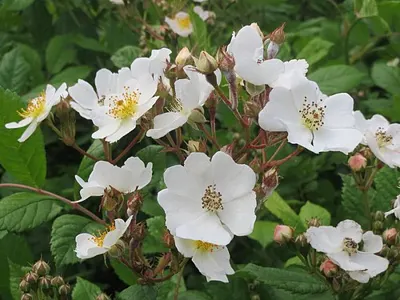
Legally regulated
Class C noxious weed (r. 80-10-14-.04) — no movement into or within Alabama · detailsPhoto: AnRo0002, CC0, Wikimedia Commons

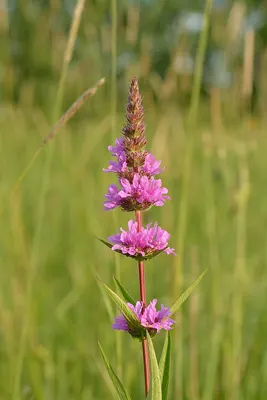
Legally regulated
Class B noxious weed (r. 80-10-14-.04) — no movement into or within Alabama · detailsPhoto: Ivar Leidus, CC BY-SA 3.0, Wikimedia Commons

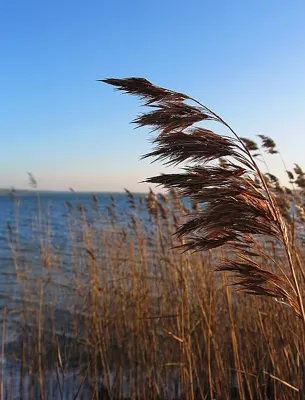
Legally regulated
Class C noxious weed (r. 80-10-14-.04) — no movement into or within AlabamaPhoto: Darkone (talk · contribs), CC BY-SA 2.0, Wikimedia Commons

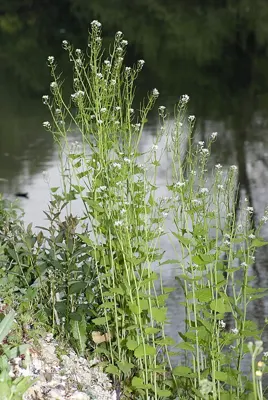
Legally regulated
Class A noxious weed (Ala. Admin. Code r. 80-10-14-.04) — no movement into or within Alabama; also all federal noxious weedsPhoto: O. Pichard, CC BY-SA 3.0, Wikimedia Commons

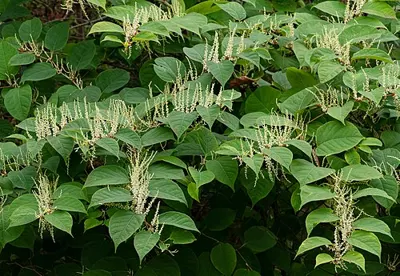
Legally regulated
Class C noxious weed (r. 80-10-14-.04) — no movement into or within AlabamaPhoto: W.carter, CC0, Wikimedia Commons

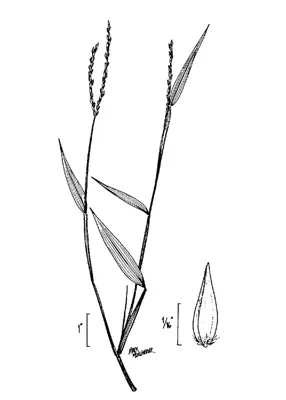
Legally regulated
Class C noxious weed (r. 80-10-14-.04) — no movement into or within AlabamaPhoto: Unknown author, Public domain, Wikimedia Commons

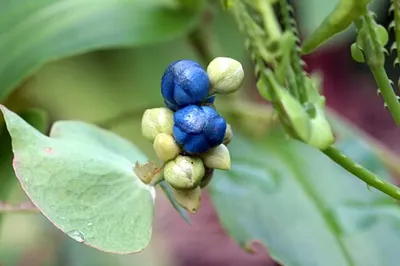
Legally regulated
Class A noxious weed (Ala. Admin. Code r. 80-10-14-.04) — no movement into or within Alabama; also all federal noxious weedsPhoto: Dalgial, CC BY 3.0, Wikimedia Commons

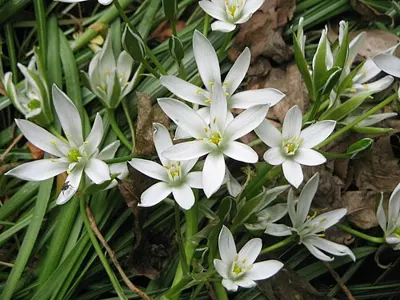
Legally regulated
Class C noxious weed (r. 80-10-14-.04) — no movement into or within AlabamaPhoto: Meneerke bloem, CC BY-SA 3.0, Wikimedia Commons

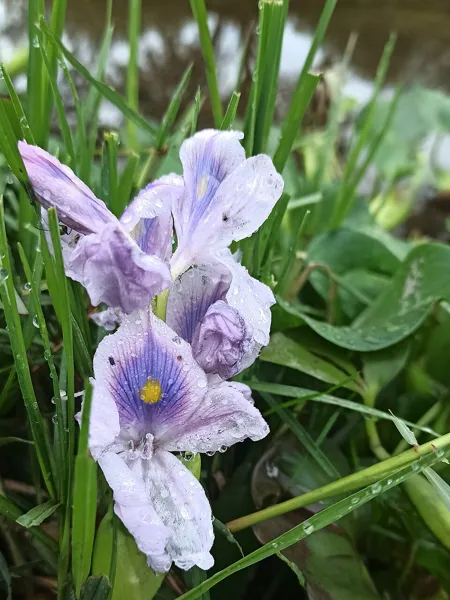
Legally regulated
Class C noxious weed (r. 80-10-14-.04) — no movement into or within AlabamaPhoto: Juan Carlos Fonseca Mata, CC BY-SA 4.0, Wikimedia Commons

Class A noxious weed (Ala. Admin. Code r. 80-10-14-.04) — no movement into or within Alabama; also all federal noxious weeds (5)
| Scientific name | Common name / notes |
|---|---|
| Alliaria petiolata | garlic mustard |
| Dioscorea bulbifera | air-potato |
| Lygodium microphyllum | Old World climbing fern |
| Polygonum perfoliatum (syn. Persicaria perfoliata) | mile-a-minute |
| Tussilago farfara | coltsfoot |
Class B noxious weed (r. 80-10-14-.04) — no movement into or within Alabama (3)
| Scientific name | Common name / notes |
|---|---|
| Lygodium japonicum | Japanese climbing fern |
| Lythrum salicaria | purple loosestrife |
| Paederia foetida | skunk vine |
Class C noxious weed (r. 80-10-14-.04) — no movement into or within Alabama (20)
| Scientific name | Common name / notes |
|---|---|
| Alternanthera philoxeroides | alligatorweed (rule spells "Althernanthera") |
| Cardiospermum halicacabum | balloon vine |
| Egeria densa | Brazilian elodea |
| Potamogeton crispus | curlyleaf pondweed |
| Eichhornia crassipes | floating water hyacinth |
| Fatoua villosa | hairy crabgrass, mulberry weed |
| Microstegium vimineum | Mary's grass, Japanese stiltgrass |
| Myriophyllum aquaticum | parrotfeather |
| Myriophyllum spicatum | Eurasian watermilfoil |
| Ornithogalum umbellatum | star of Bethlehem |
| Panicum repens | torpedo grass |
| Phragmites australis | phragmites, common reed (the rule does not separate the native subspecies) |
| Phyllanthus tenellus | longstalked phyllanthus |
| Phyllanthus urinaria | chamberbitter |
| Polygonum cuspidatum (syn. Reynoutria japonica) | Japanese knotweed |
| Rosa multiflora | multiflora rose |
| Najas minor | spinyleaf naiad |
| Stratiotes aloides | water-aloe |
| Pistia stratiotes | water-lettuce |
| Trapa natans | water chestnut |
Check plants against Alabama law →
Informational only, not legal advice. Lists change; always check the official source linked above before you buy, sell, plant or move a plant. Lists checked 2026-10-14.
Is it illegal in Alabama? Quick answers
Is Japanese knotweed illegal?Is Multiflora rose illegal?Is Purple loosestrife illegal?
Native swaps for Alabama
Instead of Japanese knotweedInstead of Multiflora roseInstead of Purple loosestrife
How the law works in Alabama
Alabama's Noxious Weed Rules, Ala. Admin. Code ch. 80-10-14 (Department of Agriculture and Industries, under Code of Ala. § 2-25-4), prohibit moving any Class A, B or C noxious weed, or any article infested with one, into or within Alabama except under a certificate or limited permit. Class A includes every federal noxious weed (7 CFR 360.200), which covers cogongrass and tropical soda apple. Rule text unchanged since 2000.