 PlantLegit
Ohio: invasive & noxious plant laws
Free ZIP check + email reminders
In Ohio: 94 plants are named on Ohio's legal plant lists (noxious-weed or invasive-plant law, so restrictions apply). Some plants appear on more than one list.
Plain English: a “noxious weed” is a plant named on a state’s legal list, so selling or moving it is restricted; an “advisory” or “educational” invasive list is a warning, not a ban.
Sources (4)
- OAC 901:5-37-01 Prohibited noxious weeds – Ohio Laws and Administrative Rules
- OAC 901:5-30-01 Invasive plant species – Ohio Laws and Administrative Rules
- ORC 5579.05 — township notice to cut or destroy noxious weeds within five days (see also 5579.04 definition; 5579.06–5579.07 trustee cutting and lien) – Ohio Laws and Administrative Rules
- Federal Noxious Weed List, 7 CFR § 360.200 (USDA APHIS) — applies in every state – Electronic Code of Federal Regulations (eCFR)
New laws coming: several states phase in plant bans 2027–2030. See dates and sources →
Top 10 plants to remove in Ohio (with photos)
These are common yard plants on Ohio's official or state-agency lists. Legally regulated plants come first, then plants covered only by a store-sign law, then plants listed as invasive for education only, which are not banned. Legal status is not the same as having to remove a plant you already own, so check the category under each photo. Swap them for natives: native alternatives →
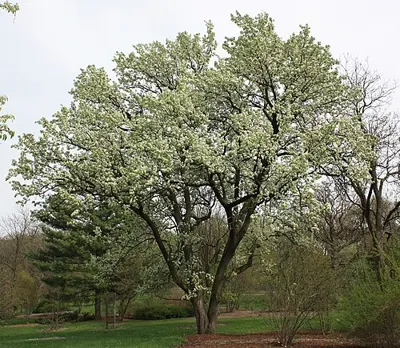
Legally regulated
Invasive plant (OAC 901:5-30-01) — no sale, propagation, distribution or import · detailsPhoto: Bruce Marlin, CC BY 3.0, Wikimedia Commons

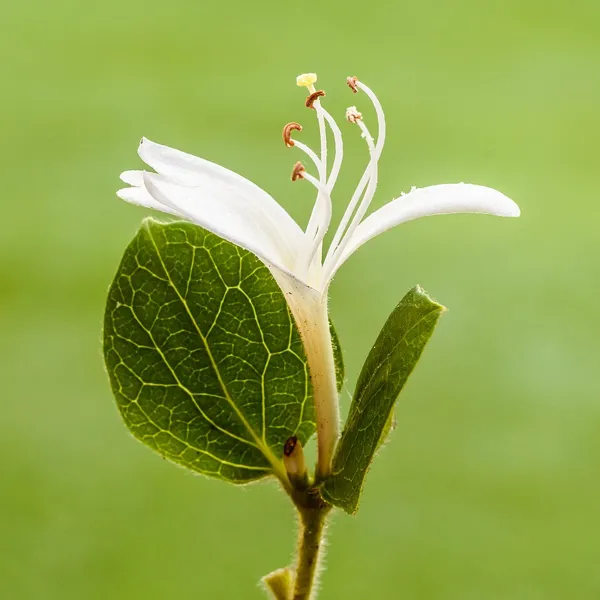
Legally regulated
Invasive plant (OAC 901:5-30-01) — no sale, propagation, distribution or import · detailsPhoto: Dominicus Johannes Bergsma, CC BY-SA 4.0, Wikimedia Commons

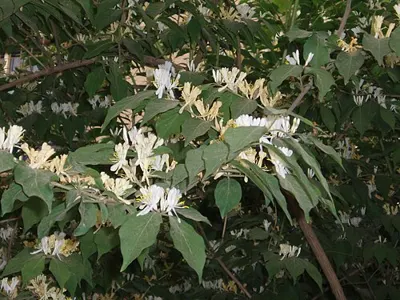
Legally regulated
Invasive plant (OAC 901:5-30-01) — no sale, propagation, distribution or import · detailsPhoto: Taken by Fanghong, CC BY 2.5, Wikimedia Commons

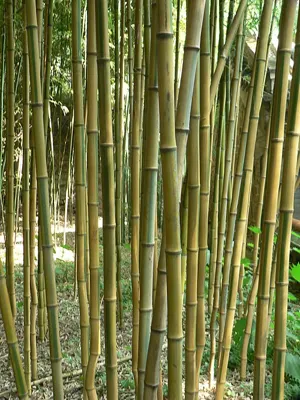
Legally regulated
Prohibited noxious weed (OAC 901:5-37-01) · detailsPhoto: Yongxinge (Commons uploader; see source page), CC BY-SA 3.0, Wikimedia Commons

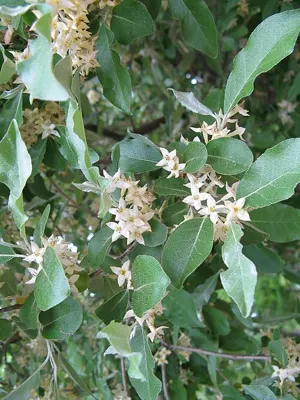
Legally regulated
Invasive plant (OAC 901:5-30-01) — no sale, propagation, distribution or import · detailsPhoto: KENPEI, CC BY-SA 3.0, Wikimedia Commons

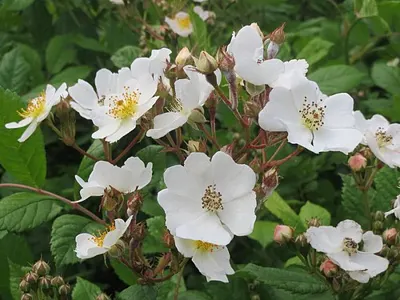
Legally regulated
Invasive plant (OAC 901:5-30-01) — no sale, propagation, distribution or import · detailsPhoto: AnRo0002, CC0, Wikimedia Commons

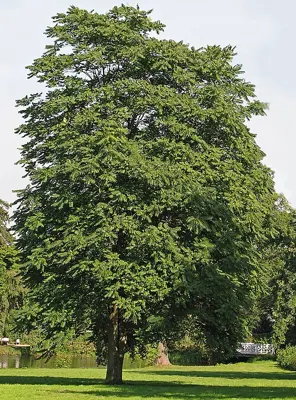
Legally regulated
Invasive plant (OAC 901:5-30-01) — no sale, propagation, distribution or import · detailsPhoto: Darkone (talk · contribs), CC BY-SA 2.5, Wikimedia Commons

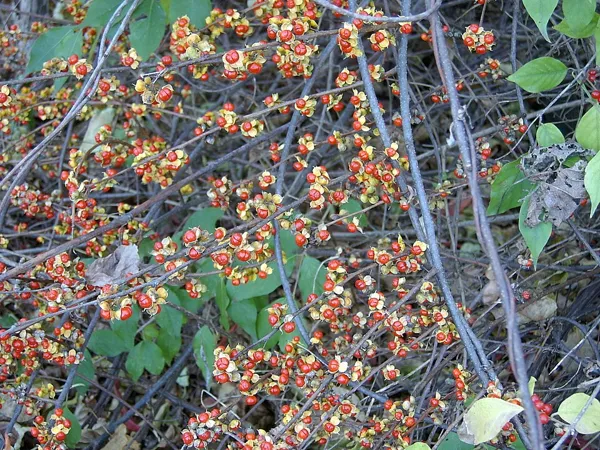
Legally regulated
Invasive plant (OAC 901:5-30-01) — no sale, propagation, distribution or import · detailsPhoto: Cbaile19, CC0, Wikimedia Commons

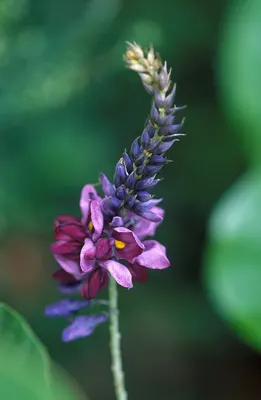
Legally regulated
Prohibited noxious weed (OAC 901:5-37-01) · detailsPhoto: Photo by Peggy Greb., Public domain, Wikimedia Commons

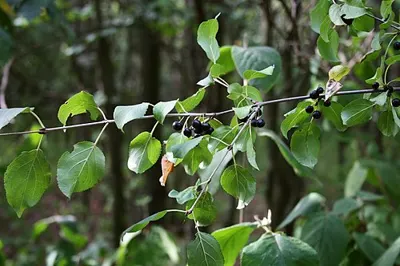
Legally regulated
Invasive plant (OAC 901:5-30-01) — no sale, propagation, distribution or import · detailsPhoto: Franz Xaver, CC BY-SA 3.0, Wikimedia Commons

Prohibited noxious weed (OAC 901:5-37-01) (31)
| Scientific name | Common name / notes |
|---|---|
| Sorghum bicolor | Shatter cane |
| Salsola tragus | Russian thistle |
| Sorghum halepense | Johnsongrass |
| Pastinaca sativa | Wild parsnip |
| Vitis spp. | Grapevines — when growing in groups of one hundred or more and not pruned, sprayed, cultivated, or otherwise maintained for two consecutive years |
| Cirsium arvense | Canada thistle |
| Conium maculatum | Poison hemlock |
| Senecio glabellus | Cressleaf groundsel |
| Carduus nutans | Musk thistle |
| Lythrum salicaria | Purple loosestrife |
| Persicaria perfoliate | Mile-A-Minute Weed |
| Heracleum mantegazzianum | Giant Hogweed |
| Nicandra physalodes | Apple of Peru |
| Conyza canadensis | Marestail |
| Bassia scoparia | Kochia |
| Amaranthus palmeri | Palmer amaranth |
| Pueraria montana var. lobata | Kudzu |
| Reynoutria japonica | Japanese knotweed |
| Phyllostachys aureasculata | Yellow Groove Bamboo — when the plant has spread from its original premise of planting and is not being maintained |
| Convolvulus arvensis | Field bindweed |
| Lepidium draba sub. draba | Heart-podded hoary cress |
| Lepidium appelianum | Hairy whitetop or ballcress |
| Sonchus arvensis | Perennial sowthistle |
| Rhaponticum repens | Russian knapweed |
| Euphorbia cyparissias | Cypress spurge |
| Calystegia sepium | Hedge bindweed |
| Nassella trichotoma | Serrated tussock |
| Sorghum x almum | Columbus grass |
| Bassia prostrata | Forage Kochia |
| Amaranthus tuberculatus | Water Hemp |
| Centaurea stoebe | Spotted knapweed |
Invasive plant (OAC 901:5-30-01) — no sale, propagation, distribution or import (63)
| Scientific name | Common name / notes |
|---|---|
| Ailanthus altissima | tree of heaven |
| Alliaria petiolata | garlic mustard |
| Ampelopsis brevipedunculata | porcelainberry |
| Azolla pinnata | Pinnate mosquitofern |
| Berberis vulgaris | common barberry |
| Butomus umbellatus | flowering rush |
| Celastrus orbiculatus | Asian bittersweet |
| Centaurea stoebe ssp. micranthos | spotted knapweed |
| Dipsacus fullonum | common teasel |
| Dipsacus laciniatus | cutleaf teasel |
| Egeria densa | Brazilian waterweed |
| Eichhornia azurea | anchored water hyacinth |
| Elaeagnus angustifolia | Russian olive |
| Elaeagnus umbellata | autumn olive |
| Epilobium hirsutum | hairy willowherb |
| Fallopia japonica | Japanese knotweed |
| Ficaria verna | lesser celandine |
| Heracleum mantegazzianum | giant hogweed |
| Hesperis matronlis | dames rocket |
| Hydrilla verticillata | hydrilla |
| Hydrocharis morsus-ranae | European frogbit |
| Hygrophila polysperma | Indian swampweed |
| Iris pseudacorus | yellow flag iris |
| Lagarosiphon major | African oxygen weed |
| Ligustrum vulgare | common privet |
| Limnophila sessiliflora | Asian marshweed |
| Lonicera japonica | Japanese honeysuckle |
| Lonicera maackii | Amur honeysuckle |
| Lonicera morrowii | Morrow's honeysuckle |
| Lonicera tatarica | Tatarian honeysuckle |
| Lythrum salicaria | purple loosestrife |
| Lythrum virgatum | European wand loosestrife |
| Marsilea guadrifolia | European water-clover |
| Microstegium vimineum | Japanese stiltgrass |
| Monochoria hastata | arrowleaf false pickerelweed |
| Monochoria vaginalis | heartshape false pickerelweed |
| Morus alba | white mulberry |
| Myriophyllum aquaticum | parrot feather watermilfoil |
| Myriophyllum spicatum | Eurasian watermilfoil |
| Najas minor | brittle waternymph |
| Nymphoides peltata | yellow floating heart |
| Ottelia alismoides | duck lettuce |
| Paulownia tomentosa | princess tree |
| Persicaria perfoliata | mile-a-minute |
| Phalaris arundinacea | reed canary grass |
| Phragmites australis ssp. australis | common reed |
| Pistia stratiotes | water lettuce |
| Potamogeton crispus | curly pondweed |
| Pueraria montana var. lobata | kudzu |
| Pyrus calleryana | Callery pear |
| Rhamnus cathartica | European buckthorn |
| Rosa multiflora | multiflora rose |
| Sagittaria sagittifolia | arrowhead |
| Salix fragilis | crack willow |
| Salvinia minima | common salvinia |
| Salvinia molesta | giant salvinia |
| Sparganium erectum | simple bur-reed |
| Stratiotes aloides | water soldier |
| Trapa natans | water chestnut |
| Typha angustifolia | narrowleaf cattail |
| Typha x glauca | hybrid cattail |
| Ulmus pumila | Siberian elm |
| Vincetoxicum nigrum | black swallowwort |
Check plants against Ohio law →
Informational only, not legal advice. Lists change; always check the official source linked above before you buy, sell, plant or move a plant. Lists checked 2026-10-14.
Is it illegal in Ohio? Quick answers
Is Amur honeysuckle illegal?Is Autumn olive illegal?Is Bradford (Callery) pear illegal?Is Common buckthorn illegal?Is Japanese honeysuckle illegal?Is Japanese knotweed illegal?Is Kudzu illegal?Is Multiflora rose illegal?Is Oriental bittersweet illegal?Is Purple loosestrife illegal?Is Tree of heaven illegal?Is Yellow groove bamboo illegal?
Native swaps for Ohio
Instead of Amur honeysuckleInstead of Autumn oliveInstead of Bradford (Callery) pearInstead of Common buckthornInstead of Japanese honeysuckleInstead of Japanese knotweedInstead of KudzuInstead of Multiflora roseInstead of Oriental bittersweetInstead of Purple loosestrifeInstead of Tree of heavenInstead of Yellow groove bamboo
How the law works in Ohio
Ohio has two lists, both from the Ohio Department of Agriculture. OAC 901:5-37-01 names prohibited noxious weeds (eff. Feb 16, 2025). OAC 901:5-30-01 names invasive plants that may not be sold, offered for sale, propagated, distributed or imported in Ohio (eff. Feb 13, 2023; Callery pear banned from Jan 7, 2023 and common privet from Jan 1, 2026). Prohibited noxious weeds matter for landowners: when a board of township trustees receives written information that one is growing on land in the township, the trustees must notify the owner or person in charge, who then has five days to cut or destroy the weeds or show the board why that is not needed (ORC 5579.04(A), 5579.05(A)). If that does not happen, the trustees have the weeds cut or destroyed, and the cost becomes a lien on the land, collected as other taxes are (ORC 5579.06, 5579.07). The invasive plant rule itself expressly allows disposing of and controlling listed plants in a way that does not spread them (OAC 901:5-30-01(D)).