 PlantLegit
New Jersey: invasive & noxious plant laws
Free ZIP check + email reminders
In New Jersey: 30 plants are named on New Jersey's legal plant lists (noxious-weed or invasive-plant law, so restrictions apply).
Plain English: a “noxious weed” is a plant named on a state’s legal list, so selling or moving it is restricted; an “advisory” or “educational” invasive list is a warning, not a ban.
Sources (4)
- NJ Dept. of Agriculture — Invasive Species (prohibited list and exemptions) – New Jersey Department of Agriculture
- NJDA 2026 nursery law summary (PDF) – New Jersey Department of Agriculture
- P.L.2025, c.290 — Invasive Species Management Act (N.J.S.A. 23:2A-17 to -26), official text, approved January 20, 2026 – New Jersey Legislature
- Federal Noxious Weed List, 7 CFR § 360.200 (USDA APHIS) — applies in every state – Electronic Code of Federal Regulations (eCFR)
New laws coming: several states phase in plant bans 2027–2030. See dates and sources →
Which start date? The dates differ by source. NJDA gives January 1, 2027 (propagation and import) and January 1, 2030 (sale, distribution and export) (NJDA). The Act (P.L.2025, c.290) instead says the bans start on “the first day of the 13th month” and “the first day of the 49th month next following the effective date” (§ 4b–c). It took effect on approval, January 20, 2026 (§ 11). Counted that way, the dates are about February 1, 2027 and February 1, 2030. We found no NJDEP rule or guidance settling which is right. To be safe, plan for the earlier (NJDA) dates.
Top 10 plants to remove in New Jersey (with photos)
These are common yard plants on New Jersey's official or state-agency lists. Legally regulated plants come first, then plants covered only by a store-sign law, then plants listed as invasive for education only, which are not banned. Legal status is not the same as having to remove a plant you already own, so check the category under each photo. Swap them for natives: native alternatives →
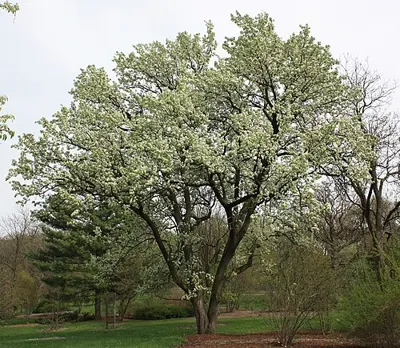
Legally regulated
Prohibited invasive species (Invasive Species Management Act, 2026) · detailsPhoto: Bruce Marlin, CC BY 3.0, Wikimedia Commons

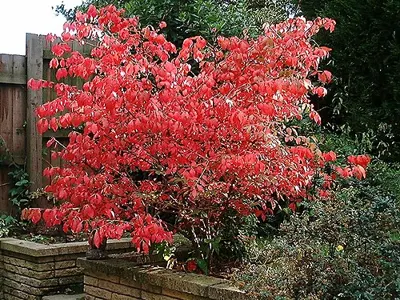
Legally regulated
Prohibited invasive species (Invasive Species Management Act, 2026) · detailsPhoto: Chris Barton/Gif absarnt, CC BY-SA 3.0, Wikimedia Commons

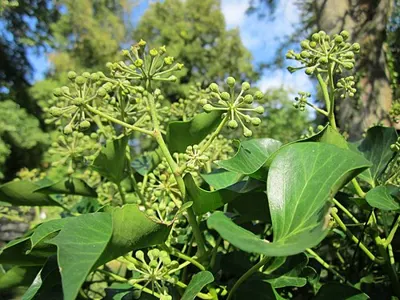
Legally regulated
Prohibited invasive species (Invasive Species Management Act, 2026) · detailsPhoto: AnRo0002, CC0, Wikimedia Commons

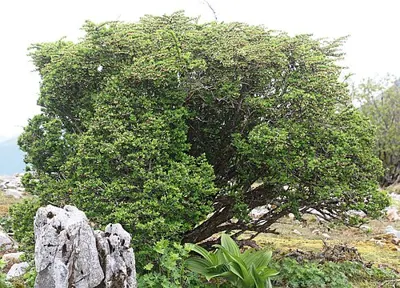
Legally regulated
Prohibited invasive species (Invasive Species Management Act, 2026) · detailsPhoto: Alpsdake, CC BY-SA 4.0, Wikimedia Commons

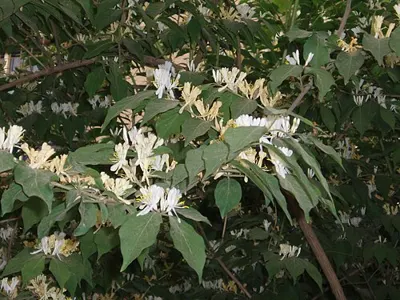
Legally regulated
Prohibited invasive species (Invasive Species Management Act, 2026) · detailsPhoto: Taken by Fanghong, CC BY 2.5, Wikimedia Commons

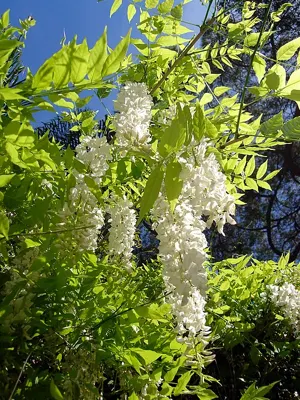
Legally regulated
Prohibited invasive species (Invasive Species Management Act, 2026) · detailsPhoto: RedCoat, CC BY-SA 2.0, Wikimedia Commons

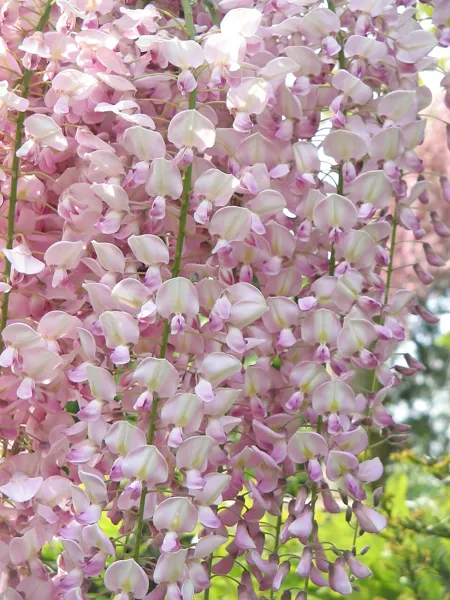
Legally regulated
Prohibited invasive species (Invasive Species Management Act, 2026) · detailsPhoto: Meneerke bloem, CC BY-SA 3.0, Wikimedia Commons

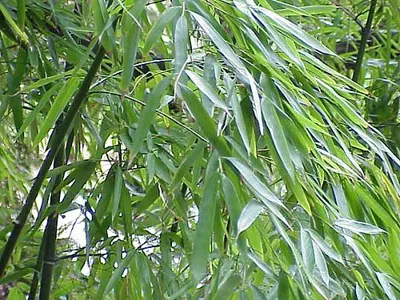
Legally regulated
Prohibited invasive species (Invasive Species Management Act, 2026) · detailsPhoto: Kurt Stüber [1], CC BY-SA 3.0, Wikimedia Commons

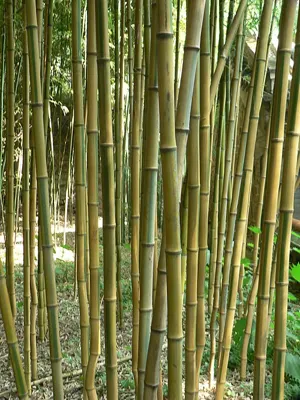
Legally regulated
Prohibited invasive species (Invasive Species Management Act, 2026) · detailsPhoto: Yongxinge (Commons uploader; see source page), CC BY-SA 3.0, Wikimedia Commons

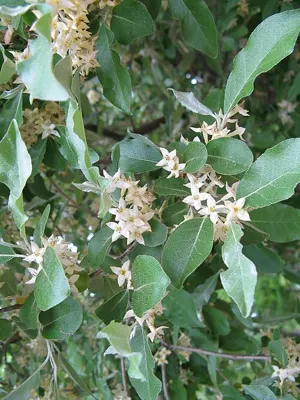
Legally regulated
Prohibited invasive species (Invasive Species Management Act, 2026) · detailsPhoto: KENPEI, CC BY-SA 3.0, Wikimedia Commons

Prohibited invasive species (Invasive Species Management Act, 2026) (30)
| Scientific name | Common name / notes |
|---|---|
| Acer platanoides | Norway maple |
| Ailanthus altissima | Tree of heaven |
| Albizia julibrissin | Mimosa (silk) tree |
| Ampelopsis glandulosa var. brevipedunculata | Porcelain berry |
| Aralia elata | Japanese angelica tree |
| Berberis thunbergii | Japanese barberry |
| Clematis terniflora | Japanese clematis |
| Elaeagnus umbellata | Autumn olive |
| Eragrostis curvula | Weeping lovegrass |
| Euonymus alatus | Winged burning bush |
| Hedera helix | English ivy |
| Humulus japonicus | Japanese hop |
| Ligustrum vulgare | European privet |
| Lonicera maackii | Amur honeysuckle |
| Lonicera morrowii | Morrow's honeysuckle |
| Lythrum salicaria | Purple loosestrife |
| Malus toringo | Japanese crabapple |
| Miscanthus sinensis | Chinese silvergrass |
| Myriophyllum spicatum | Eurasian water-milfoil |
| Photinia villosa | Oriental photinia |
| Pyrus calleryana | Callery (Bradford) pear |
| Rhamnus cathartica | Common buckthorn |
| Rhodotypos scandens | Jetbead |
| Rosa multiflora | Multiflora rose |
| Trapa natans | European water chestnut |
| Viburnum sieboldii | Siebold's arrowwood |
| Wisteria floribunda | Japanese wisteria |
| Wisteria sinensis | Chinese wisteria |
| Lespedeza cuneata | Sericea lespedeza |
| Phyllostachys spp. | Running bamboo |
Exempt cultivars (7)
These named cultivars are exempt from the listing above (official source). The species itself remains listed.
| Scientific name | Common name / notes |
|---|---|
| Berberis thunbergii 'Aurea' | exempt; must be labelled |
| Berberis thunbergii 'UCONNBTCP4N' | exempt; must be labelled |
| Berberis thunbergii 'UCONNBTB113' | exempt; must be labelled |
| Berberis thunbergii 'UCONNBTB048' | exempt; must be labelled |
| Berberis thunbergii 'UCONNBTB039' | exempt; must be labelled |
| Miscanthus sinensis 'NCMS1' | exempt; must be labelled |
| Miscanthus sinensis 'Tift M77' | exempt; must be labelled |
Check plants against New Jersey law →
Informational only, not legal advice. Lists change; always check the official source linked above before you buy, sell, plant or move a plant. Lists checked 2026-10-14.
Is it illegal in New Jersey? Quick answers
Is Amur honeysuckle illegal?Is Autumn olive illegal?Is Bradford (Callery) pear illegal?Is Burning bush illegal?Is Chinese wisteria illegal?Is Common buckthorn illegal?Is English ivy illegal?Is Golden bamboo illegal?Is Japanese barberry illegal?Is Japanese wisteria illegal?Is Mimosa tree illegal?Is Miscanthus (maiden grass) illegal?Is Multiflora rose illegal?Is Norway maple illegal?Is Purple loosestrife illegal?Is Tree of heaven illegal?Is Yellow groove bamboo illegal?
Native swaps for New Jersey
Instead of Amur honeysuckleInstead of Autumn oliveInstead of Bradford (Callery) pearInstead of Burning bushInstead of Chinese wisteriaInstead of Common buckthornInstead of English ivyInstead of Golden bambooInstead of Japanese barberryInstead of Japanese wisteriaInstead of Mimosa treeInstead of Miscanthus (maiden grass)Instead of Multiflora roseInstead of Norway mapleInstead of Purple loosestrifeInstead of Tree of heavenInstead of Yellow groove bamboo
How the law works in New Jersey
New Jersey's Invasive Species Management Act (P.L.2025, c.290, approved January 20, 2026) bans propagation and import of the listed plants from January 1, 2027, and their sale, distribution and export from January 1, 2030, unless NJDEP issues a conditional use waiver. Implementing rules (N.J.A.C. 2:19-3) are listed by NJDA as “coming soon”. A few barberry and silvergrass cultivars are exempt but must be labelled (see exemptions). List as published by the NJ Department of Agriculture (two names corrected for spelling: Humulus japonicus, Lespedeza cuneata). The Act is codified at N.J.S.A. 23:2A-17 to -26. The exemptions for the listed barberry and silvergrass cultivars expire two years after the Act took effect (it took effect on approval, January 20, 2026) unless NJDEP, in consultation with the Invasive Species Council and NJDA, adopts rules continuing them (§ 4f). NJDEP must adopt implementing rules, including the invasive and prohibited species lists and the waiver process, within 12 months of that date (§ 7a); as of October 19, 2026, neither the NJDA nor the NJDEP rule-proposal page listed such a proposal. Penalties: a civil administrative penalty of $1,000 to $2,000 per violation, or, on a court order, a civil penalty of up to $2,000 per day (§ 9d–e).