 PlantLegit
Indiana: invasive & noxious plant laws
Free ZIP check + email reminders
In Indiana: 47 plants are named on Indiana's legal plant lists (noxious-weed or invasive-plant law, so restrictions apply).
Plain English: a “noxious weed” is a plant named on a state’s legal list, so selling or moving it is restricted; an “advisory” or “educational” invasive list is a warning, not a ban.
Sources (6)
- 312 IAC 18-3-25 (LII) – Cornell Law School Legal Information Institute
- Indiana DNR — Terrestrial invasive plants – State of Indiana (IN.gov)
- Indiana DNR Terrestrial Plant Rule brochure (PDF) – State of Indiana (IN.gov)
- 312 IAC 18 (official Indiana Administrative Code) — 18-3-25 terrestrial plant rule; 18-3-13 multiflora rose and Lythrum; 18-3-16 kudzu
- Indiana Register, LSA Document #18-316(F) — final rule adding 312 IAC 18-3-25 (filed March 18, 2019; effective 30 days after filing) – Indiana Administrative Code / Indiana Register (Legislative Services Agency)
- Federal Noxious Weed List, 7 CFR § 360.200 (USDA APHIS) — applies in every state – Electronic Code of Federal Regulations (eCFR)
New laws coming: several states phase in plant bans 2027–2030. See dates and sources →
Top 10 plants to remove in Indiana (with photos)
These are common yard plants on Indiana's official or state-agency lists. Legally regulated plants come first, then plants covered only by a store-sign law, then plants listed as invasive for education only, which are not banned. Legal status is not the same as having to remove a plant you already own, so check the category under each photo. Swap them for natives: native alternatives →
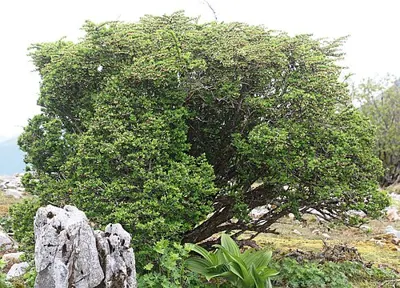
Legally regulated
Prohibited invasive terrestrial plant (312 IAC 18-3-25) — no selling, gifting, bartering, exchanging, distributing, transporting or introducing · detailsPhoto: Alpsdake, CC BY-SA 4.0, Wikimedia Commons

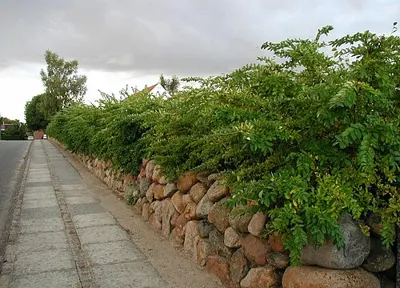
Legally regulated
Prohibited invasive terrestrial plant (312 IAC 18-3-25) — no selling, gifting, bartering, exchanging, distributing, transporting or introducing · detailsPhoto: Sten Porse, CC BY-SA 3.0, Wikimedia Commons

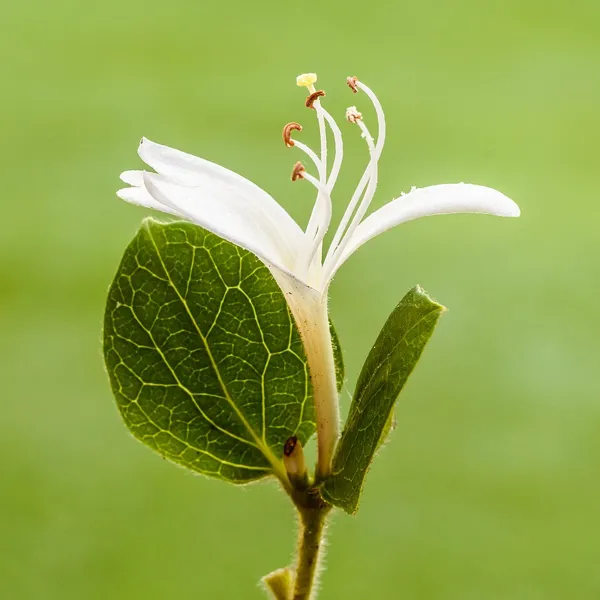
Legally regulated
Prohibited invasive terrestrial plant (312 IAC 18-3-25) — no selling, gifting, bartering, exchanging, distributing, transporting or introducing · detailsPhoto: Dominicus Johannes Bergsma, CC BY-SA 4.0, Wikimedia Commons

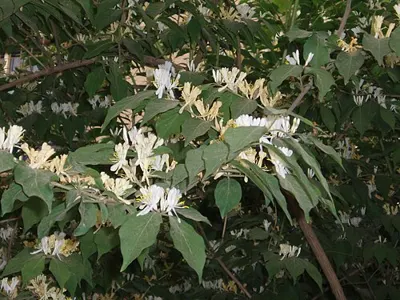
Legally regulated
Prohibited invasive terrestrial plant (312 IAC 18-3-25) — no selling, gifting, bartering, exchanging, distributing, transporting or introducing · detailsPhoto: Taken by Fanghong, CC BY 2.5, Wikimedia Commons

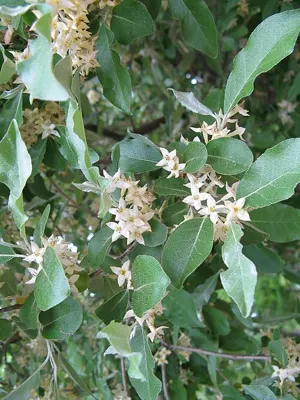
Legally regulated
Prohibited invasive terrestrial plant (312 IAC 18-3-25) — no selling, gifting, bartering, exchanging, distributing, transporting or introducing · detailsPhoto: KENPEI, CC BY-SA 3.0, Wikimedia Commons

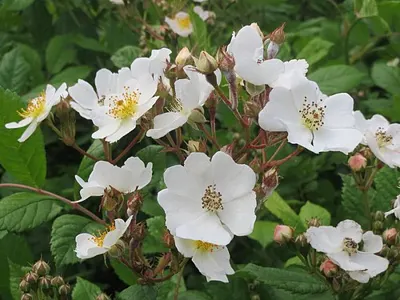
Legally regulated
Multiflora rose rule (312 IAC 18-3-13(b), (d)) — may not be planted in Indiana, except by a certified, licensed nursery as rose grafting stock · detailsPhoto: AnRo0002, CC0, Wikimedia Commons

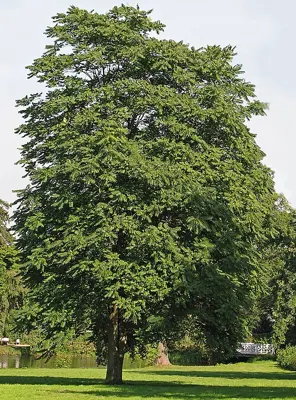
Legally regulated
Prohibited invasive terrestrial plant (312 IAC 18-3-25) — no selling, gifting, bartering, exchanging, distributing, transporting or introducing · detailsPhoto: Darkone (talk · contribs), CC BY-SA 2.5, Wikimedia Commons

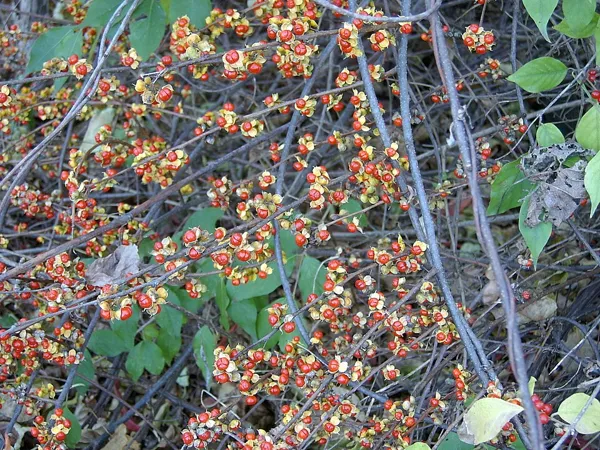
Legally regulated
Prohibited invasive terrestrial plant (312 IAC 18-3-25) — no selling, gifting, bartering, exchanging, distributing, transporting or introducing · detailsPhoto: Cbaile19, CC0, Wikimedia Commons

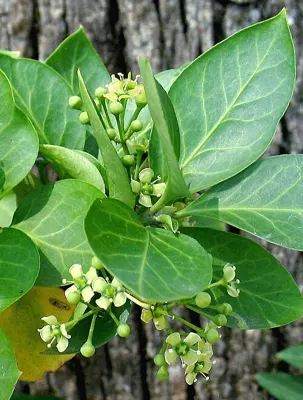
Legally regulated
Prohibited invasive terrestrial plant (312 IAC 18-3-25) — no selling, gifting, bartering, exchanging, distributing, transporting or introducingPhoto: James H. Miller, USDA Forest Service, Bugwood.org, CC BY 3.0, Wikimedia Commons

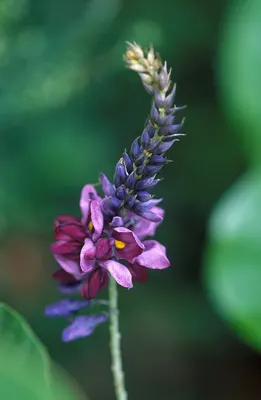
Legally regulated
Kudzu rule (312 IAC 18-3-16(b), (f)) — no selling, distributing, offering for sale or distribution, giving away, bartering, exchanging or planting; an owner known to have kudzu must take efforts to eliminate it · detailsPhoto: Photo by Peggy Greb., Public domain, Wikimedia Commons

Prohibited invasive terrestrial plant (312 IAC 18-3-25) — no selling, gifting, bartering, exchanging, distributing, transporting or introducing (44)
| Scientific name | Common name / notes |
|---|---|
| Achyranthes japonica | Japanese chaff flower |
| Ailanthus altissima | tree of heaven |
| Alliaria petiolata | garlic mustard |
| Alnus glutinosa | black alder |
| Artemisia vulgaris | mugwort |
| Arthraxon hispidus | small carpgrass |
| Berberis thunbergii | Japanese barberry |
| Carduus acanthoides | spiny plumeless thistle |
| Carduus nutans | musk thistle |
| Celastrus orbiculatus | Asian bittersweet |
| Centaurea stoebe | spotted knapweed |
| Cirsium vulgare | bull thistle |
| Conium maculatum | poison hemlock |
| Convolvulus arvensis | field bindweed |
| Coronilla varia | crown vetch |
| Dioscorea polystachya (oppositifolia) | Chinese yam |
| Dipsacus fullonum | common teasel |
| Dipsacus laciniatus | cut-leaved teasel |
| Elaeagnus umbellata | autumn olive |
| Euonymus fortunei | wintercreeper |
| Euphorbia esula | leafy spurge |
| Frangula alnus | glossy buckthorn |
| Hesperis matronalis | dame's rocket |
| Humulus japonicus | Japanese hops |
| Lepidium latifolium | pepperweed |
| Lespedeza cuneata | sericea lespedeza |
| Ligustrum obtusifolium | blunt-leaved privet |
| Lonicera japonica | Japanese honeysuckle |
| Lonicera maackii | Amur honeysuckle |
| Lonicera morrowii | Morrow's honeysuckle |
| Lonicera tatarica | Tatarian honeysuckle |
| Lonicera x bella | Bell's honeysuckle |
| Microstegium vimineum | Japanese stiltgrass |
| Morus alba | white mulberry |
| Phalaris arundinacea | reed canarygrass |
| Phellodendron amurense | Amur cork tree |
| Phragmites australis subspecies australis | common reed |
| Polygonum perfoliatum | mile-a-minute vine |
| Reynoutria japonica | Japanese knotweed |
| Reynoutria sachalinensis | giant knotweed |
| Reynoutria x bohemica | Bohemian knotweed |
| Rhamnus cathartica | common buckthorn |
| Vincetoxicum nigrum | black swallow-wort |
| Vincetoxicum rossicum | pale swallow-wort |
Check plants against Indiana law →
Informational only, not legal advice. Lists change; always check the official source linked above before you buy, sell, plant or move a plant. Lists checked 2026-10-14.
Is it illegal in Indiana? Quick answers
Is Amur honeysuckle illegal?Is Autumn olive illegal?Is Border privet illegal?Is Common buckthorn illegal?Is Glossy buckthorn illegal?Is Japanese barberry illegal?Is Japanese honeysuckle illegal?Is Japanese knotweed illegal?Is Kudzu illegal?Is Multiflora rose illegal?Is Oriental bittersweet illegal?Is Purple loosestrife illegal?Is Tree of heaven illegal?
Additional official listings (checked 2026-10-15)
Additional official listings (checked 2026-10-15)
From the sources added to this page's source list: 312 IAC 18 (official Indiana Administrative Code) — 18-3-25 terrestrial plant rule; 18-3-13 multiflora rose and Lythrum; 18-3-16 kudzu, Indiana Register, LSA Document #18-316(F) — final rule adding 312 IAC 18-3-25 (filed March 18, 2019; effective 30 days after filing).
| Plant | Category | Note / date |
|---|---|---|
| Kudzu (Pueraria montana) | Kudzu rule (312 IAC 18-3-16(b), (f)) — no selling, distributing, offering for sale or distribution, giving away, bartering, exchanging or planting; an owner known to have kudzu must take efforts to eliminate it | kudzu (the rule uses the name Pueraria lobata) |
| Multiflora rose (Rosa multiflora) | Multiflora rose rule (312 IAC 18-3-13(b), (d)) — may not be planted in Indiana, except by a certified, licensed nursery as rose grafting stock | multiflora rose — civil penalty $500 per site, each year a separate offense (312 IAC 18-3-13(g)) |
| Purple loosestrife (Lythrum salicaria) | Lythrum rule (312 IAC 18-3-13(c), (e)) — no selling, offering for sale, giving away or otherwise distributing seeds or plants of any Lythrum species, except native Lythrum under a permit | purple loosestrife — covers every Lythrum species; civil penalty $500 per site, each year a separate offense (312 IAC 18-3-13(g)) |
Native swaps for Indiana
Instead of Amur honeysuckleInstead of Autumn oliveInstead of Border privetInstead of Common buckthornInstead of Glossy buckthornInstead of Japanese barberryInstead of Japanese honeysuckleInstead of Japanese knotweedInstead of KudzuInstead of Multiflora roseInstead of Oriental bittersweetInstead of Purple loosestrifeInstead of Tree of heaven
How the law works in Indiana
Indiana's Terrestrial Plant Rule, 312 IAC 18-3-25 (Natural Resources Commission), declares 44 invasive plants to be pests. It was filed March 18, 2019 and took effect 30 days after filing (Indiana Register, LSA Document #18-316(F)); Indiana DNR gives the effective date as April 18, 2019. Under 312 IAC 18-3-25(c), the bans on selling, gifting, bartering, exchanging and distributing, and on transporting or transferring, took effect one year later; DNR gives that date as April 18, 2020. It is illegal to sell, offer or grow for sale, gift, barter, exchange, distribute, transport, transfer or introduce them in Indiana. Exemptions cover people holding a permit from the state entomologist and approved destruction projects. A proposed amendment adding 12 more species (including Callery pear, Norway maple and burning bush) has not been adopted, so those plants are not listed here. The current official text (Indiana Administrative Code; readopted, filed March 25, 2025) still lists the same 44 species, and the Natural Resources Commission rulemaking docket showed no pending amendment to 312 IAC 18 when checked on October 19, 2026. Separate DNR rules cover three plants that are not on the 44-plant list (this page lists them as 3 more entries, 47 in all): no one may plant multiflora rose in Indiana, except licensed nurseries using it as rose grafting stock, or sell, offer for sale, give away or distribute seeds or plants of any Lythrum species (purple loosestrife), except native Lythrum under a permit (312 IAC 18-3-13; civil penalty $500 per site, each year a separate offense); and no one may sell, distribute, give away, barter, exchange or plant kudzu, and a property owner known to have kudzu must take efforts to eliminate it (312 IAC 18-3-16). Indiana DNR says a seller found with listed plants gets a Notice of Stop Sale and may get a Notice of Violation with a fine of $500 per day per plant (DNR Terrestrial Plant Rule brochure, 9/2024).