 PlantLegit
Georgia: invasive & noxious plant laws
Free ZIP check + email reminders
We found no statewide plant ban list for Georgia.
Plain English: a “noxious weed” is a plant named on a state’s legal list, so selling or moving it is restricted; an “advisory” or “educational” invasive list is a warning, not a ban.
Sources (5)
- Ga. Comp. R. & Regs. 40-4-9 Live Plant Regulations – Georgia Secretary of State (Rules)
- Ga. Comp. R. & Regs. 40-12-4 Noxious weed seeds – Georgia Secretary of State (Rules)
- Ga. Comp. R. & Regs. 40-4-9-.07 — sale or distribution of any federal noxious weed or Commissioner-declared public-nuisance plant is prohibited (rule text, Cornell LII copy) – Cornell Law School Legal Information Institute
- Georgia Dept. of Agriculture — Summary of Plant Protection Regulations (updated July 2021; National Plant Board copy, PDF) – nationalplantboard.org
- Federal Noxious Weed List, 7 CFR § 360.200 (USDA APHIS) — applies in every state – Electronic Code of Federal Regulations (eCFR)
New laws coming: several states phase in plant bans 2027–2030. See dates and sources →
Plants covered
Every plant on the federal noxious weed list (see the bottom of the state index) may not be sold or distributed in Georgia.
Check plants against Georgia law →
Informational only, not legal advice. Lists change; always check the official source linked above before you buy, sell, plant or move a plant. Lists checked 2026-10-14.
Federal noxious weeds to remove in Georgia (with photos)
Georgia has no separate state list of banned garden plants. Its rule bans selling or distributing any federal noxious weed (Ga. Comp. R. & Regs. 40-4-9-.07), so the USDA federal noxious weed list (7 CFR 360.200) is Georgia's legal list. The Georgia Department of Agriculture's plant-protection summary says this covers varieties of cogongrass, such as Japanese bloodgrass and 'Red Baron'. These are the federal-list land plants in our photo catalog. Aquatic weeds on the list are left out here. The rule bans sale and distribution. It does not order you to remove a plant you already own.
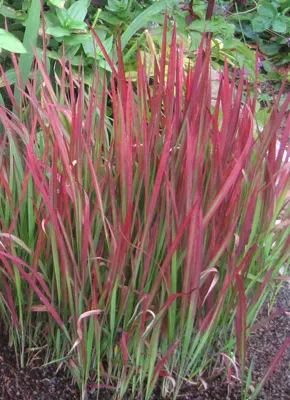
Federal noxious weed
7 CFR 360.200: sale or distribution prohibited in GeorgiaPhoto: GearedBull at English Wikipedia, CC BY 3.0, Wikimedia Commons

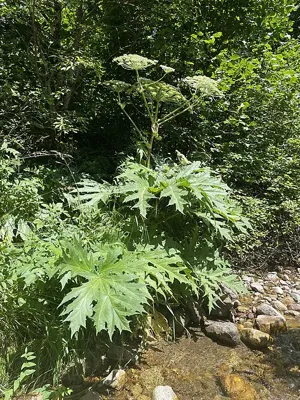
Federal noxious weed
7 CFR 360.200: sale or distribution prohibited in GeorgiaPhoto: anastasiiamerkulova, CC BY 4.0, Wikimedia Commons

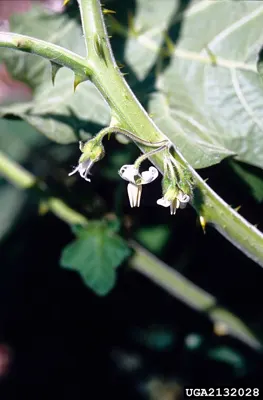
Federal noxious weed
7 CFR 360.200: sale or distribution prohibited in GeorgiaPhoto: James H. Miller, USDA Forest Service, Bugwood.org, CC BY 3.0 US, Wikimedia Commons

Georgia Invasive Species Council list: top 10 yard plants (educational, not a legal ban)
The Georgia Invasive Species Council (GISC, formerly GA-EPPC) Invasive Plant List is maintained with the University of Georgia's Center for Invasive Species and Ecosystem Health. It is educational, not a legal ban: GISC says “the list does not have regulatory authority” (GISC list page). These plants are legal to sell and grow in Georgia. Below are 10 commonly planted yard plants from that list (68 plants in our catalog are on it). See the GISC page for the full list. Swap them for natives: Georgia native plants →
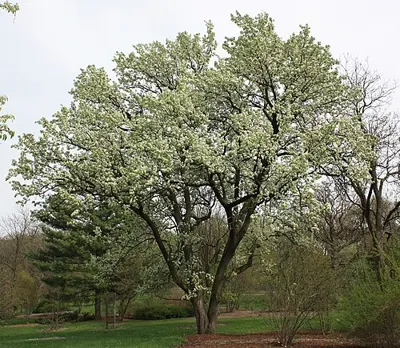
Educational list, not a ban
GISC list: Invasive Plant List — educational, not a legal banPhoto: Bruce Marlin, CC BY 3.0, Wikimedia Commons

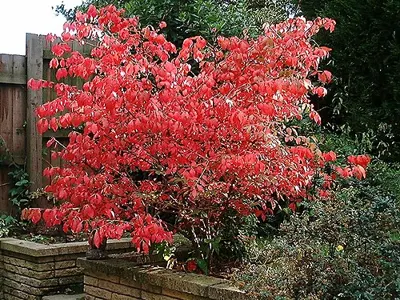
Educational list, not a ban
GISC list: Invasive Plant List — educational, not a legal banPhoto: Chris Barton/Gif absarnt, CC BY-SA 3.0, Wikimedia Commons

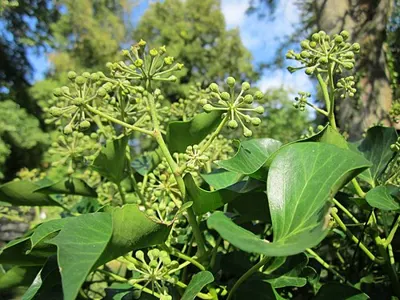
Educational list, not a ban
GISC list: Invasive Plant List — educational, not a legal banPhoto: AnRo0002, CC0, Wikimedia Commons

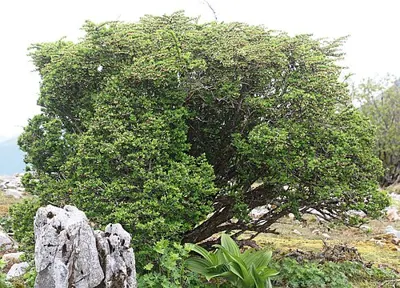
Educational list, not a ban
GISC list: Invasive Plant List — educational, not a legal banPhoto: Alpsdake, CC BY-SA 4.0, Wikimedia Commons

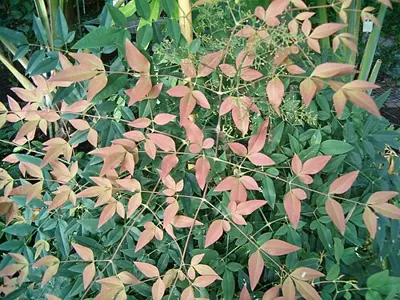
Educational list, not a ban
GISC list: Invasive Plant List — educational, not a legal banPhoto: BotBln (Commons uploader; see source page), CC BY-SA 3.0, Wikimedia Commons

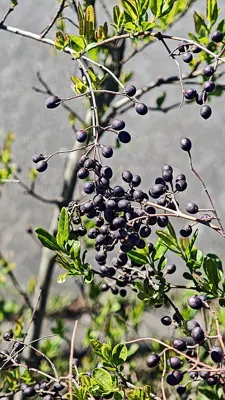
Educational list, not a ban
GISC list: Invasive Plant List — educational, not a legal banPhoto: Didier Descouens, CC BY-SA 4.0, Wikimedia Commons

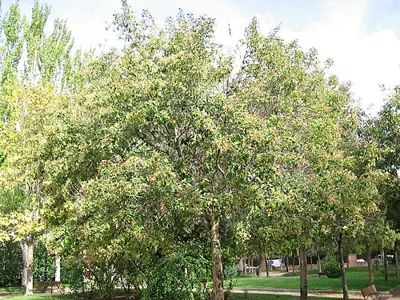
Educational list, not a ban
GISC list: Invasive Plant List — educational, not a legal banPhoto: José Luis Gálvez, CC BY-SA 2.5, Wikimedia Commons

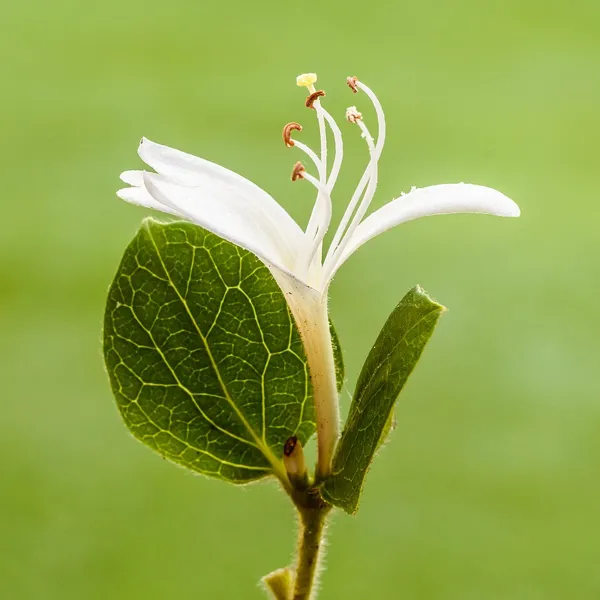
Educational list, not a ban
GISC list: Invasive Plant List — educational, not a legal banPhoto: Dominicus Johannes Bergsma, CC BY-SA 4.0, Wikimedia Commons

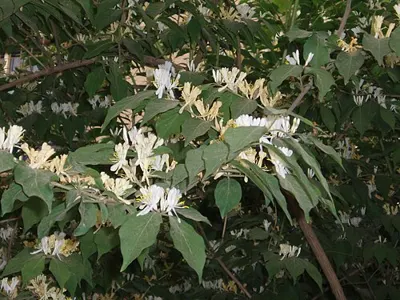
Educational list, not a ban
GISC list: Invasive Plant List — educational, not a legal banPhoto: Taken by Fanghong, CC BY 2.5, Wikimedia Commons

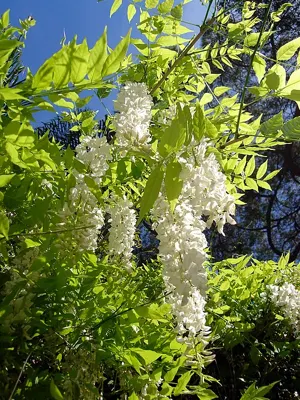
Educational list, not a ban
GISC list: Invasive Plant List — educational, not a legal banPhoto: RedCoat, CC BY-SA 2.0, Wikimedia Commons

How the law works in Georgia
Georgia does not publish a separate state list of banned landscape plants. Georgia Department of Agriculture Rule 40-4-9 (Live Plant Regulations) prohibits the sale or distribution of any plant on the federal noxious weed list (7 CFR 360) or determined by the Commissioner to be a public nuisance. So in Georgia, the federal noxious weed list (7 CFR 360.200, linked under Sources and listed on our state index) is the legal list. Rule 40-12-4 separately limits noxious weed seeds as contaminants in seed for sale (a seed-purity rule, not a planting ban). The Georgia Department of Agriculture's plant-protection summary (updated July 2021) says the federal-list sale ban covers varieties of cogongrass (Imperata cylindrica), such as Japanese bloodgrass and 'Red Baron'.