 PlantLegit
Delaware: invasive & noxious plant laws
Free ZIP check + email reminders
In Delaware: 40 plants are named on Delaware's legal plant lists (noxious-weed or invasive-plant law, so restrictions apply). Some plants appear on more than one list.
Plain English: a “noxious weed” is a plant named on a state’s legal list, so selling or moving it is restricted; an “advisory” or “educational” invasive list is a warning, not a ban.
Sources (4)
- 3 DE Admin. Code 806 Regulations for Invasive Plants – Delaware Administrative Code
- 3 Del. C. ch. 29 Invasive plants – Delaware Code
- Delaware Dept. of Agriculture — Nursery Inspection: Final Invasive Plant List (updated May 2026; enforcement dates for new additions) – agriculture.delaware.gov
- Federal Noxious Weed List, 7 CFR § 360.200 (USDA APHIS) — applies in every state – Electronic Code of Federal Regulations (eCFR)
New laws coming: several states phase in plant bans 2027–2030. See dates and sources →
Top 10 plants to remove in Delaware (with photos)
These are common yard plants on Delaware's official or state-agency lists. Legally regulated plants come first, then plants covered only by a store-sign law, then plants listed as invasive for education only, which are not banned. Legal status is not the same as having to remove a plant you already own, so check the category under each photo. Swap them for natives: native alternatives →
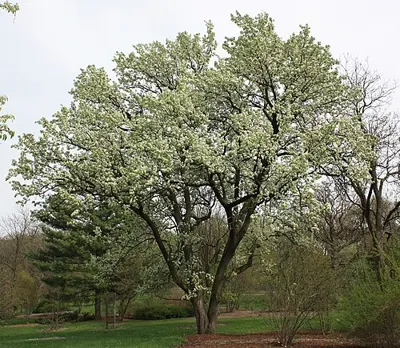
Legally regulated
Invasive Plant List (3 Del. C. § 2903; 3 DE Admin. Code 806) — no import, export, buying, selling, transport, distribution or propagation · detailsPhoto: Bruce Marlin, CC BY 3.0, Wikimedia Commons

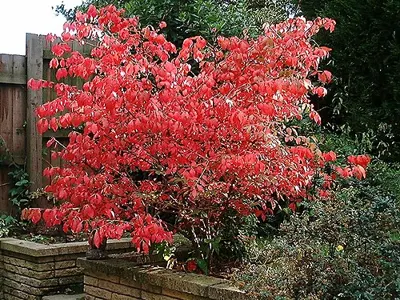
Legally regulated
Invasive Plant List (3 Del. C. § 2903; 3 DE Admin. Code 806) — no import, export, buying, selling, transport, distribution or propagation · detailsPhoto: Chris Barton/Gif absarnt, CC BY-SA 3.0, Wikimedia Commons

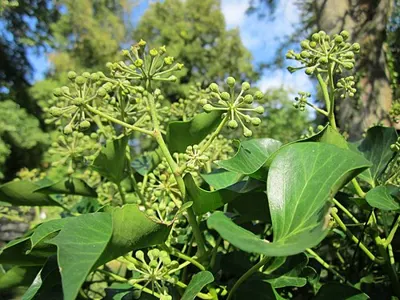
Legally regulated
Invasive Plant List (3 Del. C. § 2903; 3 DE Admin. Code 806) — no import, export, buying, selling, transport, distribution or propagation · detailsPhoto: AnRo0002, CC0, Wikimedia Commons

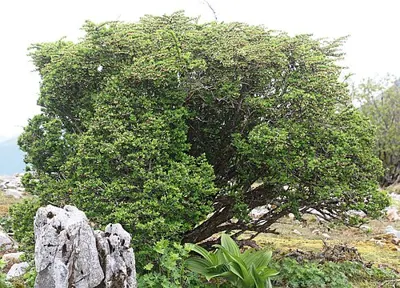
Legally regulated
Invasive Plant List (3 Del. C. § 2903; 3 DE Admin. Code 806) — no import, export, buying, selling, transport, distribution or propagation · detailsPhoto: Alpsdake, CC BY-SA 4.0, Wikimedia Commons

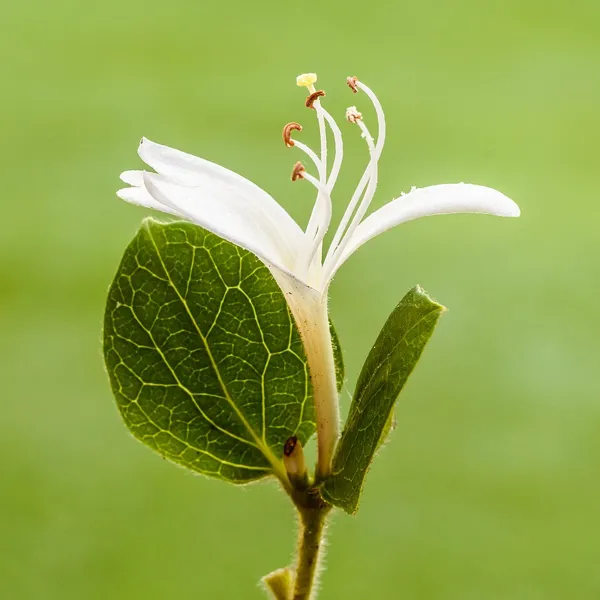
Legally regulated
Invasive Plant List (3 Del. C. § 2903; 3 DE Admin. Code 806) — no import, export, buying, selling, transport, distribution or propagation · detailsPhoto: Dominicus Johannes Bergsma, CC BY-SA 4.0, Wikimedia Commons

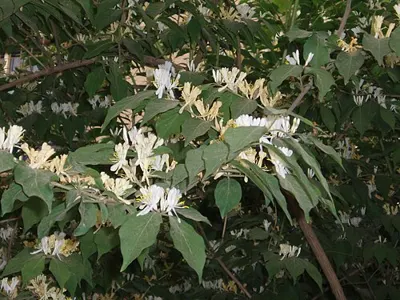
Legally regulated
Invasive Plant List (3 Del. C. § 2903; 3 DE Admin. Code 806) — no import, export, buying, selling, transport, distribution or propagation · detailsPhoto: Taken by Fanghong, CC BY 2.5, Wikimedia Commons

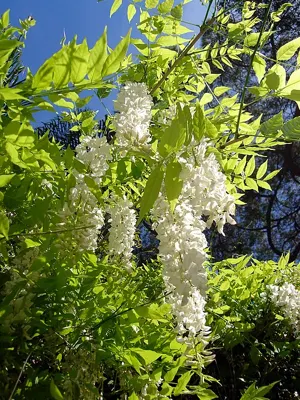
Legally regulated
Invasive Plant List (3 Del. C. § 2903; 3 DE Admin. Code 806) — no import, export, buying, selling, transport, distribution or propagation · detailsPhoto: RedCoat, CC BY-SA 2.0, Wikimedia Commons

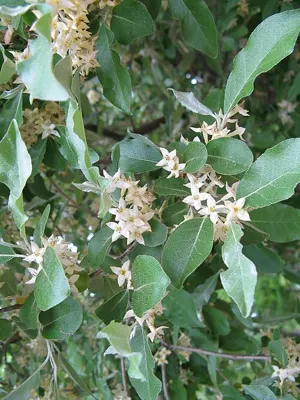
Legally regulated
Invasive Plant List (3 Del. C. § 2903; 3 DE Admin. Code 806) — no import, export, buying, selling, transport, distribution or propagation · detailsPhoto: KENPEI, CC BY-SA 3.0, Wikimedia Commons

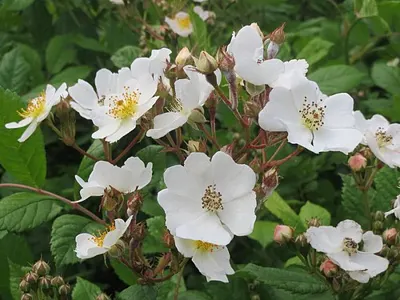
Legally regulated
Invasive Plant List (3 Del. C. § 2903; 3 DE Admin. Code 806) — no import, export, buying, selling, transport, distribution or propagation · detailsPhoto: AnRo0002, CC0, Wikimedia Commons

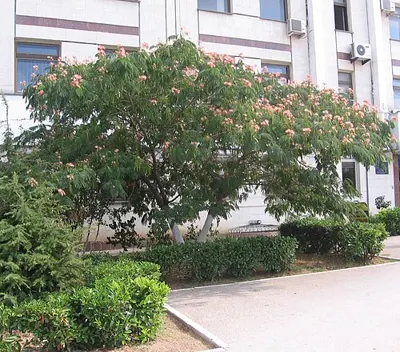
Legally regulated
Invasive Plant List (3 Del. C. § 2903; 3 DE Admin. Code 806) — no import, export, buying, selling, transport, distribution or propagation · detailsPhoto: Cmapm, Public domain, Wikimedia Commons

Invasive Plant List (3 Del. C. § 2903; 3 DE Admin. Code 806) — no import, export, buying, selling, transport, distribution or propagation (39)
| Scientific name | Common name / notes |
|---|---|
| Lonicera maackii | Amur honeysuckle |
| Elaeagnus umbellata | autumn olive |
| Pyrus calleryana | Callery pear |
| Cenchrus purpurascens (syn. Pennisetum alopecuroides) | Chinese fountaingrass — added May 2026; perennials are enforced 2 years after the effective date |
| Miscanthus sinensis | Chinese silvergrass — added May 2026; perennials are enforced 2 years after the effective date |
| Wisteria sinensis | Chinese wisteria |
| Ludwigia peploides subsp. glabrescens | creeping water primrose |
| Hedera helix | English ivy |
| Ligustrum vulgare | European privet |
| Phragmites australis subsp. australis | European reed |
| Acorus calamus | European sweetflag |
| Alliaria petiolata | garlic mustard |
| Hydrilla verticillata | hydrilla |
| Berberis thunbergii | Japanese barberry |
| Lonicera japonica | Japanese honeysuckle |
| Fallopia japonica (syn. Reynoutria japonica) | Japanese knotweed |
| Pachysandra terminalis | Japanese pachysandra |
| Microstegium vimineum | Japanese stiltgrass |
| Ficaria verna | lesser celandine |
| Vinca minor | lesser periwinkle |
| Viburnum dilatatum | linden viburnum — added May 2026; woody plants are enforced 3 years after the effective date |
| Murdannia keisak | marsh dewflower |
| Persicaria perfoliata | mile-a-minute weed |
| Albizia julibrissin | mimosa, silktree — added May 2026; woody plants are enforced 3 years after the effective date |
| Lonicera morrowii | Morrow's honeysuckle |
| Rosa multiflora | multiflora rose |
| Acer platanoides | Norway maple |
| Hemerocallis fulva | orange daylily |
| Celastrus orbiculatus | Oriental bittersweet |
| Myriophyllum aquaticum | parrot-feather |
| Ampelopsis glandulosa | porcelain berry |
| Lythrum salicaria | purple loosestrife |
| Centaurea stoebe subsp. micranthos | spotted knapweed |
| Lonicera tatarica | Tatarian honeysuckle |
| Ailanthus altissima | tree of heaven |
| Rubus phoenicolasius | wineberry |
| Euonymus alatus | winged euonymus |
| Clematis terniflora | yam-leaved clematis |
| Iris pseudacorus | yellow flag iris (rule spells "pseudoacorus") |
Plant Watch List (3 DE Admin. Code 806 § 3.2) — legal to sell only with an invasive-plant tag, label or sign (1)
| Scientific name | Common name / notes |
|---|---|
| Lysimachia nummularia | creeping Jenny |
Exempt cultivars (12)
These named cultivars are exempt from the listing above (official source). The species itself remains listed.
| Scientific name | Common name / notes |
|---|---|
| Cenchrus purpurascens Praline™ | conditionally exempt |
| Cenchrus purpurascens Hush Puppy™ | conditionally exempt |
| Cenchrus purpurascens Cayenne™ | conditionally exempt |
| Cenchrus purpurascens Etouffee™ | conditionally exempt |
| Cenchrus purpurascens Jambalaya™ | conditionally exempt |
| Miscanthus sinensis Scout™ | conditionally exempt |
| Miscanthus sinensis Bandwidth™ | conditionally exempt |
| Miscanthus sinensis High Frequency™ | conditionally exempt |
| Miscanthus sinensis My Fair Maiden™ | conditionally exempt |
| Berberis thunbergii 'UCONNBTCP4N' Crimson Cutie | conditionally exempt |
| Berberis thunbergii Lemon Cutie (the rule text repeats the code 'UCONNBTCP4N'; the Delaware Dept. of Agriculture list gives 'UCONNBTB113') | conditionally exempt |
| Berberis thunbergii 'UCONNBTB048' Lemon Glow | conditionally exempt |
Check plants against Delaware law →
Informational only, not legal advice. Lists change; always check the official source linked above before you buy, sell, plant or move a plant. Lists checked 2026-10-14.
Is it illegal in Delaware? Quick answers
Is Amur honeysuckle illegal?Is Autumn olive illegal?Is Bradford (Callery) pear illegal?Is Burning bush illegal?Is Chinese wisteria illegal?Is English ivy illegal?Is Japanese barberry illegal?Is Japanese honeysuckle illegal?Is Japanese knotweed illegal?Is Mimosa tree illegal?Is Miscanthus (maiden grass) illegal?Is Multiflora rose illegal?Is Norway maple illegal?Is Oriental bittersweet illegal?Is Purple loosestrife illegal?Is Tree of heaven illegal?
Native swaps for Delaware
Instead of Amur honeysuckleInstead of Autumn oliveInstead of Bradford (Callery) pearInstead of Burning bushInstead of Chinese wisteriaInstead of English ivyInstead of Japanese barberryInstead of Japanese honeysuckleInstead of Japanese knotweedInstead of Mimosa treeInstead of Miscanthus (maiden grass)Instead of Multiflora roseInstead of Norway mapleInstead of Oriental bittersweetInstead of Purple loosestrifeInstead of Tree of heaven
How the law works in Delaware
Delaware's invasive plant law, 3 Del. C. ch. 29, bars anyone from importing, exporting, buying, selling, transporting, distributing or propagating any viable part of a plant on the Invasive Plant List, including seeds, without the Secretary of Agriculture's prior written approval (for example, for disposal or research). Plants on the Plant Watch List may be sold only with the required invasive-plant tag, label or sign. The Department of Agriculture keeps both lists in regulation 806, last amended May 2026 (29 DE Reg. 932). That amendment added Chinese fountaingrass, Chinese silvergrass, linden viburnum and mimosa and removed water hyacinth. Enforcement of new additions starts 1 year after the effective date for annuals, 2 years for perennials and 3 years for woody plants. Some fountaingrass, silvergrass and barberry cultivars are conditionally exempt. Delaware Dept. of Agriculture enforcement dates for the May 2026 additions: Chinese fountaingrass and Chinese silvergrass from May 1, 2028; linden viburnum and mimosa from May 1, 2029.